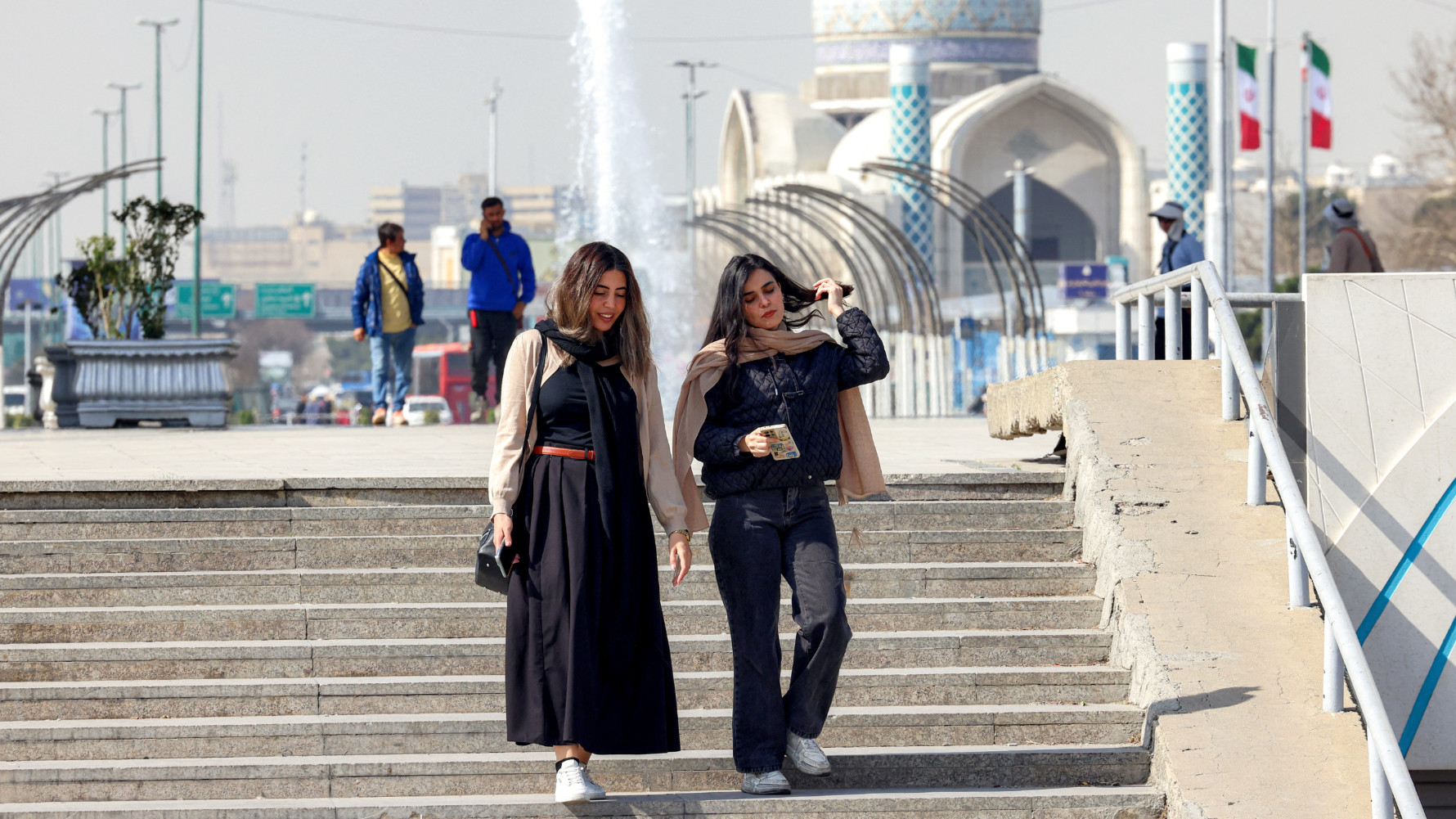
In the heart of Tehran’s winter, amidst a nationwide internet blackout that severed digital connections for millions, an intimate gathering organized through the Hamneshin app (‘companion’ in Persian) revealed profound shifts in Iranian social dynamics. This encounter unfolded against a backdrop of simmering tensions—from December 2025 unrest and violent crackdowns to threatened airstrikes over Tehran’s nuclear program and lingering trauma from a recent 12-day war with Israel.
The Hamneshin platform, resembling Western supper clubs in structure, has evolved into something far more significant in contemporary Iran. Participants register through the app, pay fees, and join age-grouped gatherings ranging from dinners to bowling nights. Yet these meetings transcend leisure, representing a collective response to deepening structural isolation driven by economic strain, migration, rising divorce rates, and shrinking spaces for mixed-gender interaction.
At an upscale Tehran café, socioeconomic disparities manifested visibly—from luxury cars waiting outside to carefully styled outfits contrasting with rapidly fluctuating market prices. The participants, predominantly educated professionals including engineers, managers, and entrepreneurs, revealed complex layers of loneliness despite outward success. Javad, a confident entrepreneur, and Roya, a language teacher battling depression, both sought companionship unavailable in their daily lives.
A poignant silence fell when recent violence was mentioned—not indicating indifference but collective exhaustion. The gathering consciously created temporary distance from external turmoil. For Vahid, who left energy sector stability for cryptocurrency trading, and Aida, a divorced mother watching friendships thin as people ‘disappear into work or leave the country,’ these connections offered rare emotional respite.
While not all gatherings forge lasting bonds—many WhatsApp groups go inactive—some participants developed offline friendships that provided stability during internet blackouts. The platform represents broader social initiatives across Iran, including pottery workshops and discussion circles, that create structured environments for connection despite requiring disposable income that excludes many.
These digital-facilitated gatherings cannot solve structural pressures but provide symbolic resistance against fading friendships, shrinking social circles, and growing public hesitation. As one 43-year-old attendee noted: ‘It sounds simple, but you leave feeling lighter. You remember that you can still connect.’ In a society navigating multiple crises, such temporary interruptions of isolation carry profound significance.