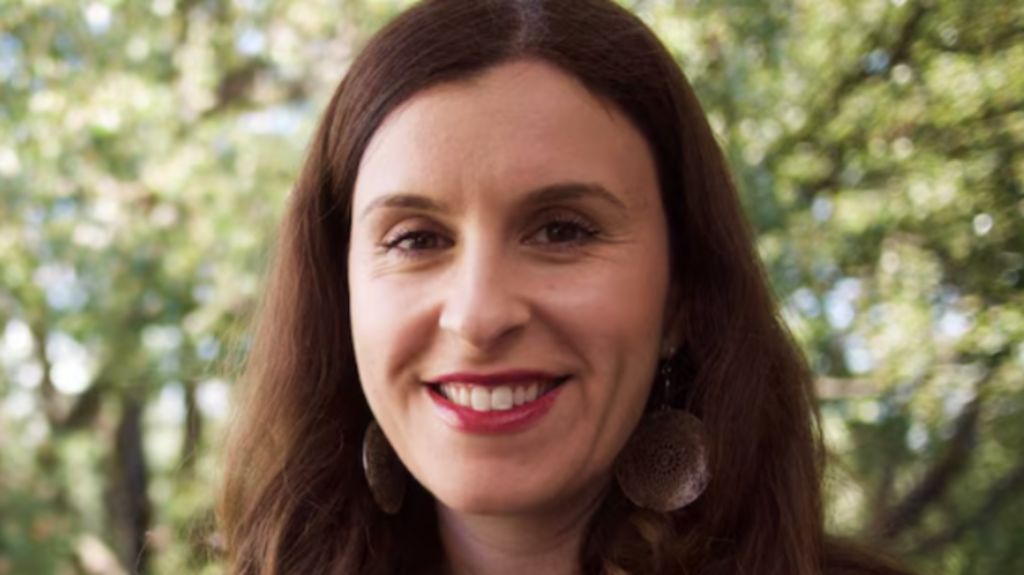
Australia’s prestigious Adelaide Festival has descended into chaos following its controversial decision to disinvite prominent Palestinian-Australian author Dr. Randa Abdel-Fattah from its Writers’ Week program, triggering what may become the largest literary boycott in Australian cultural history.
The festival board justified its action by citing ‘cultural sensitivities’ following December’s Bondi Beach shooting, where gunmen allegedly inspired by Islamic State killed 15 people at a Jewish festival. While explicitly denying any connection between Abdel-Fattah and the tragedy, board members argued her inclusion would be inappropriate given her previous statements regarding Israel.
The author, a novelist, lawyer, and academic, condemned the decision as ‘a blatant and shameless act of anti-Palestinian racism and censorship,’ rejecting what she termed the ‘despicable’ attempt to associate her with the Bondi attack.
The repercussions were immediate and severe. Within days, 180 writers and participants withdrew from the festival in protest, including literary luminaries such as former New Zealand Prime Minister Jacinda Ardern, British author Zadie Smith, US-Russian journalist Masha Gessen, and acclaimed Australian writers Helen Garner and Kathy Lette. The mass exodus represents approximately two-thirds of the scheduled participants.
Organizational turmoil followed as four of the eight board members, including the chair, resigned without public explanation. Louise Adler, the Jewish daughter of Holocaust survivors and director of Writers’ Week, also stepped down, declaring she ‘cannot be party to silencing writers’ and warning that the exclusion ‘weakens freedom of speech and is the harbinger of a less free nation.’
The controversy has exposed deep divisions within Australia’s cultural landscape. Norman Schueler of the Jewish Community Council for South Australia acknowledged his organization had lobbied for Abdel-Fattah’s removal, calling it ‘a very wise move’ that would ‘improve the cohesiveness of the festival.’ South Australian Premier Peter Malinauskus publicly endorsed the decision while denying direct involvement.
Abdel-Fattah’s supporters argue the incident reflects broader attempts to suppress Palestinian voices in Western cultural institutions. ‘The only Palestinians they will tolerate are silent and invisible ones,’ the author stated, accusing Australian arts organizations of displaying ‘utter contempt and inhumanity towards Palestinians.’
The controversy has historical parallels. Critics, including Premier Malinauskus, have accused Abdel-Fattah of hypocrisy, noting she previously advocated for the exclusion of New York Times journalist Thomas Friedman from the 2024 festival over controversial columns. Abdel-Fattah rejected these allegations, maintaining Friedman’s writing employed dehumanizing language while her exclusion was based solely on identity and political viewpoint.
With potential legal action looming and the festival’s future in jeopardy, the incident has sparked nationwide debate about free speech, cultural censorship, and the boundaries of acceptable discourse in Australia’s artistic communities. As Australian-British novelist Kathy Lette argued in her withdrawal statement, ‘As authoritarianism rears its hideous head around the world, we need to defend these havens of free speech.’