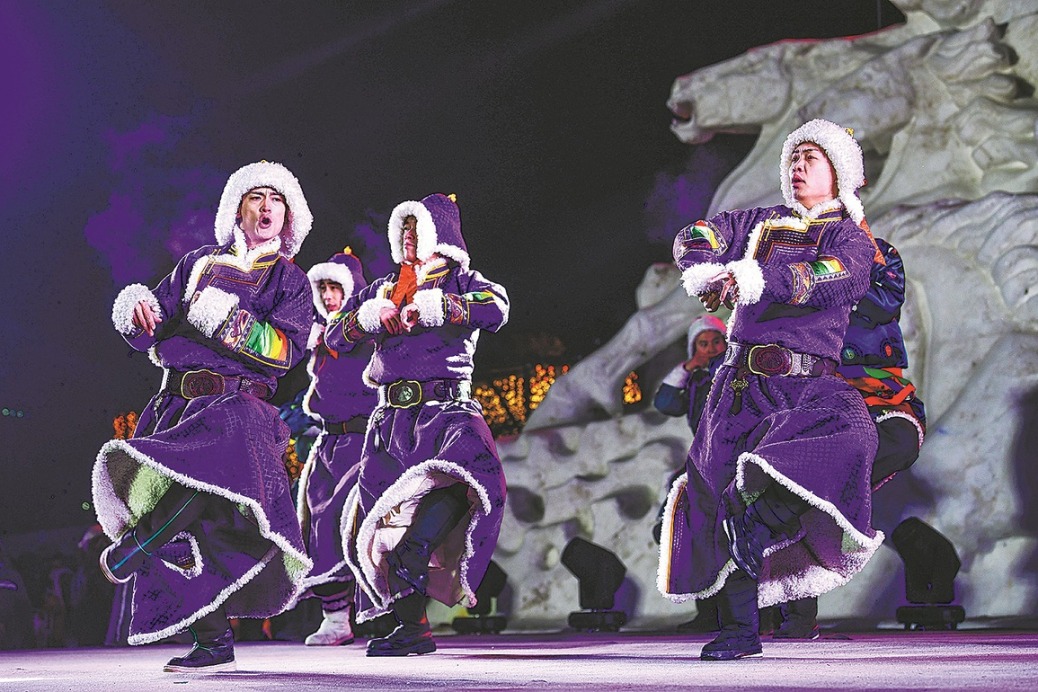
The frozen grasslands of Inner Mongolia Autonomous Region have undergone a remarkable transformation, with traditional summer equestrian activities now creating a vibrant winter tourism economy. Across Xiliin Gol League and Ulaanqab city, the thunder of galloping hooves echoes across snow-covered plains as Mongolian herders have successfully adapted their cultural traditions to the harsh winter months.
The recently concluded third Winter Mongolian Horse Super League final, held alongside the Ice and Snow Naadam Festival, represents a strategic reinvention of Mongolian cultural practices. These winter events, running from January through April, have effectively eliminated the region’s traditional tourism offseason, bringing unprecedented economic activity to previously dormant winter landscapes.
At the heart of this transformation lies a sophisticated breeding program that has developed the ‘new Xiliin Gol horse’ – a crossbreed combining the cold-resistant genetics of local Mongolian mares with the speed and power of imported British thoroughbreds. This innovative breeding approach allows the horses to withstand temperatures of -30°C without supplemental feeding while achieving competitive racing performance.
The economic impact has been substantial. Local herder Buhe reported that his yurts are now fully booked throughout winter, with visitors flocking to experience traditional Mongolian culture, including camel caravans, horse racing, wrestling, and sampling local delicacies like fermented mare’s milk.
Supported by significant policy initiatives, including 12 national-level horse protection zones and seven conservation farms, Inner Mongolia’s equine industry has undergone a comprehensive modernization. The region, home to approximately 800,000 horses, has seen imports of over 2,000 high-quality international breeds while simultaneously conducting genetic research to identify and preserve key genes related to cold tolerance and endurance.
According to Erhenbatu, farm manager at Inner Mongolia Grassland Thoroughbred Horse Breeding Co., premium ‘new Xiliin Gol horses’ now command prices up to 80,000 yuan ($11,530), with record sales reaching 220,000 yuan for exceptional specimens.
This cultural and economic renaissance represents a successful model of traditional practices adapting to modern tourism demands while preserving genetic heritage and creating sustainable winter economies in previously marginalized regions.