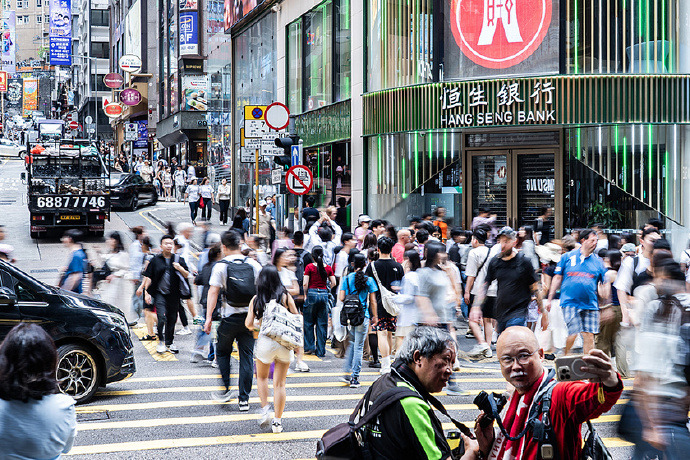
Hong Kong’s demographic landscape showed measured growth in 2025, with official statistics revealing a population increase of 10,200 residents. According to provisional data released by the Census and Statistics Department of the Hong Kong Special Administrative Region (HKSAR) government, the territory’s total population reached 7,510,800 by year’s end, representing a 0.1 percent uptick from the previous year.
The demographic shift emerged from contrasting trends: a substantial net inflow of 29,100 residents through various migration channels offset a natural population decrease of 18,900. The natural decline resulted from 31,100 births being surpassed by 50,000 deaths throughout the year, continuing a pattern of negative natural growth.
Detailed breakdowns show that 7,242,400 individuals were classified as usual residents, while 268,400 were categorized as mobile residents—a distinction reflecting Hong Kong’s status as a dynamic international hub.
A government spokesperson attributed the positive demographic trajectory to strategic initiatives, noting that “various talent attraction and labor importation schemes have helped offset the impact of the natural population decrease.” These programs appear to have effectively counterbalanced the territory’s aging population trends and low birth rates, maintaining Hong Kong’s position as a competitive global center.
The data provides crucial insights for urban planning and resource allocation, suggesting that targeted immigration policies are yielding measurable results in sustaining Hong Kong’s workforce and economic vitality amid broader demographic challenges.