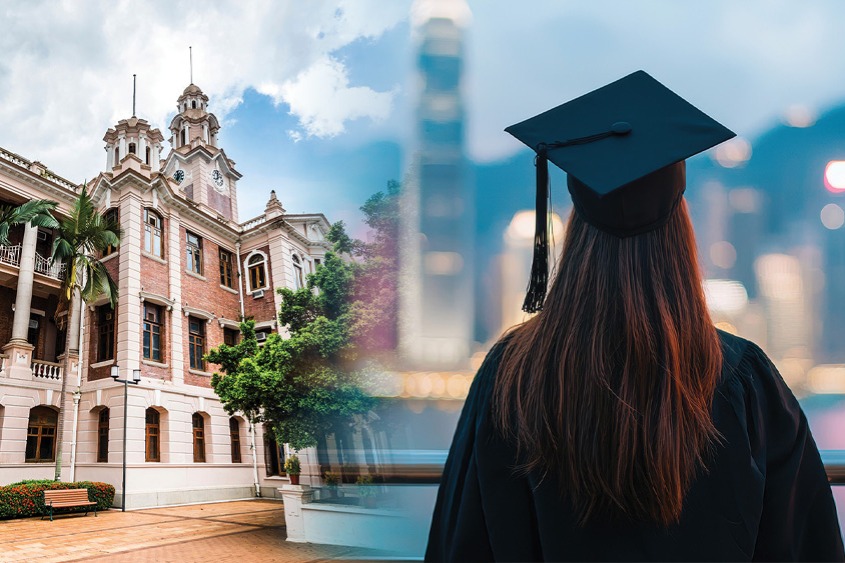
Hong Kong is undergoing a transformative educational overhaul aimed at positioning itself as a global hub for innovation and technology. Spearheaded by Chief Executive John Lee Ka-chiu, the reforms focus on bridging the talent gap by increasing the intake of international students, enhancing academia-industry collaboration, and addressing critical infrastructure needs such as student housing. The initiative aligns with the nation’s 14th Five-Year Plan, emphasizing the cultivation of a diverse, market-ready talent pool to drive strategic sectors like artificial intelligence, new energy technology, and pharmaceuticals. Projections from the Labour and Welfare Bureau highlight the urgency of these reforms, with demand for inno-tech professionals expected to surge to over 100,000 by 2028. Key measures include raising the admission ceiling for nonlocal students to 50% of funded local student places and expanding research postgraduate programs. Additionally, the government is incentivizing the conversion of underused commercial buildings into student dormitories and designating universities of applied sciences to foster vocational learning. The reforms also promote cross-boundary collaboration within the Guangdong-Hong Kong-Macao Greater Bay Area, facilitating seamless employment and study opportunities. A HK$40 million grant will bolster international marketing efforts under the theme ‘Hong Kong: Your World-class Campus,’ showcasing the city’s academic excellence. Tech leaders emphasize the need for a supportive entrepreneurial ecosystem, including safety nets for failed ventures, improved investment platforms, and streamlined cross-boundary channels. These comprehensive measures aim to transform Hong Kong into a thriving innovation powerhouse, leveraging its unique position to commercialize cutting-edge technologies and attract global talent.