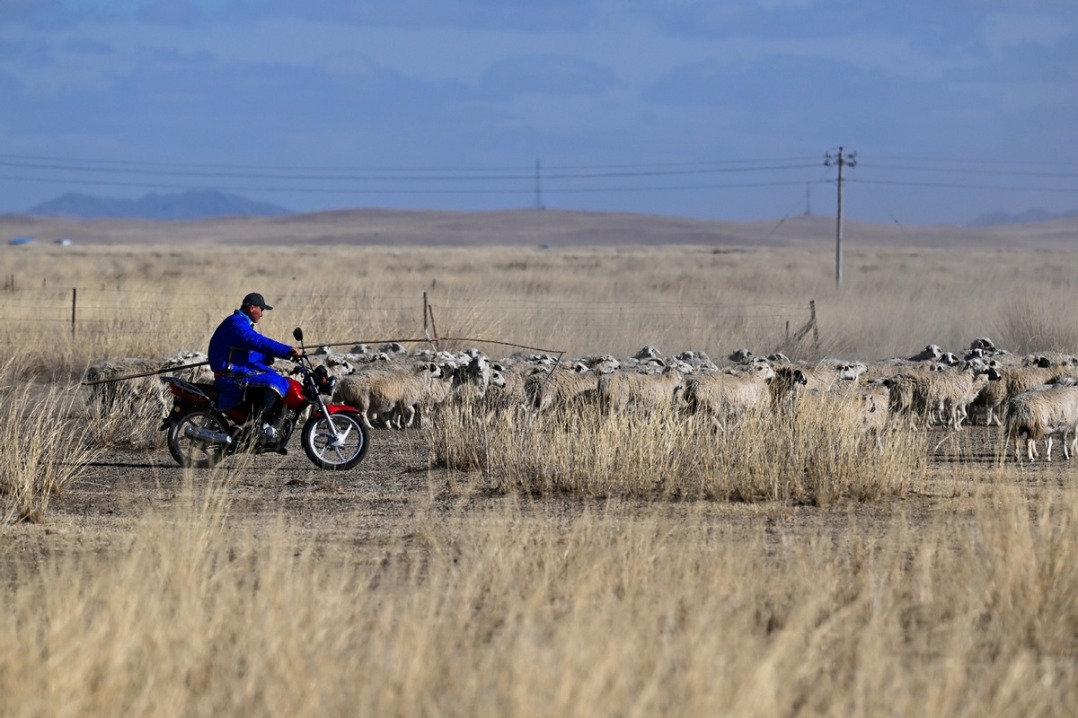
Across the vast grasslands of Xiliin Gol League in China’s Inner Mongolia Autonomous Region, herdsmen are actively engaged in the critical spring lambing season. This annual period of heightened agricultural activity marks a vital phase in the region’s traditional livestock husbandry practices.
The current lamb breeding operations coincide with optimal seasonal conditions for animal births in this northern territory. Local pastoral communities are dedicating extended hours to monitoring pregnant ewes, assisting with difficult deliveries when necessary, and ensuring newborn lambs receive proper nutrition and protection from the elements.
Photographic documentation from East Ujimqin Banner reveals healthy lambs thriving under the care of experienced herdspeople. The scenes represent both the continuation of centuries-old pastoral traditions and the modern economic foundation for many rural families in the region.
This seasonal cycle demonstrates the ongoing significance of animal husbandry to Inner Mongolia’s cultural identity and economic landscape. The successful breeding season contributes to the sustainability of grassland ecosystems while supporting livelihoods connected to wool, meat, and dairy production.
The coordinated efforts during this period reflect the deep understanding local herdsmen maintain regarding animal behavior, seasonal patterns, and sustainable grazing practices developed over generations.