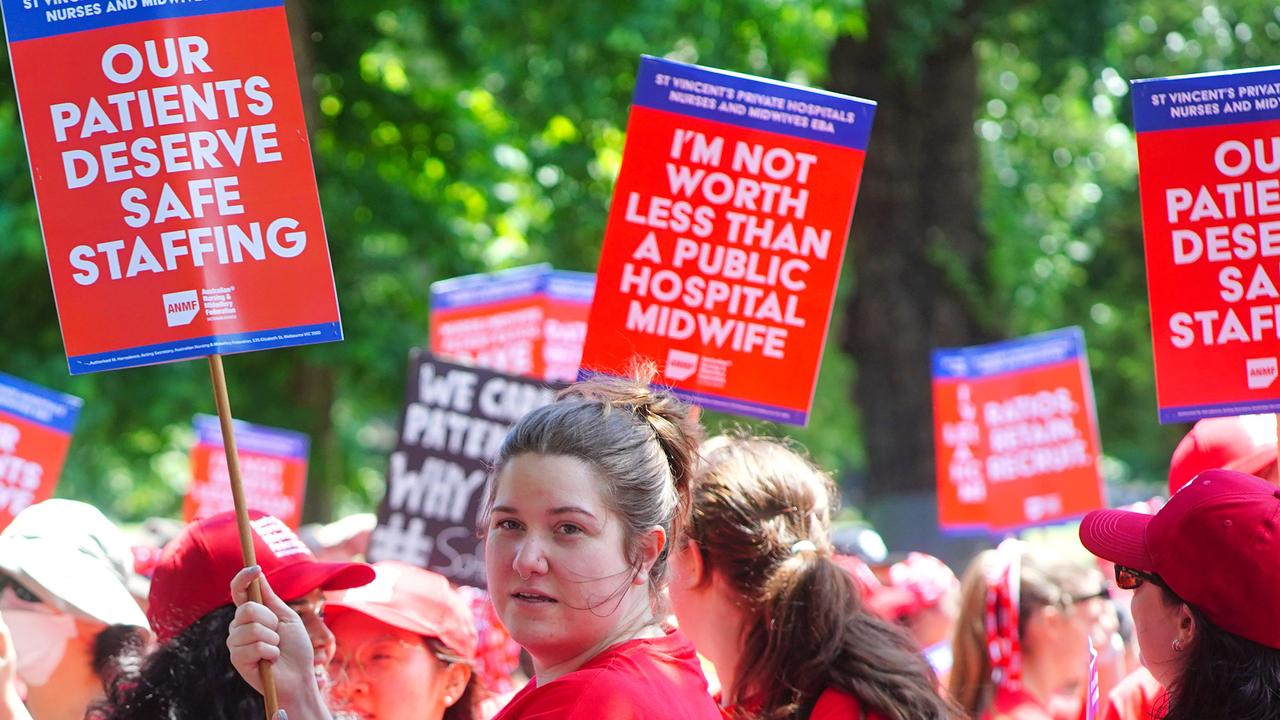
Victoria’s healthcare system is bracing for significant disruption as healthcare workers initiate escalated industrial action starting January 14, resulting in the cancellation of thousands of elective surgeries and reduced hospital capacity across the state.
The Health Workers Union has announced protected industrial measures that will continue through February 1, specifically targeting Category 2 and 3 elective procedures while maintaining emergency and critical services. The action represents a substantial escalation in the ongoing pay dispute between healthcare workers and the Allan government.
Beyond surgical cancellations, the industrial action will implement sweeping operational changes including the closure of one in every four hospital beds, cessation of non-clinical cleaning services in areas such as offices and cafeterias, and suspension of new staff training and onboarding programs. The union has emphasized that these measures are carefully designed to minimize impact on vulnerable patients, with specific exemptions for children and pregnant mothers.
Jake McGuinness, Lead Organiser of the Health Workers Union, characterized the action as “an unfortunate necessity” resulting from the government’s “consistent and callous disregard for essential workers’ needs.” The union has been seeking a six percent wage increase and addressing what they describe as unsustainable workloads and chronic staff shortages that have plagued the healthcare system.
The dispute stems from the rejection of a government pay offer in December, with union officials repeatedly attempting to negotiate with the government to avoid escalation. According to union statements, Premier Jacinta Allan’s administration has failed to provide healthcare workers with a genuine pay rise that reflects their essential role and current economic pressures.
Healthcare professionals have expressed their reluctance to take industrial action, emphasizing their primary desire to care for patients. However, workers maintain they cannot relent until a livable wage agreement is established that properly compensates them for their critical services during challenging economic times.