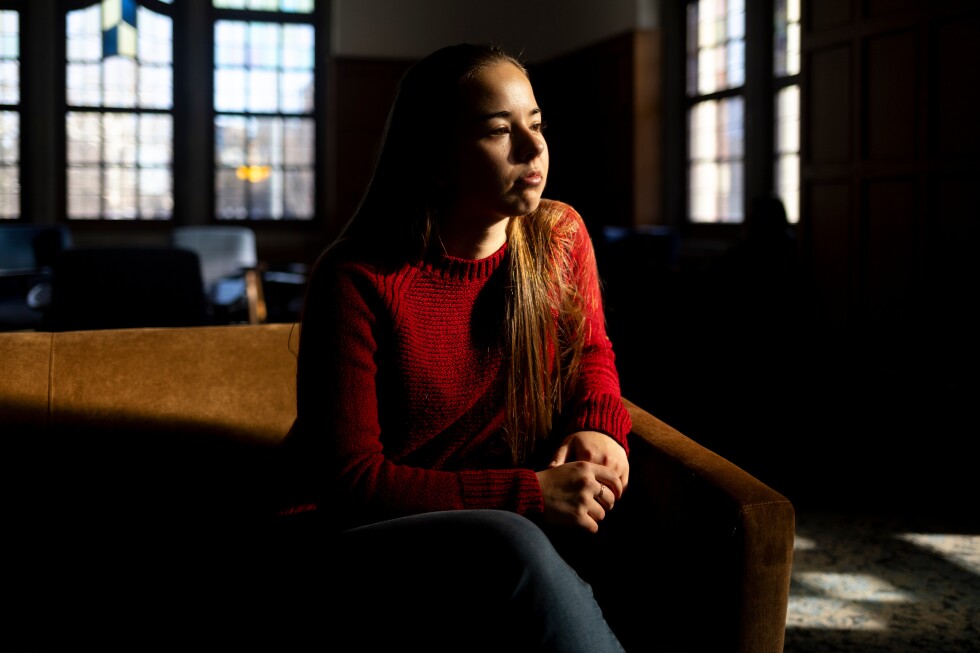
Patrick Thaw’s academic journey at the University of Michigan came to an abrupt halt when presidential policy left him stranded halfway across the globe. What began as a routine summer internship in Singapore transformed into an educational limbo after former President Donald Trump’s travel ban targeted citizens from 12 nations, including Thaw’s native Myanmar.
The neuroscience major found himself attending classes via FaceTime while his college friends gathered in Ann Arbor, a cruel irony for someone who had embraced American campus life with exceptional enthusiasm. Thaw had immersed himself in university activities, from biology fraternity events to Alzheimer’s research, becoming known among faculty as an intellectually curious student unafraid of academic risks.
His situation reflects broader challenges facing international students during the Trump administration’s first year back in office. Visa appointment pauses and enhanced vetting procedures contributed to declining foreign enrollment numbers, particularly affecting students like Thaw who were already deep into their American educational journeys.
University administrators nationwide have responded with creative solutions, reviving pandemic-era remote learning options and offering placements at international partner institutions. For Thaw, Michigan officials suggested an Australian study abroad program as a temporary measure, though visa complications ultimately made this option unviable.
The educational disruption represents more than mere inconvenience for Thaw, who viewed American higher education as an escape route from Myanmar’s civil unrest. His childhood memories include taking shifts with his mother to watch for Molotov cocktails igniting bamboo in their front yard and missing algebra exams due to bomb explosions.
Facing indefinite separation from his academic community, Thaw made the difficult decision to transfer to universities outside the United States. He now holds acceptance letters from institutions in Australia and Canada, with hopes of attending the University of Toronto to maintain proximity to his Michigan friendships.
His story underscores how geopolitical decisions create ripple effects through academic communities, separating promising students from their chosen educational paths and forcing universities to develop increasingly flexible international policies.