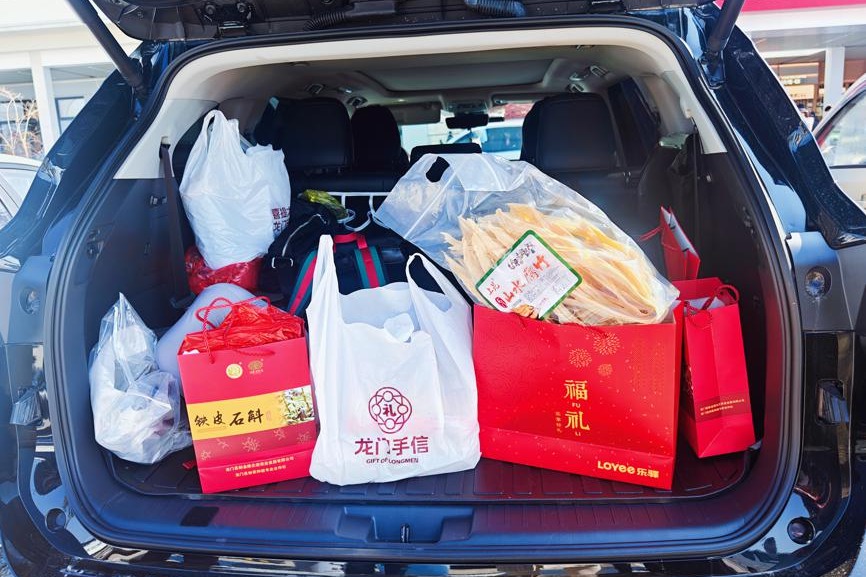
Service areas along Guangdong’s expressways have unexpectedly emerged as bustling commercial hubs during the Spring Festival travel period, transforming routine rest stops into vibrant shopping destinations. The phenomenon represents a novel dimension of China’s annual mass migration, where travelers are seizing the opportunity to purchase local specialties while journeying home for Lunar New Year celebrations.
During the first day of the Spring Festival travel rush alone, two service areas on the Jiangmen-Zhaoqing Expressway reported substantial sales of distinctive regional products. Among the most sought-after items were intricately crafted inkstones, succulent sugar oranges, premium tribute oranges, and specially prepared chickens – all emblematic of Guangdong’s rich cultural and culinary heritage.
This commercial transformation reflects sophisticated logistical planning by service area operators who have capitalized on the predictable surge in traveler volume. By curating selections of authentic local specialties, these roadside facilities have effectively become mobile marketplaces that connect provincial products with consumers from across the nation.
The development also illustrates evolving consumer behavior during traditional holidays, where travelers increasingly value convenience and authenticity. Rather than making separate shopping trips, millions are now combining their travel necessities with gift purchasing, effectively optimizing their limited time before family reunions.
Transportation analysts note that this trend represents an innovative commercialization of infrastructure that typically serves purely functional purposes. The service areas’ strategic positioning along major travel corridors has enabled them to capture a captive market of homebound travelers seeking meaningful gifts and culinary specialties from the region they’re passing through.