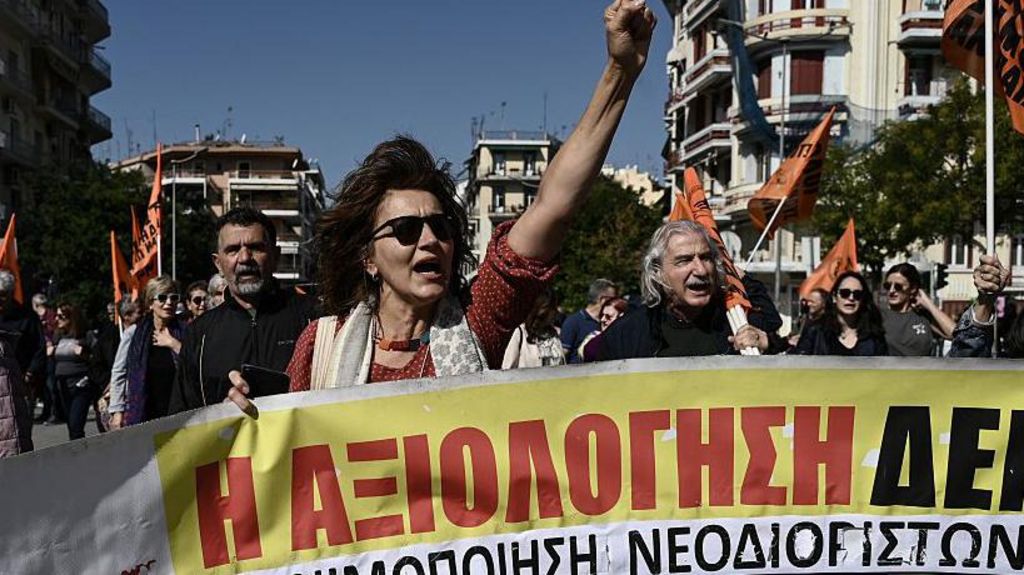
Greece’s parliament has passed a contentious labor reform bill permitting 13-hour workdays, sparking widespread protests and strikes across the nation. The government argues the legislation modernizes labor laws, aligning them with contemporary market demands. However, opposition parties, including the left-wing Syriza, have condemned the bill as a ‘legislative monstrosity’ that undermines workers’ rights. The new law caps annual overtime at 150 hours and maintains the standard 40-hour workweek. It also stipulates that extended workdays are optional, limited to the private sector, and applicable for no more than 37 days annually. The ruling center-right New Democracy party supported the bill, while the center-left Pasok party opposed it, and Syriza abstained. Labor Minister Niki Kerameus defended the reforms, stating they comply with EU working-time rules, which allow flexibility over a 12-month period. The law permits workers to opt for additional hours with a 40% pay increase and protects them from dismissal for refusing overtime. Critics, including public-sector union ADEDY, argue the reforms erode the eight-hour workday, disrupt family life, and legitimize worker exploitation. Greece, still recovering from its decade-long debt crisis, has among the lowest wages and living standards in the EU. The country recently introduced a six-day workweek for certain industries to stimulate economic growth. Despite these measures, Greek employees already work longer hours than most Europeans, earning less and struggling financially. Unemployment remains higher than the EU average, highlighting ongoing economic challenges.