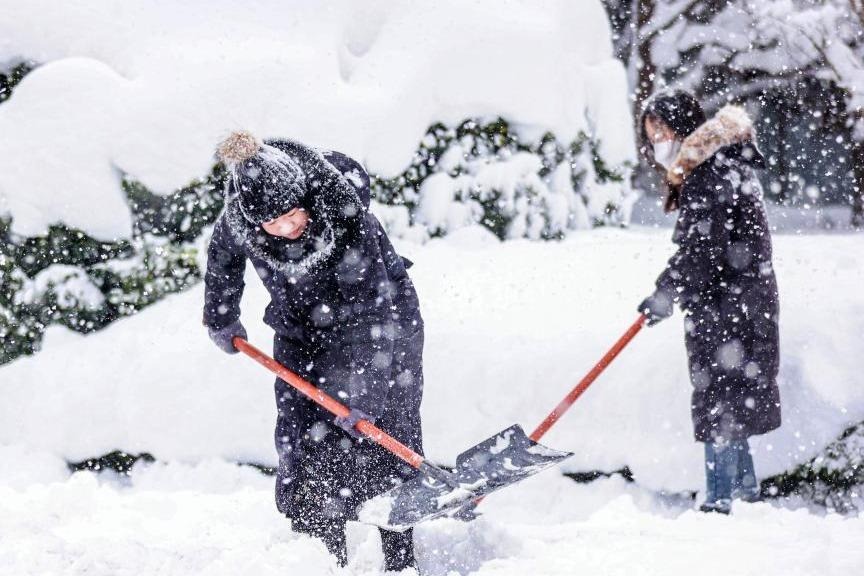
A groundbreaking study conducted by researchers from the Xinjiang Institute of Ecology and Geography, part of the Chinese Academy of Sciences, has revealed profound changes in extreme rainfall and snowfall patterns across the Northern Hemisphere over the past seven decades. Published in the journal *Advances in Climate Change Research*, the study highlights how global warming has altered the distribution of both liquid and solid precipitation, significantly impacting their intensity and frequency. Using ERA5-Land reanalysis data from 1950 to 2022, the team analyzed long-term trends, temperature sensitivity, and underlying mechanisms driving these extreme weather events. The findings indicate that extreme rainfall has intensified at a rate of 0.269 mm per year, nearly nine times faster than the increase in extreme snowfall, which stands at 0.029 mm per year. The study underscores that rising temperatures are primarily responsible for the surge in extreme rainfall, while their impact on snowfall remains relatively modest. Li Yupeng, the study’s lead author, emphasized the critical role of extreme precipitation in risk management, urging mid-latitude regions to focus on flood mitigation and high-latitude and alpine areas to address snow-related hazards. The research provides valuable insights for understanding global precipitation patterns and supports the development of region-specific climate adaptation and disaster prevention strategies.
Global warming reshapes extreme rainfall, snowfall across Northern Hemisphere: study