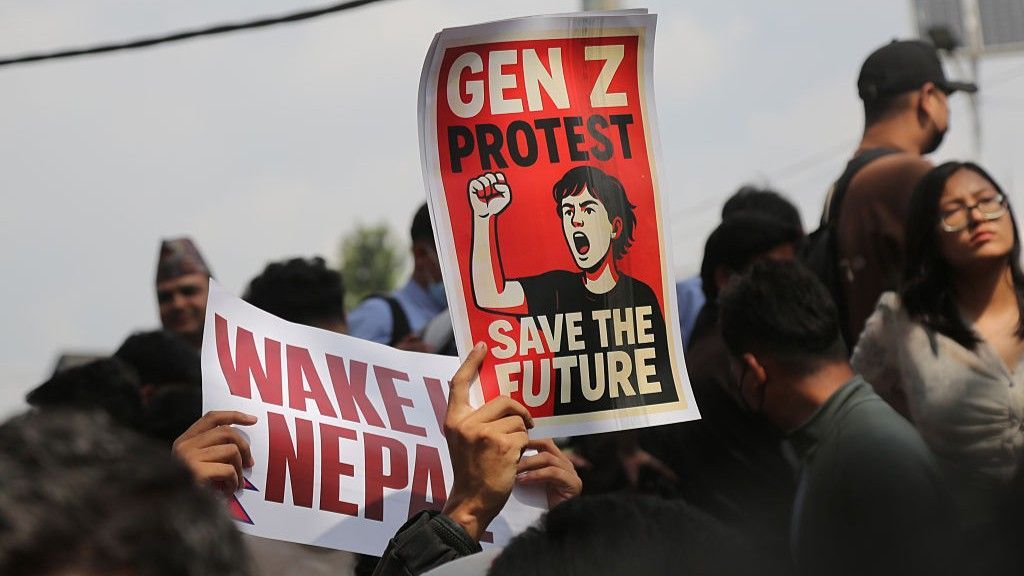
India’s Generation Z, comprising over 370 million individuals under 25, represents nearly a quarter of the nation’s population. Armed with smartphones and social media, they are hyper-connected and acutely aware of political corruption, inequality, and economic pressures. However, their activism remains subdued compared to their peers in Asia and Africa, where youth-led movements have toppled governments and forced significant political changes. In Nepal, young protesters dismantled a government in just 48 hours, while in Madagascar and Bangladesh, youth uprisings led to regime changes. In India, despite sporadic protests—such as those in Ladakh demanding statehood—a unified national movement remains elusive. The fear of being labeled ‘anti-national,’ regional and caste divides, and economic anxieties deter widespread mobilization. Experts argue that India’s Gen Z is too fragmented by linguistic, regional, and caste identities to coalesce into a singular force. While urban youth rally for job opportunities and infrastructure, Dalit youth focus on caste discrimination, and Tamil-speaking youth advocate for regional rights. The government, recognizing the potential of this demographic, claims to prioritize youth policies. Yet, economic pressures and waning trust in traditional politics persist. Only 38% of 18-year-olds registered to vote in the 2024 elections, reflecting a broader disengagement. Despite their muted dissent, India’s Gen Z remains watchful, their aspirations for change unmistakably clear.