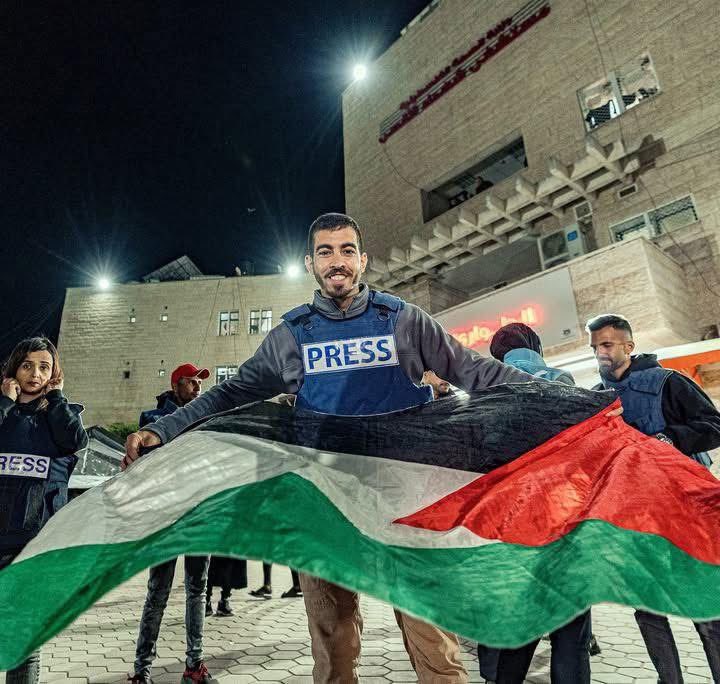
The tragic death of Palestinian journalist and activist Saleh al-Jafarawi has sparked an outpouring of grief and tributes across social media. Jafarawi, 28, was fatally shot multiple times on Sunday while covering clashes between an Israel-backed militia and Hamas fighters in Gaza City. His killing occurred just days after a ceasefire agreement was announced between Israel and Hamas, casting a shadow over hopes for peace in the region.
Al Jazeera reported that the armed militia sought to exploit the security vacuum following the ceasefire announcement. The clashes also claimed the lives of several displaced Palestinians, further escalating tensions in the besieged enclave.
Jafarawi, known for his courageous reporting and hopeful demeanor, had become a symbol of Palestinian resilience. Over the past two years, he documented the ongoing conflict in Gaza, earning widespread admiration for his dedication to truth and justice. Social media users and fellow journalists mourned his loss, with many highlighting his unwavering commitment to his people and his land.
‘He loved his people, he loved his religion, he loved his land. He covered the genocide for two years as the powers of the world tried to silence his voice,’ wrote a prominent pro-Palestine account on Instagram. ‘His voice will live on, even after the occupation ends.’
Jafarawi’s death has also reignited discussions about the dangers faced by journalists in Gaza. According to Brown University’s Watson Institute, Israel has killed more journalists in Gaza than in any other modern conflict, surpassing even the toll of major wars like World War II and the Vietnam War.
The tragedy is compounded by the fact that Jafarawi’s brother, Naji, was among the Palestinian prisoners released as part of the ceasefire agreement. Naji will now return home to bury his brother instead of celebrating their reunion.
Jafarawi’s legacy as a voice of truth and courage continues to inspire, even as the world mourns his untimely death. His work and sacrifice serve as a stark reminder of the human cost of conflict and the enduring struggle for justice in Palestine.