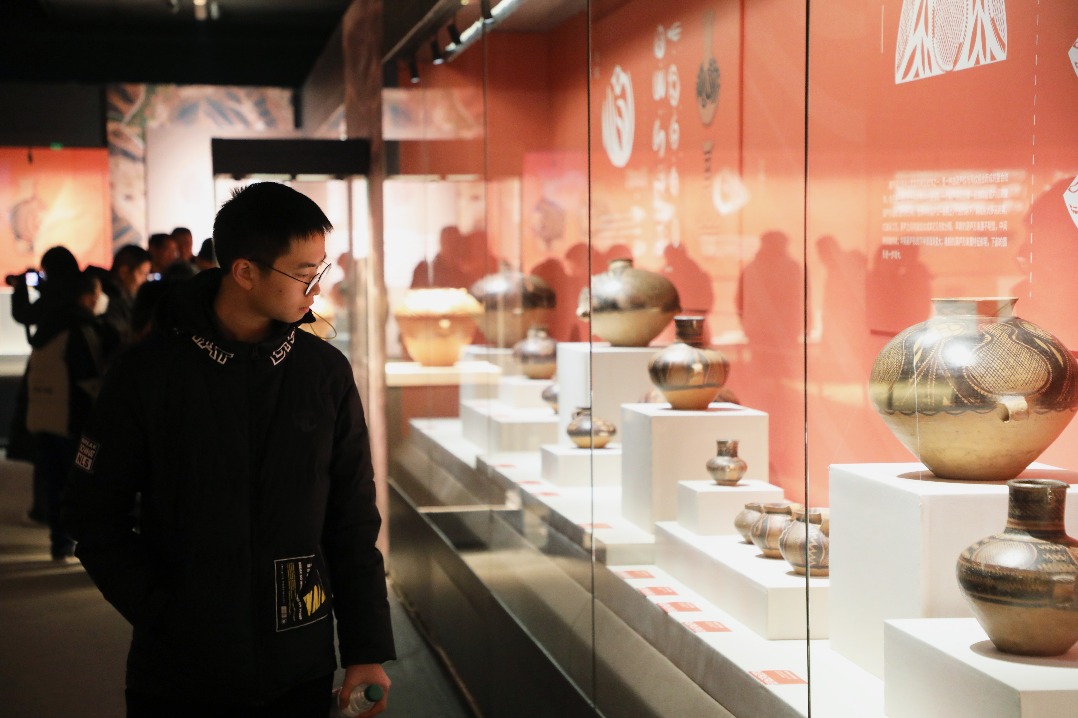
Northwest China’s Gansu Province has emerged as the nation’s leader in museum accessibility per capita, marking a significant milestone in regional cultural development. Governor Ren Zhenhe announced this achievement during his government work report presentation at the fourth session of the 14th Gansu Provincial People’s Congress on Tuesday.
According to data from the Gansu Cultural Relics Bureau, the province now hosts 263 registered museums following the recent addition of six new institutions. This translates to one museum for every 93,200 residents, representing the highest density of museum access among all Chinese provinces.
The cultural sector demonstrated remarkable vitality throughout the past year, with more than 700 exhibitions and approximately 20,000 educational programs conducted both online and offline. These initiatives collectively attracted over 33 million visits, reflecting growing public engagement with cultural offerings.
Gansu’s innovative approach to cultural heritage has yielded substantial economic benefits. Drawing inspiration from iconic artifacts such as the Dunhuang flying apsaras and the Bronze Galloping Horse from the Gansu Provincial Museum, developers have created more than 4,000 cultural and creative products. These items achieved annual sales exceeding 130 million yuan (approximately $18 million), demonstrating successful commercialization of cultural assets.
The cultural achievements coincide with broader economic progress. During the 14th Five-Year Plan period (2021-25), Gansu’s GDP reached 1.37 trillion yuan, representing a 33.6 percent increase from the previous planning period. Since 2022, the province’s economic growth has consistently outperformed the national average for 16 consecutive quarters. In 2025 alone, Gansu’s GDP grew by 5.8 percent, ranking second nationwide, while per capita disposable income increased by 6.1 percent, the third-fastest growth rate in the country.