In the Philippines, chronic flooding has become a grim reality for millions, exacerbated by allegations of widespread corruption in flood control projects. Crissa Tolentino, a 36-year-old public school teacher, navigates her daily life in Apalit, a low-lying town near Manila, by paddling through inundated streets. For her, this is not just a commute but a lifeline to her workplace and the clinic where she receives cancer treatment. However, this year, her frustration has reached a boiling point due to an unusually fierce monsoon that has disrupted lives and exposed deep-seated corruption.
Ms. Tolentino’s anger is echoed across the nation, where citizens are questioning the government’s inability to manage floods despite billions of pesos allocated for infrastructure. Allegations of ‘ghost projects’—construction contracts awarded for non-existent initiatives—have fueled public outrage. President Ferdinand ‘Bongbong’ Marcos Jr. has acknowledged the issue, even discovering a flood control dam that was supposed to exist but didn’t. The economic planning minister revealed that 70% of public funds for flood control had been siphoned off by corruption.
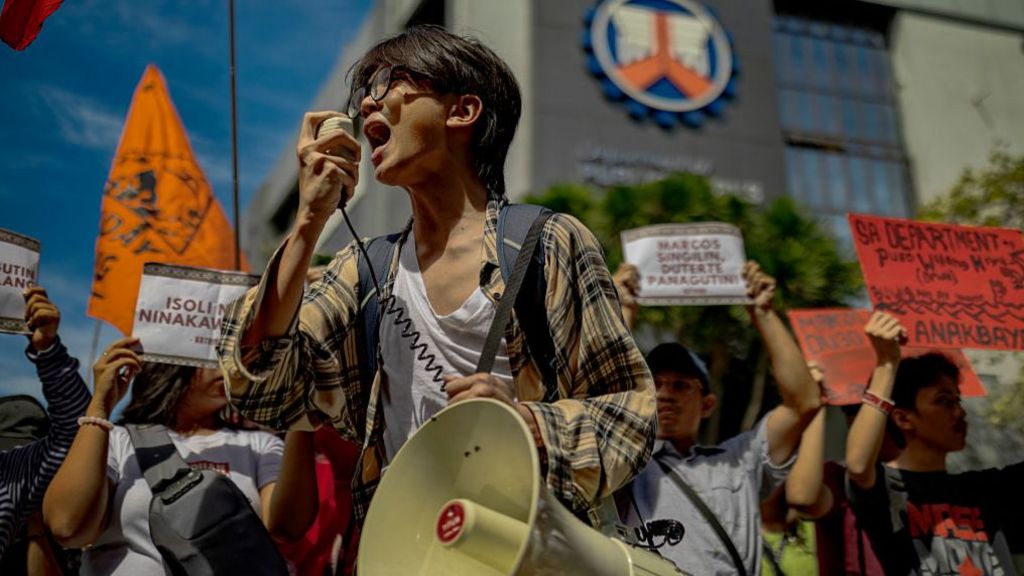
The scandal has led to high-profile resignations, including the House Speaker and the Senate leader, both implicated in corruption allegations. Social media has become a battleground for public anger, with Filipinos using AI-generated videos and hashtags like ‘nepo babies’ to criticize the extravagant lifestyles of politicians’ children. A planned anti-corruption protest on September 21, coinciding with the anniversary of martial law, underscores the depth of public discontent.
President Marcos Jr. has announced an inquiry to ‘unmask the swindlers,’ but skepticism remains. The focus has shifted to a family-owned construction firm, the Discayas, whose lavish lifestyle has drawn widespread condemnation. Their admission of paying kickbacks to lawmakers has further inflamed tensions. Meanwhile, Filipinos like Rhens Rafael Galang, who has turned his flood-related struggles into a thriving business, cling to hope for honest, long-term flood control solutions.
As the nation grapples with the dual crises of extreme weather and corruption, the question remains: will the government’s promises translate into tangible change, or will public fury continue to grow?