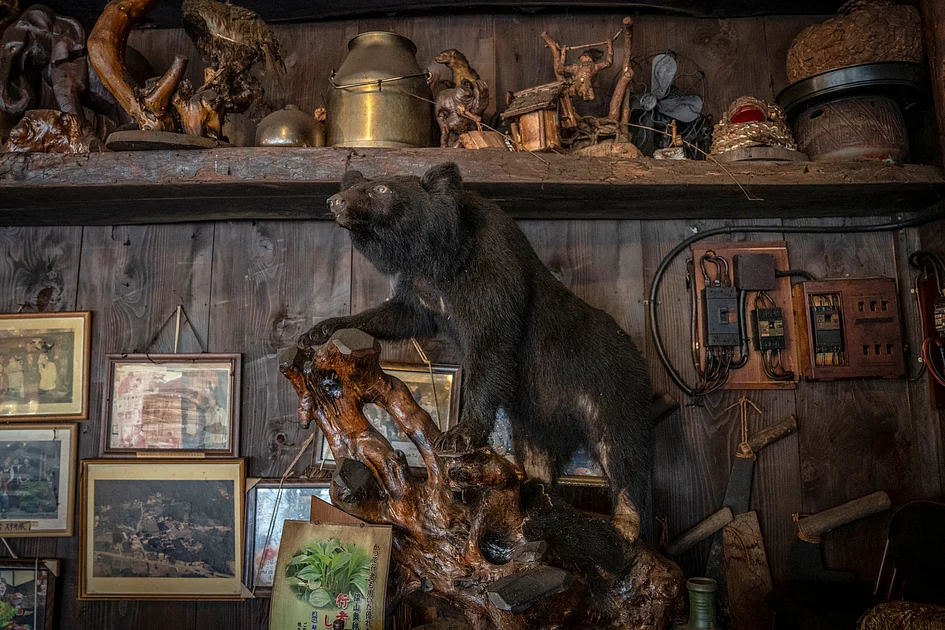
Japan is confronting an unprecedented bear crisis through an unexpected culinary transformation, as record-breaking bear attacks drive both ecological concerns and gastronomic innovation. With 13 fatal maulings recorded this year—doubling previous records—authorities have implemented aggressive culling measures while simultaneously promoting bear meat consumption as a sustainable solution.
The phenomenon represents a complex intersection of wildlife management and rural economic development. Scientists attribute the surge in bear-human conflicts to multiple factors: rapidly expanding bear populations, declining rural human demographics, and poor acorn harvests that drive bears into human settlements seeking sustenance.
In response, the government has deployed military personnel for trapping operations and even tasked riot police with shooting bears. The scale of intervention is substantial—over 9,100 bears were culled in the first half of this fiscal year, already surpassing the total for all of 2023-2024.
This ecological challenge has sparked a remarkable culinary movement. Restaurants across northern Japan report unprecedented demand for bear meat dishes. Koji Suzuki, a 71-year-old restaurateur and hunter in Chichibu, notes, ‘With increasing bear-related news coverage, customer interest in consuming the meat has dramatically increased.’ His establishment serves bear prepared on stone slates or in traditional hot pots alongside vegetables.
The government actively supports this trend, allocating $118 million in subsidies for bear population control and promoting sustainable consumption. ‘Transforming nuisance wildlife into positive resources is crucial,’ stated agriculture ministry officials earlier this month.
From fine dining establishments in Sapporo serving bear consommé to village-owned restaurants in Aomori prefecture, bear meat has become an unexpected tourism draw. Chef Kiyoshi Fujimoto incorporates locally sourced brown bear into French cuisine, while Katsuhiko Kakuta’s restaurant developed its own processing facility to supply nearby hotels.
Despite growing popularity, logistical challenges remain. A shortage of government-approved processing facilities means much culled bear meat still goes to waste. Only 826 game factories exist nationwide, with limited capacity in the most affected northern regions.
The situation represents a pragmatic approach to wildlife management—addressing safety concerns while creating economic opportunities from what would otherwise be buried as waste. As restaurant owner Kakuta observes, ‘Bear meat has become a tourism resource for us, utilizing what would otherwise be discarded.’