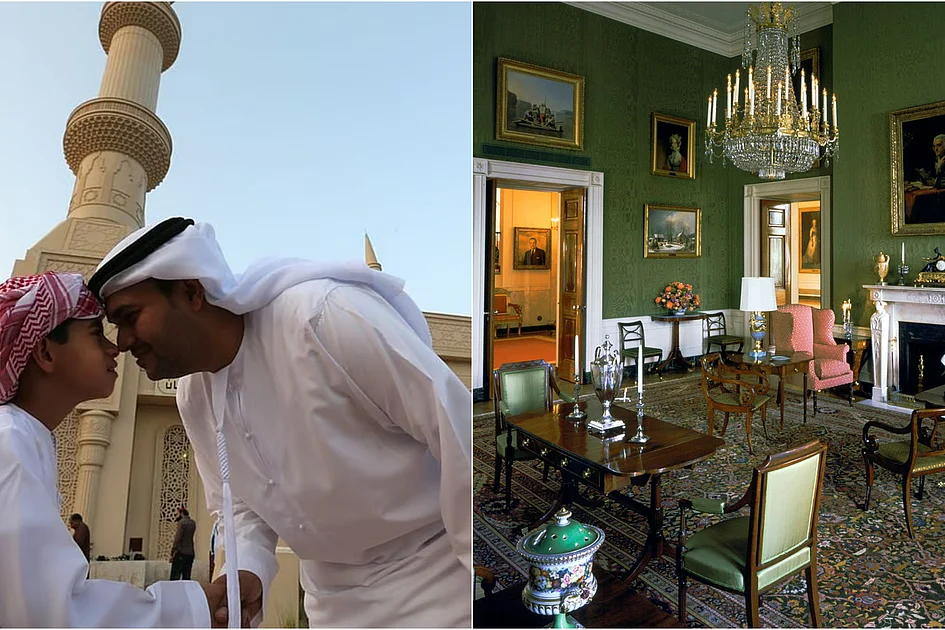
As the UAE prepares for Ramadan’s anticipated commencement around February 19, 2026, based on astronomical calculations, communities worldwide engage in spiritual and practical preparations for the holy month. Beyond the familiar traditions of lanterns (known as ‘fanous’) symbolizing hope and enlightenment—a custom tracing back to ancient Egypt—lies a tapestry of lesser-known historical and cultural facts about Ramadan.
The very term ‘Ramadan’ originates from Arabic roots denoting intense heat or parched earth, metaphorically representing the burning away of sins through fasting. This linguistic connection reflects the month’s historical occurrence during Arabia’s summer season before the Islamic calendar’s lunar cycle shifted its timing.
Eight remarkable aspects of Ramadan deserve broader recognition:
1. **Pre-Islamic Origins**: Contrary to common belief, Ramadan observance predates Islam, with Arabian communities already recognizing its significance before the 7th century.
2. **Jefferson’s Diplomatic Iftar**: The first White House Ramadan dinner occurred in 1805 when President Thomas Jefferson hosted Tunisian envoy Sulaiman Mellimelni during diplomatic tensions. Jefferson deliberately rescheduled the meal to sunset to accommodate Mellimelni’s fasting requirements, establishing an early precedent for religious accommodation in international relations.
3. **Seasonal Migration**: Ramadan completes a full cycle through all Gregorian calendar seasons approximately every 33 years due to the Hijri calendar’s 354-355 day composition, creating a 10-12 day annual shift.
4. **Double Ramadan Phenomenon**: The year 2030 will witness two Ramadans—in January and December—a natural occurrence stemming from the divergence between solar and lunar calendars that last occurred in 1997.
5. **Calendar Convergence**: By 2033, Eid Al Fitr may coincide with Christmas celebrations around December 23-25, creating a unique interfaith temporal alignment.
6. **Triple Eid Occurrence**: The same year (2033) could see three Eids: Eid Al Fitr around January 3, Eid Al Adha approximately March 11, and a second Eid Al Fitr near December 23.
7. **Broken Tradition**: President Donald Trump interrupted a 20-year White House tradition in 2017 by not hosting an Eid dinner, instead issuing a statement while implementing controversial travel restrictions affecting several Muslim-majority nations.
8. **Extreme Duration Fasting**: While UAE fasts last 12-13.5 hours, northern hemisphere countries like Greenland, Iceland, and Norway experience fasts exceeding 16 hours, with some regions enduring up to 20 hours of daily fasting due to extreme daylight conditions.
These facts highlight Ramadan’s complex intersection with astronomy, history, diplomacy, and global cultural practices, demonstrating how the holy month continues to evolve while maintaining its spiritual core.