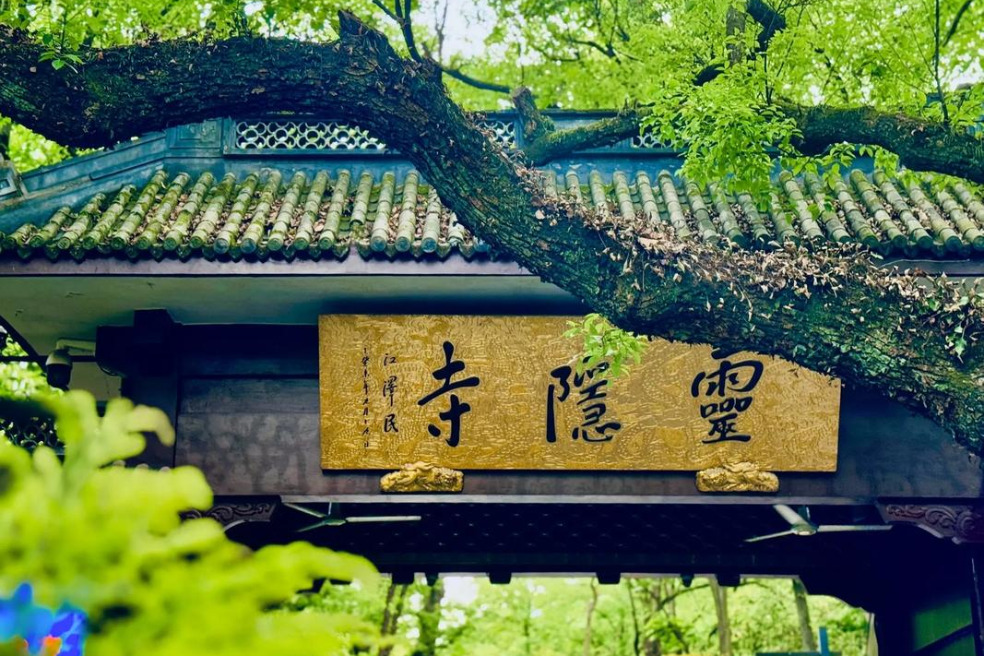
Hangzhou’s iconic Lingyin Feilaifeng Scenic Area has eliminated its 45 yuan ($6.36) entry fee effective December 1, 2025, marking the most significant application of Zhejiang province’s pioneering ‘West Lake model’ in over two decades. This strategic move away from ticket revenue represents a fundamental shift in China’s tourism approach, prioritizing increased visitor numbers and broader economic stimulation over direct entrance fees.
The policy expansion follows the proven success of Hangzhou’s West Lake, which removed entry charges in 2002 and subsequently witnessed remarkable tourism growth—from 29.4 billion yuan in annual revenue then to 345.03 billion yuan in 2024. The current initiative extends beyond mere entrance fee elimination; the previously separate 30-yuan incense voucher for Lingyin Temple has also become complimentary.
This transformative trend is gaining momentum across Zhejiang province. Songyang county in Lishui city recently implemented free admission to cultural heritage sites including Huangjia Grand Courtyard and Yanqing Temple Pagoda starting November 21. The movement reflects a provincial strategy to reduce dependency on ticket sales while enhancing cultural accessibility.
Economic experts champion this paradigm shift as a ‘multiwin’ scenario. Professor Li Daokui, Dean of Tsinghua University’s Academic Center for Chinese Economic Practice and Thinking, emphasizes that ‘waiving entrance fees might appear as a loss-leader initially, but actually generates multiple benefits in economic, reputational and cultural terms.’ He notes that scenic areas create substantial external benefits, with priority properly placed on maximizing their positive spillover effects for broader urban development.
Industry analyst Cheng Chaogong, Chief Researcher at Tongcheng Research Institute, observes that free admission strengthens areas’ roles as consumption drivers, facilitating formation of integrated cultural tourism clusters like the ‘Greater West Lake’ concept. This evolution signals a strategic transition from ‘selling tickets’ to ‘selling services and experiences,’ where attracting substantial visitor flows delivers far greater value than traditional entrance fees.
The transition necessitates enhanced management capabilities and operational innovation. Yang Shangqi, Director of the Lingyin Management Office’s Party and Administration Office, clarifies that ‘free admission does not translate into the absence of management.’ The scenic area has implemented real-name reservation systems and daily visitor limits to ensure safety and quality experiences.
Professor Kong Xuhong of Fujian Business University notes that moving beyond the ticket economy requires improved operational capabilities, new business formats, and creative expansion in dining, accommodation, shopping and entertainment services. These developments aim to transform scenic sites from simple destinations into dynamic platforms for sustained engagement and value creation.
The policy has garnered significant public appreciation. A first-time visitor from Huzhou expressed enthusiasm: ‘This is wonderful. It’s my first time at Lingyin, and I just happened to hear such good news,’ praising the improved accessibility and inclusiveness.
This transformative approach is spreading nationwide. Gubei Water Town in Beijing’s Miyun district is offering free admission by reservation throughout December, while the Western Xia Mausoleum in Yinchuan has waived entrance fees until February 2026. Jiangsu province’s Lianyungang made all 16 A-level scenic spots free for December, and Yuntai Mountain in Henan alongside Dunhuang’s major attractions including the Mogao Caves are offering substantial off-peak discounts.