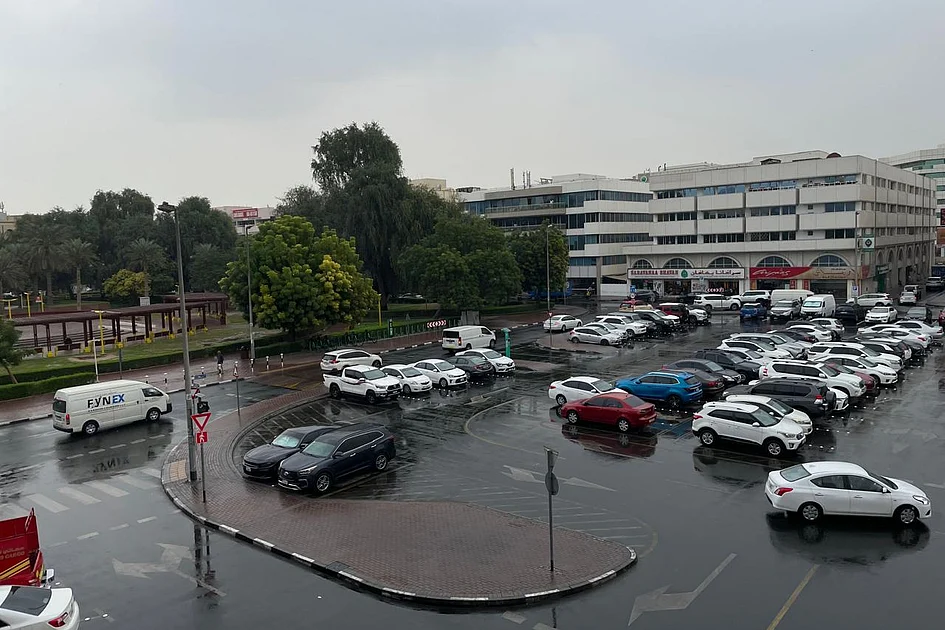
The United Arab Emirates is preparing for significant meteorological activity as a substantial unstable weather system is forecasted to impact the region beginning Thursday night. According to Dr. Ahmed Habib, a senior meteorologist at the National Centre of Meteorology (NCM), the initial wave of this weather pattern will reach Abu Dhabi and Dubai after midnight, bringing variable rainfall intensities that may escalate to heavy downpours at times.
This atmospheric instability results from a complex interaction between an upper-level low-pressure system and a surface low, combined with unusually high moisture levels flowing from both the Arabian Sea and Red Sea. This convergence creates optimal conditions for robust cloud formation and precipitation across the broader region, with neighboring Gulf states already experiencing substantial rainfall.
Meteorological projections indicate the system will develop through multiple phases over a two-day period. Initial effects commenced with scattered rainfall in northern and eastern emirates, including reports of hail mixed with heavy precipitation in Ras Al Khaimah and Fujairah. Offshore areas opposite Umm Al Quwain and sections of Dubai have observed dense rain clouds gradually moving eastward ahead of the primary weather event.
The western regions will experience the system’s initial impact between approximately 5:00 PM and 7:00 PM Thursday before expanding nationwide overnight. Abu Dhabi will encounter rainfall ranging from light to moderate with occasional heavy bursts from midnight through early Friday morning. Subsequently, the weather pattern will extend to Dubai and northern coastal areas including Sharjah, Umm Al Quwain, Ajman, and Ras Al Khaimah.
More intense cloud formations may generate thunderstorms accompanied by lightning and potential hail. The NCM has issued warnings regarding strong, active winds associated with convective clouds that could reduce horizontal visibility, lift dust particles, and displace unsecured objects or weak structures. Additional concerns include water accumulation in low-lying areas and potential valley runoffs during peak precipitation.
The primary weather system is expected to gradually dissipate around midday Friday, though unstable conditions will persist with possible cloud regeneration over Ras Al Khaimah extending into parts of Sharjah and northern Dubai. While this secondary phase is anticipated to be less intense, isolated areas could still experience moderate to heavy rainfall.
Dr. Habib characterized this event as typical seasonal instability despite its significant impact potential. Authorities advise residents to monitor official weather updates and implement necessary precautions, particularly during overnight hours when the most severe conditions are anticipated.