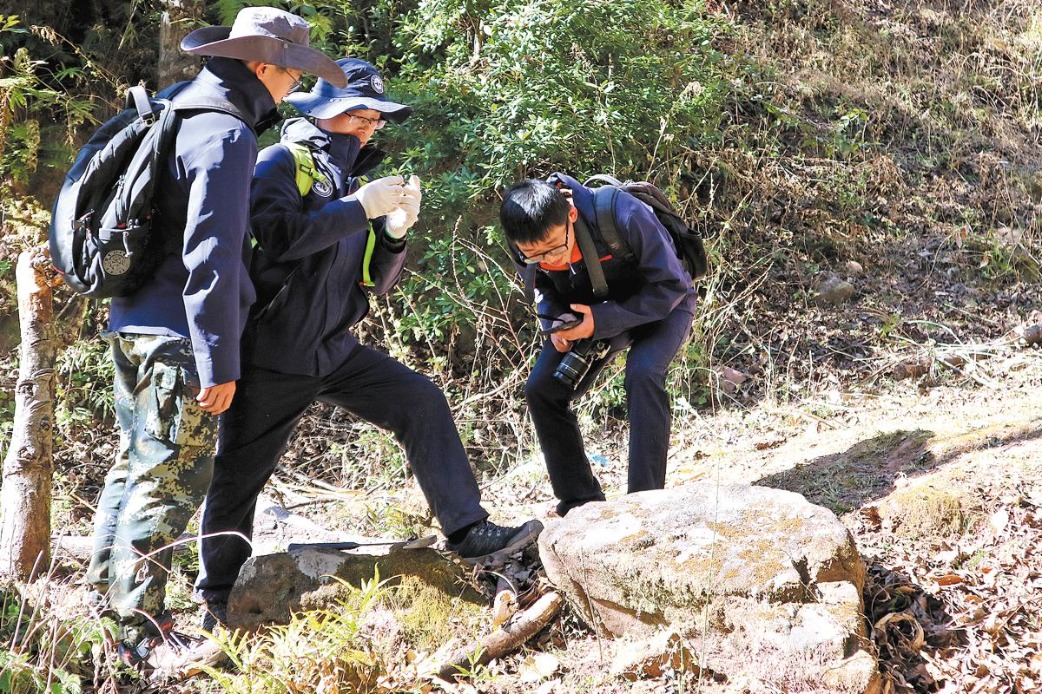
At altitudes reaching 4,500 meters, geological experts with China’s survey teams demonstrate remarkable resilience balancing demanding fieldwork with cherished family connections. These dedicated professionals spend approximately half of each year conducting Earth exploration missions in remote regions, often under challenging conditions that include improvised accommodations and extended separations from loved ones.
Bai Pingyan, a 34-year-old geologist, recalls waking in a sheep shed during high-altitude surveys in Tibet’s autonomous region—a testament to the unconventional working conditions these scientists routinely face. Despite such hardships, Bai emphasizes that the true challenge lies not in physical discomfort but in prolonged family separation. His sentiment echoes throughout the geological survey community, where professionals maintain strong family bonds through modern technology and creative solutions.
Huang Jiazhong from the Kunming General Survey of Natural Resources Center logged nearly ten months of field service last year, among the longest durations recorded. Yet he maintains consistent involvement in his children’s development through scheduled video conferences each evening. During these sessions, Huang reviews his son’s schoolwork, providing mathematics and Chinese language guidance while collaboratively learning English through educational applications.
The personal stories reveal innovative approaches to maintaining relationships across distances. Zhao Ruigang, anticipating fatherhood, maintains romantic connections with his wife through thoughtful gestures developed during their courtship. Despite initial meetings immediately preceding three-month fieldwork deployments, their relationship flourished through consistent communication and the exchange of local specialties from Zhao’s survey locations.
These geologists demonstrate that professional dedication and family commitment need not be mutually exclusive. Through technological adaptation, mutual understanding between partners, and creative maintenance of domestic responsibilities, they successfully bridge the gap between scientific exploration and personal fulfillment. Their experiences highlight how modern relationships evolve to accommodate demanding careers while preserving emotional connections and shared growth.