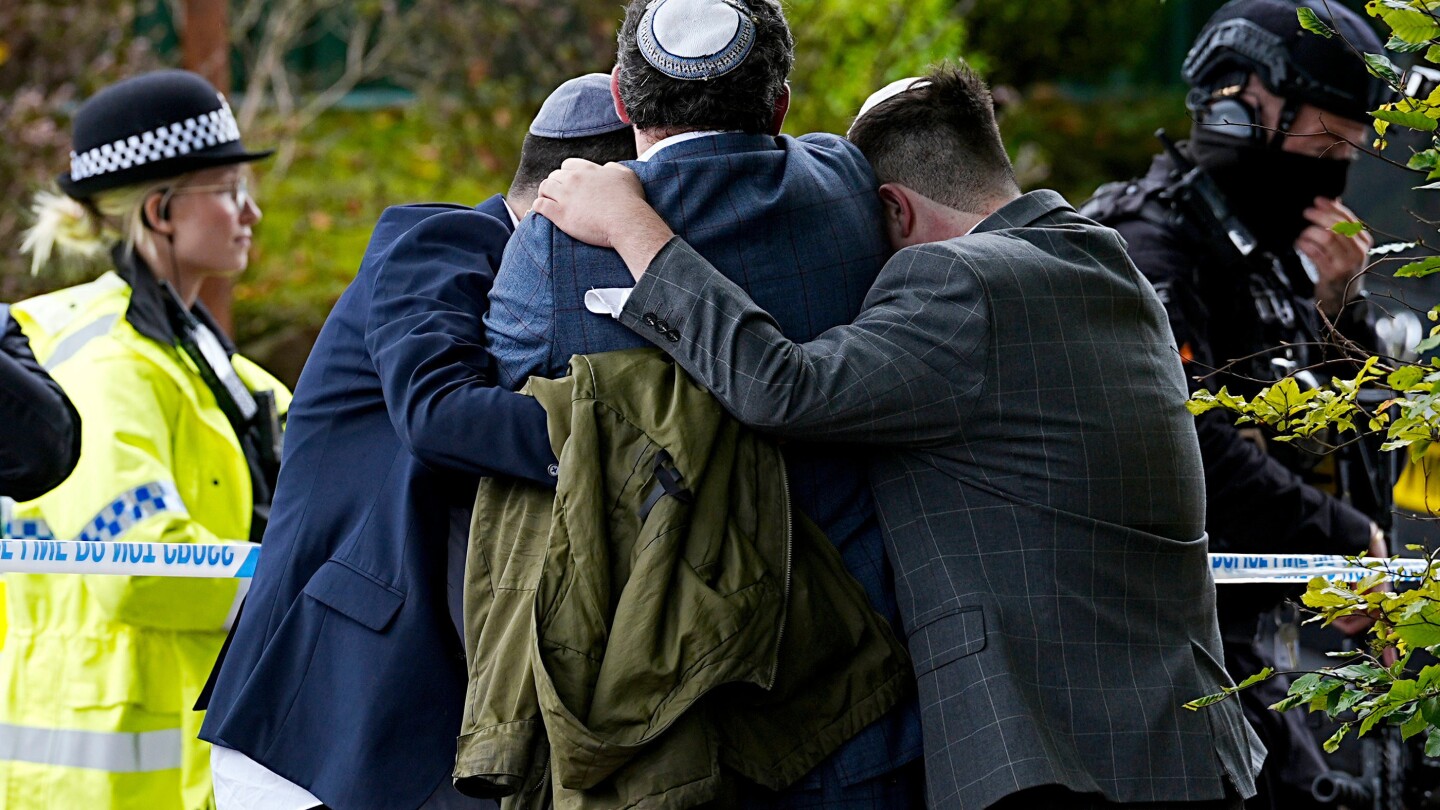
In recent years, places of worship worldwide have become targets of violent attacks, shattering the sanctity and safety these spaces traditionally provide. From synagogues in England and the U.S. to mosques in New Zealand and Sikh temples in Wisconsin, these incidents have left communities grappling with fear and anxiety. The October 2 attack on a Manchester synagogue, allegedly carried out by an Islamic State sympathizer, resulted in two deaths, followed by a suspected arson attack on a mosque in an English coastal town. These events have intensified concerns among clergy and worshippers globally. Security measures have been heightened, with synagogues in Germany surrounded by barriers and armed police, while U.S. houses of worship employ layered security strategies, including guards, cameras, and access control systems. Despite these efforts, the question remains: Can believers feel safe continuing to worship together? Religious leaders emphasize the need for balanced security measures that do not compromise the welcoming nature of these spaces. In the U.S., the Nonprofit Security Grant Program aids in funding security upgrades, while in Britain, Prime Minister Keir Starmer has pledged increased police presence at synagogues. However, addressing the root causes of hate speech and incitement is equally critical. As attacks on places of worship continue to rise, communities worldwide are calling for both immediate security enhancements and long-term solutions to combat the underlying hatred fueling these acts of violence.