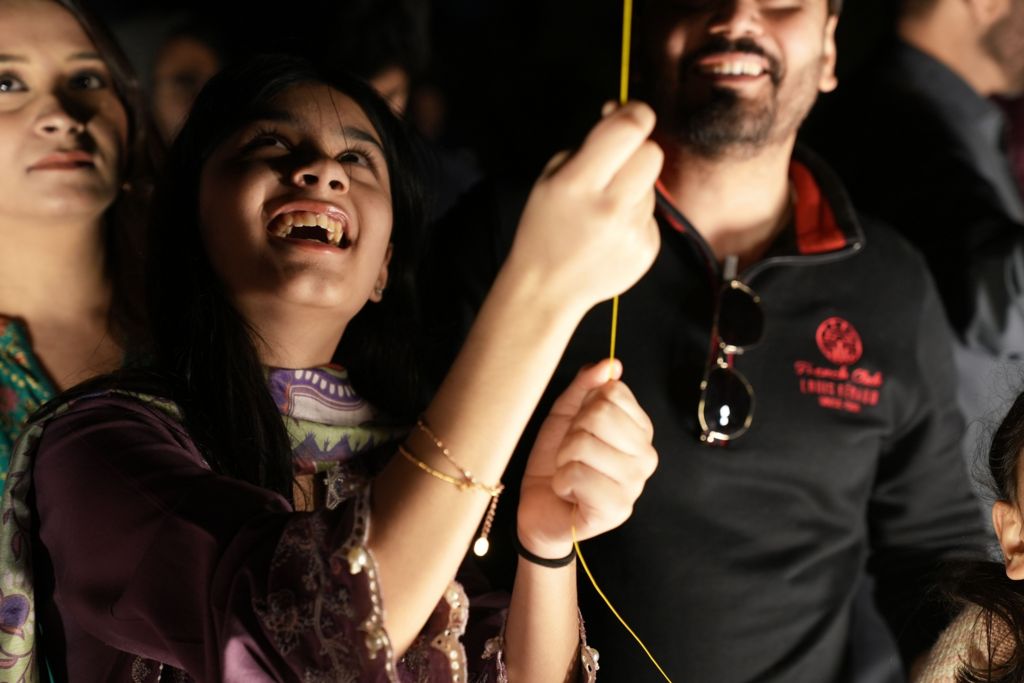
The skies above Lahore have transformed into a vibrant tapestry of color and motion as the ancient Basant kite-flying festival returns after nearly two decades of prohibition. Across the Pakistani city’s rooftops, multigenerational gatherings celebrate the spring tradition that was banned in 2007 following safety concerns that resulted in numerous injuries and fatalities.
The festival’s revival represents both cultural reclamation and cautious modernization. For 25-year-old tech engineer Abu Bakar Ahmad, this marks his first genuine Basant experience. ‘All our generations here are very excited,’ he explains. ‘The elders know how to fly a kite, but we Gen-Zers don’t know.’ His sentiment echoes throughout Lahore, where many younger participants are learning the art for the first time.
Authorities have implemented comprehensive safety measures to prevent past tragedies. The festival has been limited to three days, with large kites prohibited and dangerous strings containing metal or glass coatings banned. Motorcyclists now utilize protective metal rods between handlebars, while strategic netting covers certain streets and relocated CCTV cameras monitor rooftop activities.
Deputy Inspector General Faisal Kamran revealed extensive preparations: ‘We have seized more than 100,000 kites and 2,100 rolls of dangerous string before the festival. Our officers are monitoring through drones, physical surveillance, and repurposed surveillance systems.’
The economic impact is already substantial. Vendor Usman reported selling over 7,000 kites within days, while advocate Yousaf Salahuddin emphasized the festival’s financial importance for local artisans, vendors, and hospitality businesses. ‘There was a lot of revenue going down to the poorest—the street vendors, old city restaurants, clothing dyers, and merchandise sellers,’ Salahuddin noted.
For 60-year-old Miami resident Mina Sikander, the festival warranted international travel. ‘I’m very fond of this festival,’ she expressed. ‘It was worth the journey!’ Her enthusiasm reflects the deep cultural significance Basant holds for the Lahori diaspora.
Despite the competitive aspect of kite fighting—where participants attempt to cut opponents’ strings—the prevailing atmosphere emphasizes community bonding. As 48-year-old Kanwal Amin observed, ‘It’s gathering, it’s love. Flying kites is ok, but the main thing is bonding.’
The festival’s successful return demonstrates how cultural traditions can evolve with appropriate safety measures while maintaining their essential character and significance for community identity.