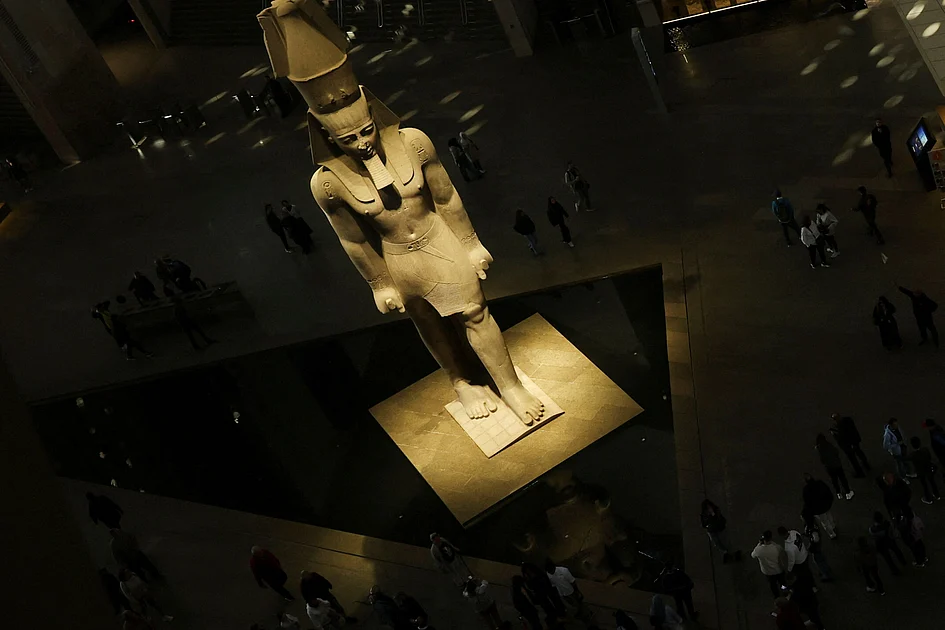
Egyptian authorities have successfully dismantled a counterfeit website falsely advertising ticket sales for the Grand Egyptian Museum (GEM), according to an official announcement from the Ministry of Tourism and Heritage. The fraudulent platform, which emerged recently, was promptly identified and reported to museum administrators who initiated immediate legal proceedings.
The National Agency for Regulation of Communications, alongside other relevant governmental bodies, was notified of the illicit operation, resulting in the complete shutdown of the deceptive website. This coordinated effort highlights Egypt’s strengthened cybersecurity measures to protect both domestic and international visitors from digital fraud schemes.
Tourism Minister Sharif Fathi addressed the public regarding the incident, emphasizing the critical need for vigilance in today’s increasingly sophisticated digital environment. He advised all potential visitors to rigorously verify the authenticity of websites before proceeding with any financial transactions or sharing personal data. Minister Fathi specifically cautioned against unauthorized platforms that might attempt to mimic official government or cultural institution websites.
Dr. Ahmed Ghanim, Executive President of the Grand Egyptian Museum, reaffirmed that gem.com remains the exclusive authorized platform for all legitimate ticket purchases. He detailed the museum’s proactive digital surveillance strategy, which involves continuous monitoring of internet activity to detect and neutralize fraudulent entities claiming association with the prestigious institution. Dr. Ghanim confirmed that the administration maintains a zero-tolerance policy toward such scams and pursues maximum legal penalties against perpetrators.
The Grand Egyptian Museum, one of the world’s most anticipated cultural institutions, represents a significant investment in Egypt’s cultural heritage and tourism infrastructure. This incident marks the latest in a series of attempts to exploit the museum’s global popularity through digital deception. Authorities have indicated that similar monitoring operations are ongoing to prevent future occurrences that could undermine visitor confidence and financial security.