A devastating series of elephant attacks has left 20 people dead in India’s eastern Jharkhand state, creating unprecedented panic across the West Singhbhum district. The fatal incidents occurred between January 1-9 in the Chaibasa and Kolhan forest regions, areas known for containing some of Asia’s most significant Sal forest ecosystems.
According to local authorities, the attacks have been attributed to a single male elephant exhibiting unusually aggressive behavior. Divisional Forest Officer Kuldeep Meena described the situation as extraordinary, noting this marks the first instance where such a consistent pattern of fatalities has been linked to one elephant in the region.
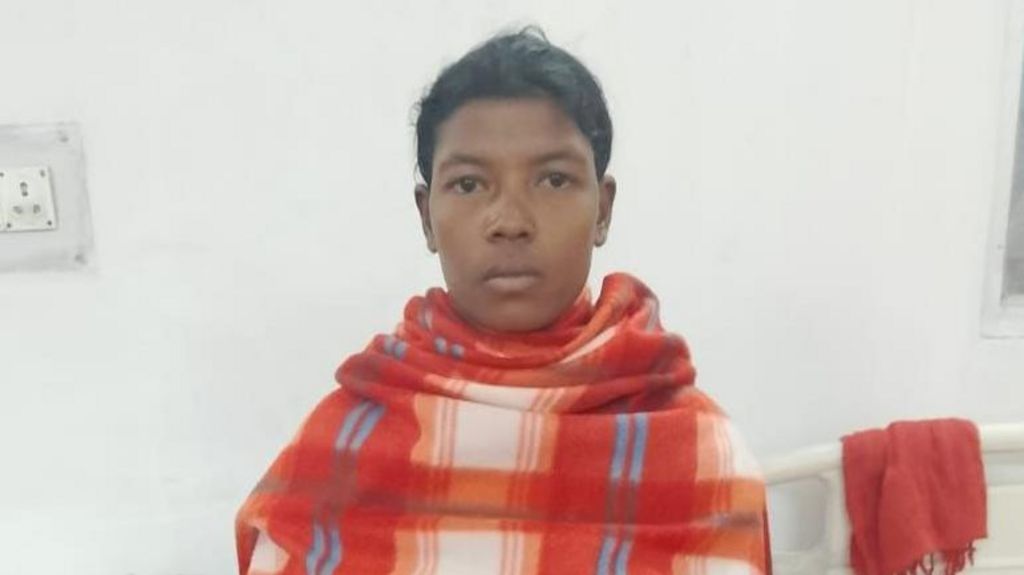
The victims were predominantly attacked during nighttime hours while performing routine activities. Many were guarding harvested paddy crops stored in fields and barns—a common agricultural practice in rural India. Among the deceased was 34-year-old Mangal Singh Hembram, attacked near his Bodijari village home while returning from work. In a particularly tragic incident, Kundra Bahoda and his two children, aged six and eight, were killed simultaneously, with only his wife and injured two-year-old daughter surviving.
Forest officials characterize the elephant as young, agile, and frequently changing locations, especially after dark, complicating tracking efforts. Over 100 forest personnel have been deployed in an extensive search operation, employing traditional drum alerts to warn residents and advising against outdoor activities during nighttime hours.
Preliminary assessments suggest the elephant might be experiencing its mating phase, during which male elephants typically demonstrate heightened aggression due to elevated testosterone levels. Officials note this behavior usually subsides within 15-20 days. Another theory suggests the animal may have become separated from its herd, increasing its solitary aggressive tendencies.
District Magistrate Chandan Kumar confirmed monetary compensation has been announced for victims’ families, while authorities maintain high alert status throughout the region to prevent further casualties. The immediate priority remains locating, capturing, and safely reintroducing the elephant into its natural habitat.