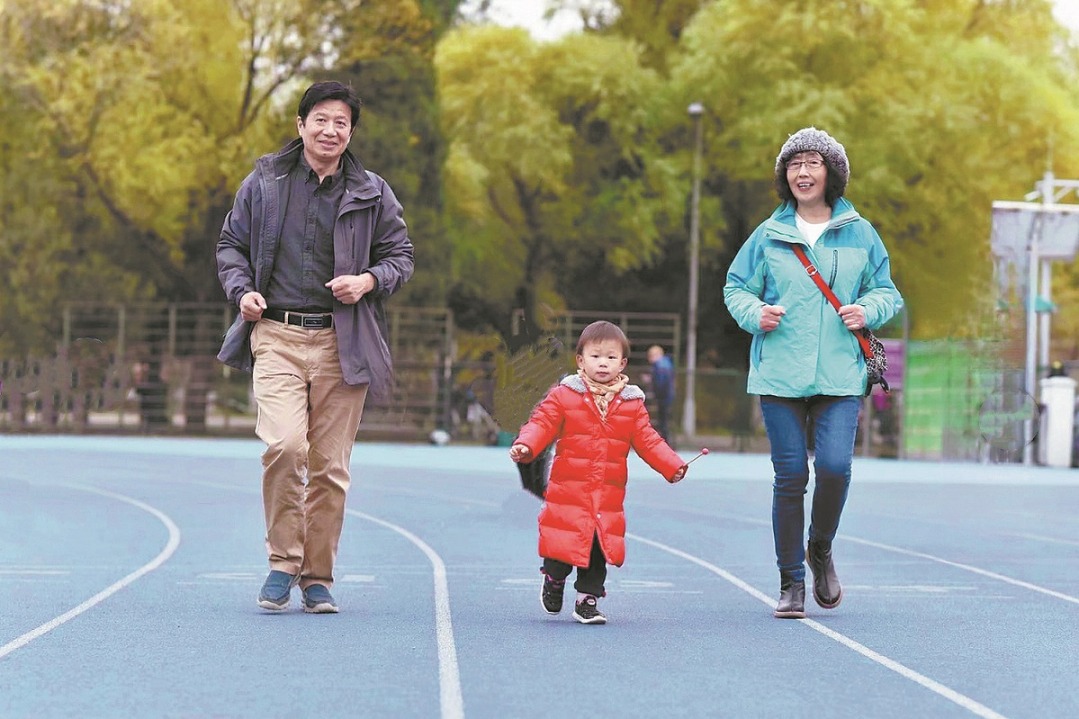
Across China’s metropolitan centers, a significant demographic shift termed ‘Lao Piao’ (elderly drifters) is transforming urban family structures as senior citizens relocate from their hometowns to support their children’s households. This intergenerational migration pattern reflects both the evolving pressures of modern urban life and the enduring strength of family bonds in Chinese culture.
The phenomenon particularly impacts dual-income professional couples like Wu Pei, a 33-year-old production manager in Guangzhou. Following her maternity leave in late 2021, both her mother from Anhui province and mother-in-law from Hunan province alternately provide childcare for her 4-year-old son, creating an unconventional multigenerational living arrangement that redefines traditional household dynamics.
This living situation presents both challenges and adaptations. Generational differences in parenting approaches frequently surface, with scientific child-rearing methodologies sometimes conflicting with experience-based traditional methods. Disagreements may emerge regarding daily routines, nutritional preferences, or disciplinary measures, creating a complex negotiation of values within the household.
Remarkably, these elderly drifters demonstrate extraordinary adaptability. Wu’s 65-year-old mother pursued formal childcare education during her retirement, obtaining professional certification, while her 63-year-old mother-in-law mastered contemporary nutritional cooking techniques specifically for her grandson. These efforts represent not merely practical adjustments but profound commitments to family welfare.
‘The willingness of our parents’ generation to continuously learn and adapt at their stage of life is both humbling and inspiring,’ Wu acknowledged. ‘Their dedication generates immense gratitude while simultaneously highlighting the substantial personal sacrifices they make—abandoning familiar communities, social networks, and comfortable routines to support our family.’
A critical incident underscored their indispensable role when Wu’s son developed a high fever during both grandmothers’ temporary absence. The couple’s struggle to manage the situation alone revealed their fundamental dependence on this intergenerational support system. ‘That nighttime emergency made us confront the reality that without their assistance, managing childcare alongside professional responsibilities would be overwhelmingly difficult,’ Wu confessed.
This urban phenomenon reflects broader socioeconomic transformations including rising living costs, intense workplace pressures, and inadequate public childcare infrastructure, compelling many families to rely on intergenerational solutions that reshape urban demographics and family relationships across China.