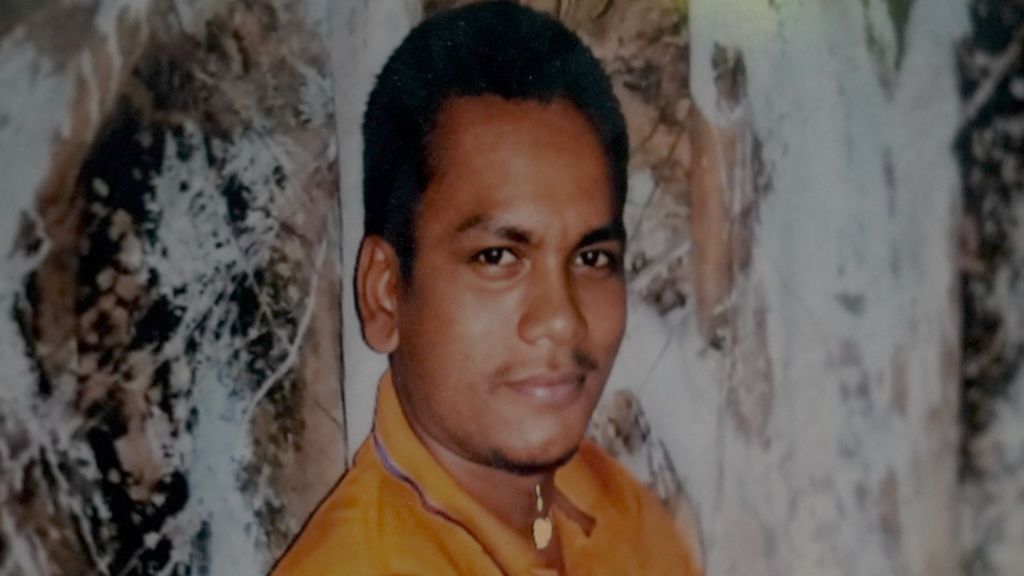
In a horrific incident that has exposed deep religious fractures in Bangladeshi society, 28-year-old Dipu Chandra Das was brutally lynched and burned by a mob on December 18th after being accused of blasphemy. The junior quality inspector at Pioneer Knitwear factory in Mymensingh was allegedly accused of making derogatory remarks about Prophet Muhammad during a workplace conversation.
The tragedy unfolded when a rumor swept through the garment factory where Das worked, manufacturing sweaters for global brands including H&M and Next. According to police superintendent Mohammed Abdullah Al-Mamun, the allegation stemmed from a casual conversation among co-workers near closing time. As the rumor spread, a mob gathered outside the factory gates demanding Das be handed over.
CCTV footage reveals the terrifying sequence of events: hundreds of protesters swelled to over a thousand, eventually forcing their way into the factory premises. Despite police presence, the mob extracted Das, beating him to death before dragging his body approximately one kilometer through crowded streets. The final atrocity saw his remains tied to a tree on a busy highway and set ablaze before hundreds of onlookers.
The killing has sparked international outrage, particularly in neighboring India, and raised serious concerns about minority safety in Bangladesh since the ousting of former prime minister Sheikh Hasina in 2024 student-led protests. Religious minorities, predominantly Hindus, constitute approximately 9% of Bangladesh’s 174 million population and have historically experienced periodic tension and insecurity.
Police investigations have resulted in 22 arrests to date, including half of Das’s co-workers, two factory managers, and a local mosque imam. Authorities describe the attack as a hate crime rather than religiously motivated, noting that many participants appeared to be students, passersby, and locals who joined the violence opportunistically.
The incident has ignited debate about the scale of anti-minority violence in Bangladesh. Government statistics report 645 incidents involving minorities in 2025, with only 71 having clear communal elements. However, human rights organizations and the Bangladesh Hindu Buddhist Christian Unity Council document significantly higher numbers—2,711 attacks since August 2024 including at least 92 killings.
Amid the tragedy, glimmers of solidarity emerge. Das’s employer has cleared his outstanding dues and promised to build the house he dreamed of for his family, while the outgoing government has pledged $35,000 toward construction and additional compensation. The case continues to reverberate through Bangladeshi society as authorities pursue approximately 150 individuals directly involved in the attack.