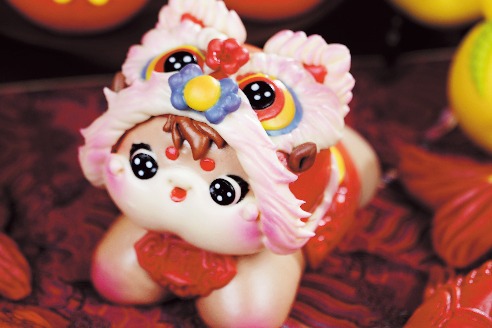
In the coastal Jiaodong region of Shandong province, an ancient culinary tradition transforms simple dough into intricate edible sculptures that serve as cultural messengers. Each morning, steamers produce not just bread, but vibrant artistic creations: crimson fish with gleaming scales, majestic lions with flowing manes, and blushing peaches resembling those freshly picked from orchards.
These elaborate creations, known as Jiaodong huabobo (flower-shaped buns), represent far more than sustenance. They embody a rich tradition of symbolic communication that has flourished for centuries. Gai Yaping, a 41-year-old recognized inheritor of this intangible cultural heritage from Yantai, notes that international visitors often express astonishment, questioning whether these exquisite pieces are actually meant for consumption.
The answer reveals a deep cultural practice where baked artistry replaces conventional greeting cards. These sculpted delicacies mark life’s most significant moments – from month-old infants receiving tiger-shaped buns symbolizing strength and health, to elders celebrating longevity with peach-shaped creations, to weddings featuring peonies, dragons, phoenixes, and mandarin ducks expressing romantic devotion.
While honoring generations-old customs, the craft has evolved significantly. Contemporary artisans employ natural colorants previously unavailable – spinach extract for verdant green, pumpkin for sunny yellow – creating a more vibrant palette than the traditionally white buns. The creation process remains resolutely hands-on, utilizing simple implements like scissors, chopsticks, and spoons to shape the dough.
Mastering huabobo requires both artistic aptitude and scientific precision. As Gai explains, while sculpting allows creative freedom, fermentation follows exacting standards: “No matter how beautiful the sculpting is, if the fermentation fails, everything is ruined.” Steaming times vary dramatically based on size, ranging from ten minutes for 50-gram pieces to over an hour for 500-gram creations.
This fusion of tradition and innovation has propelled huabobo into the digital marketplace. Online shops on platforms like JD.com and Taobao attract nationwide and international customers, with reviews praising their practicality and aesthetic appeal over conventional cakes. Gai’s final advice to consumers encapsulates the dual nature of her craft: “If you take one home, please don’t just leave it on a shelf. Eat it. We want the art to be beautiful to look at, and even better to taste.”