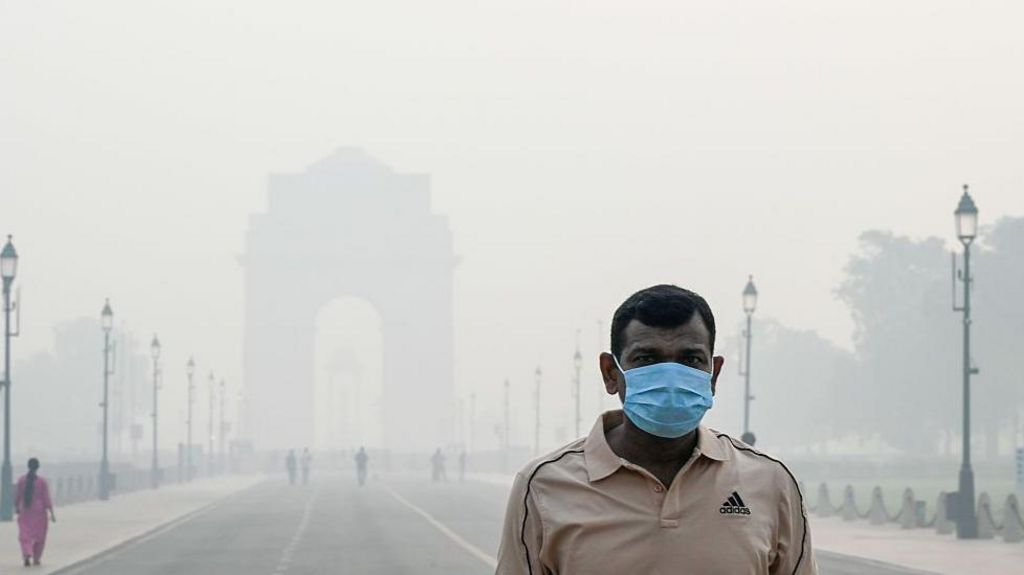
Delhi, India’s capital, is once again grappling with its annual air pollution crisis, as the city’s air quality has plummeted to ‘very poor’ levels this week. A toxic haze envelops the city, causing respiratory distress, eye irritation, and widespread health concerns. This recurring issue, which intensifies after the Diwali festival, has been exacerbated by a combination of factors, including firecracker emissions, vehicular pollution, and crop residue burning in neighboring agrarian states like Punjab, Haryana, and Uttar Pradesh. The onset of winter further aggravates the situation, as colder temperatures and low wind speeds trap pollutants close to the ground. Despite efforts to curb stubble burning and promote cleaner alternatives, affordability remains a significant barrier for farmers. Additionally, the recent relaxation of a ban on firecrackers during Diwali, albeit for ‘green crackers,’ has done little to mitigate the pollution. Reports indicate widespread flouting of restrictions, with more polluting crackers being used beyond the mandated time. The political blame game between Delhi and Punjab governments continues, while experts emphasize the need for long-term, collaborative solutions. As winter sets in, Delhi and northern India face yet another season of hazardous air quality, a tragic routine that underscores the urgent need for systemic change.