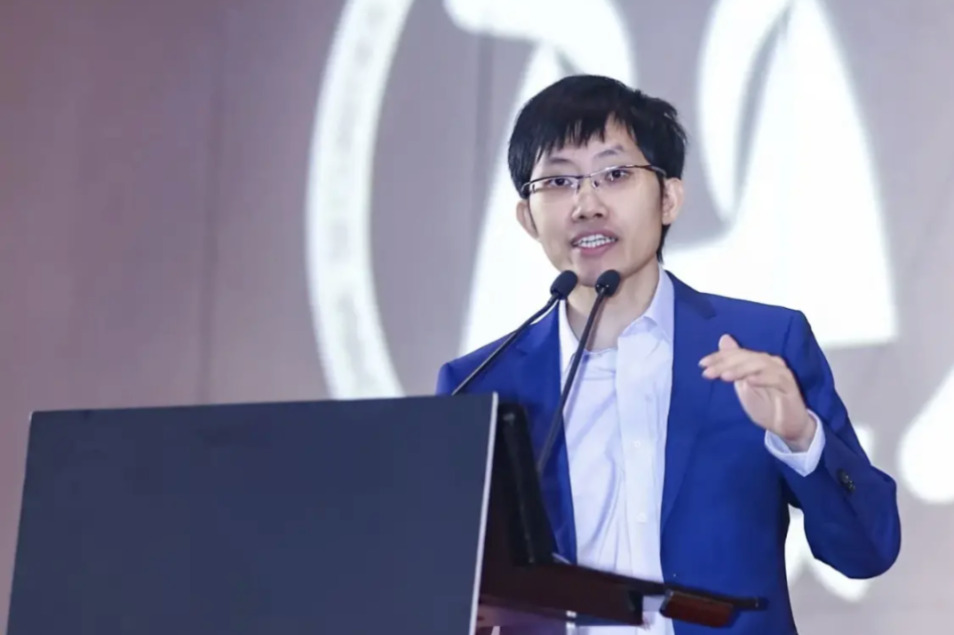
Two Chinese scientists have earned prestigious positions on Nature’s annual list of the top 10 individuals shaping global scientific progress in 2025. The recognition highlights China’s growing influence across both artificial intelligence and deep-sea exploration research domains.
Liang Wenfeng, the 40-year-old founder of DeepSeek, was honored as a ‘tech disruptor’ for revolutionizing artificial intelligence development. Nature specifically acknowledged his groundbreaking launch of an exceptionally powerful yet cost-effective large language model that fundamentally challenged prevailing assumptions about global AI capabilities. By making his model’s weights openly accessible—an unprecedented move in the industry—Liang provided researchers worldwide with free access to download and build upon the technology, accelerating innovation across multiple scientific disciplines.
According to research Liang published in Nature this September, his model demonstrates remarkable problem-solving capacity as a reasoning engine while maintaining remarkably low training costs. The entire development process for the basic model required just $6 million, significantly less than comparable investments by competing organizations.
Simultaneously, geoscientist Du Mengran from the Institute of Deep-sea Science and Engineering of the Chinese Academy of Sciences received recognition as a ‘deep diver’ for her pioneering work in hadal zone exploration. Currently leading a new expedition, Du emphasized that Nature’s selection represents neither a prize nor ranking but rather an editorial compilation highlighting significant scientific developments.
Her work focuses on the ocean’s deepest layers extending beyond 6,000 meters, where she observed Earth’s deepest known chemosynthetic ecosystems. Studying these extreme environments provides crucial insights into survival mechanisms that could advance life sciences research and enhance understanding of the global carbon cycle.
Du highlighted the extraordinary challenges of deep-sea exploration, noting that factors like extreme pressure, limited visibility, and frigid temperatures make these missions arguably more demanding than space exploration. She credited China’s strategic foresight in developing advanced diving equipment, creating novel materials, and leading global trench exploration initiatives over the past decade.
The scientist’s findings were made possible through last year’s expedition using China’s domestically developed Fendouzhe submersible, which conducted 24 dives averaging six hours each. Du characterized the honor as belonging not to her individually but to the entire hadal exploration team, embodying the collaborative spirit of scientific discovery.