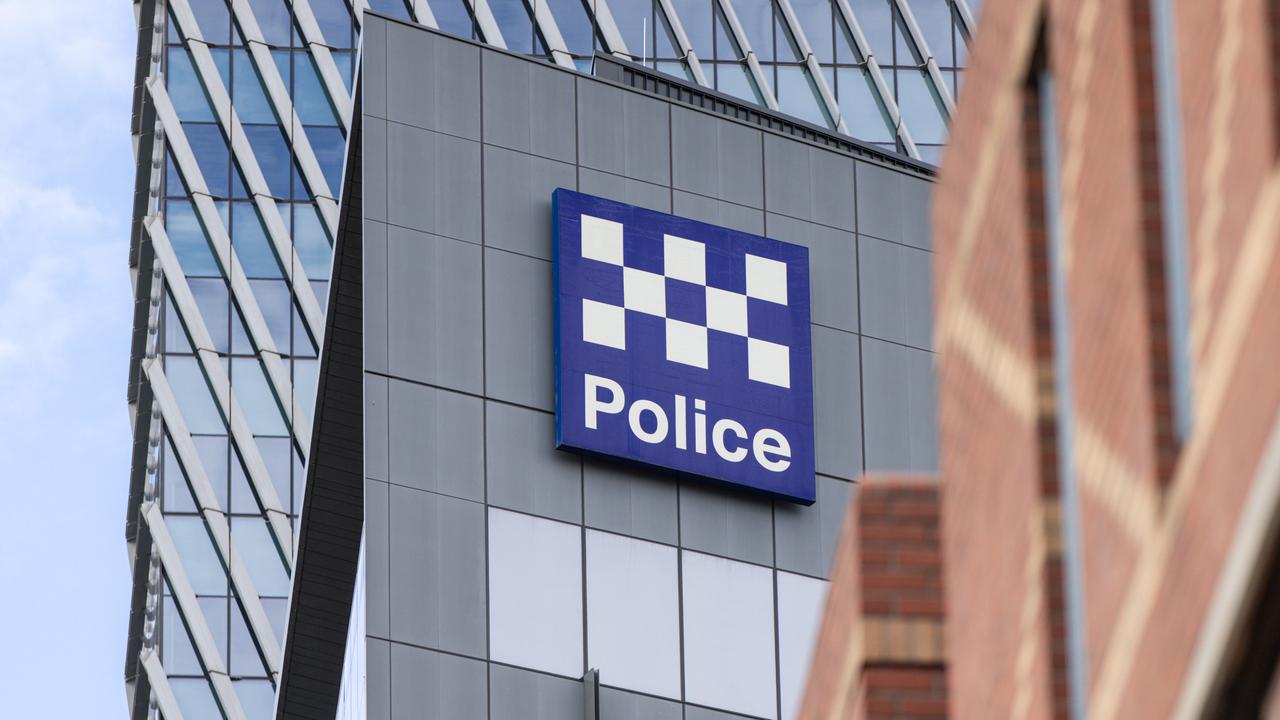
In a remarkable display of institutional accountability, Victoria’s Independent Broad-based Anti-corruption Commission (IBAC) has delivered an unprecedented formal apology to a survivor of police-perpetrated family violence. Commissioner Victoria Elliott offered the profound apology during a parliamentary committee hearing, expressing deep regret for the watchdog’s inadequate handling of Dr. Jana Katerinskaja’s complaints.
The case originated in 2018 when Dr. Katerinskaja, whose former partner was a serving police officer, reported serious family violence incidents to Victoria Police. She subsequently escalated her concerns to IBAC after discovering that the investigation was being conducted by her partner’s colleagues and that confidential information had been improperly shared.
IBAC’s initial response involved referring the complaint back to Victoria Police’s Professional Standards Command, which initially dismissed the allegations as “unfounded.” Despite identifying deficiencies in the police investigation, IBAC again referred the matter back to the same force. Dr. Katerinskaja filed a second complaint two years later regarding her treatment by police handling her case.
The Victorian Inspectorate’s 2022 special report revealed significant systemic failures, including IBAC’s failure to consider potential corrupt conduct, substantial procedural delays, and inadequate attention to the complainant’s welfare. Commissioner Elliott acknowledged that IBAC had adopted a “highly adversarial approach” when responding to the critical report, which she now characterizes as “inappropriate and insensitive.”
Dr. Katerinskaja described the apology as a potential “turning point” for the organization but cautioned that similar cases could still occur under the current system. Her legal representative, Jeremy King of Robinson Gill, noted the historical significance of the apology while emphasizing the need for structural reforms, including the establishment of an independent police ombudsman to handle complaints through trauma-informed approaches.
The case has highlighted ongoing concerns about Victoria’s police oversight framework, with IBAC reportedly investigating only 1% of police complaints while referring the overwhelming majority back to Victoria Police for internal review.