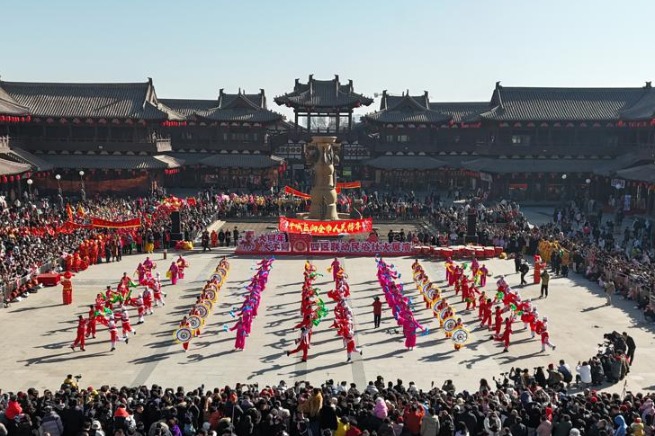
The ancient city of Datong in Shanxi Province has emerged as an unexpected tourism phenomenon, recording an unprecedented 735% year-on-year surge in visitor interest during the recent Spring Festival holiday. This remarkable growth positioned Datong as China’s fastest-growing destination, outperforming major metropolitan areas as both domestic and international travelers sought authentic cultural experiences.
Travel analytics from platform Qunar revealed Datong became a preferred destination for international visitors celebrating Chinese New Year, with bookings from non-Chinese passports increasing approximately 20% annually. Primary source markets included South Korea, Vietnam, Singapore, the United States, and Russia, reflecting growing global interest in traditional Chinese celebrations beyond commercialized urban centers.
The city’s transformation into a cultural epicenter was facilitated by approximately 160 meticulously curated events throughout the holiday period. These included magnificent lantern displays, vibrant folk parades, intangible cultural heritage performances, and immersive historical activities that transported visitors back through centuries of Chinese tradition.
Tourists reported profound experiences connecting with China’s historical legacy. ‘It was breathtaking,’ remarked Sha Anna, a Beijing visitor attending the Datong lantern festival with her family. ‘Standing on the ancient city wall overlooking the sea of lights felt like traveling back to the Northern Wei period. This experience helped our family disconnect from digital devices and reconnect with each other through shared cultural discovery.’
Local residents observed a particularly resonant festive atmosphere this year. Yu Zhandong, a Datong-based photographer, noted: ‘The celebrations masterfully blended historical authenticity with contemporary spectacle. The illumination of our ancient architecture through fireworks and lantern displays created a warm, immersive environment that truly captured the spirit of Chinese cultural continuity.’
This tourism surge represents a broader trend of travelers seeking meaningful cultural engagement rather than conventional tourism, suggesting a growing appreciation for China’s regional cultural heritage and traditional celebration methods.