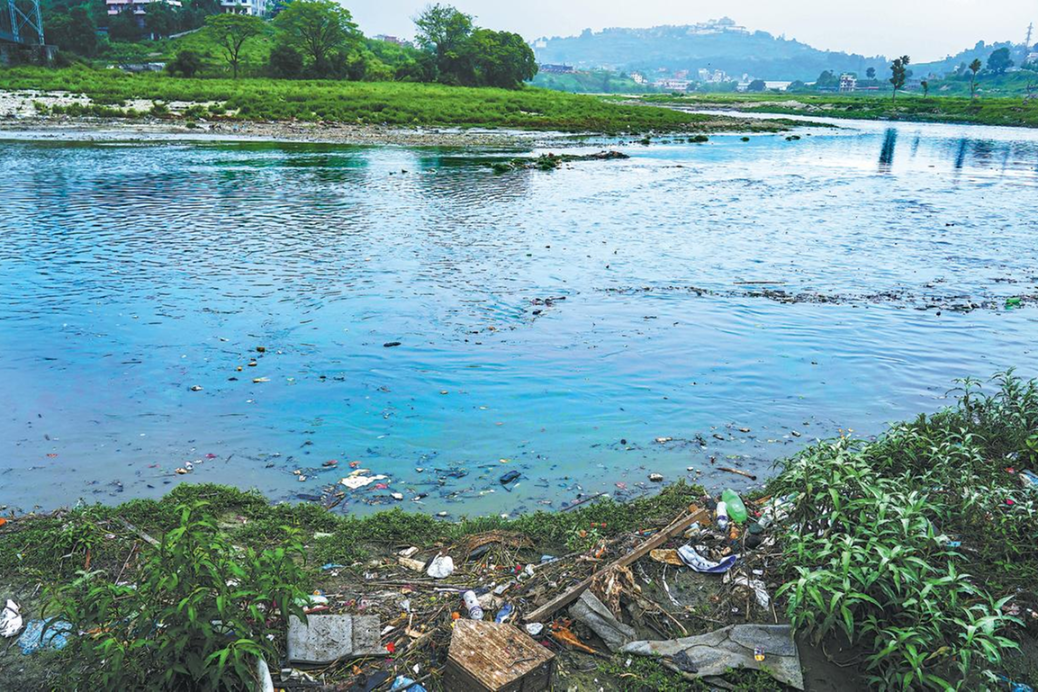
A comprehensive assessment by the Asian Development Bank reveals a severe water security crisis unfolding across Nepal, where excessive pumping operations are rapidly depleting groundwater reserves and causing traditional springs to vanish. The Asian Water Development Outlook 2025, published in December, documents how aquifers in the Kathmandu Valley have been critically diminished through overexploitation, while mountainous regions witness the complete disappearance of natural water sources.
The study identifies multiple compounding threats: shallow aquifers face extreme stress resulting in seasonal shortages, while naturally occurring arsenic contaminants in alluvial sediments pose substantial public health hazards. Despite Nepal’s abundant natural water resources, merely 25% of citizens benefit from fully operational drinking water systems, creating a paradoxical situation of simultaneous abundance and scarcity.
Infrastructure deficiencies, fragmented governance structures, and climate change impacts collectively hinder reliable and equitable water distribution. Although rural water accessibility has improved—with over 91% of households now utilizing piped or protected sources—approximately half still encounter contamination risks due to system failures and inadequate sanitation practices.
Urban centers face escalating pressures with population growth exceeding 4.5% annually. Kathmandu residents receive water for only 3-4 hours every other day, with supply occasionally dropping to 30% of normal levels during flood-induced shutdowns of the Melamchi River system. This scarcity forces dependence on expensive alternatives including stored, filtered, and bottled water.
Environmental degradation compounds the crisis: wastewater treatment remains virtually nonexistent (2.1% of wastewater and under 1% of fecal sludge receives treatment), while urban pollution, riverbed mining, and changing land-use patterns damage aquatic ecosystems. The Roshi River catchment in Kavre district exemplifies severe localized degradation following devastating 2024 floods.
Governance challenges persist under Nepal’s federal structure, where seven provinces and 753 local governments share overlapping water mandates creating coordination gaps. The country scores merely 37 out of 100 on integrated water resource management indicators, significantly below regional averages and far from global targets.
The report urgently calls for integrated watershed management, reforestation initiatives, and protection of groundwater recharge zones to counter this escalating national emergency.