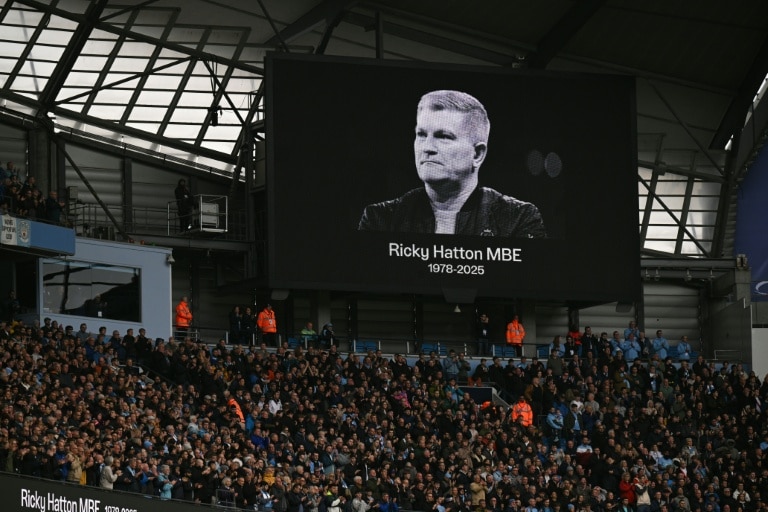
In a landmark inquest verdict, Senior Coroner Alison Mutch has declared insufficient evidence exists to determine whether boxing legend Ricky Hatton intended to end his own life prior to his September 2025 death. The judicial inquiry revealed compelling circumstances complicating traditional suicide classification, including extensive future planning by the athlete and absence of any suicide note.
Hatton, the 46-year-old former world champion boxer, was discovered unresponsive at his Manchester-area residence by his manager on September 14th. Medical examination confirmed hanging as the technical cause of death, yet the coroner’s court received testimony indicating Hatton had been making substantial personal and professional plans for the coming months.
Forensic analysis presented during proceedings documented significant alcohol intoxication at time of death, with blood alcohol levels substantially exceeding legal driving limits. Additional toxicology reports identified residual traces of cocaine and cannabis, though not at physiologically active concentrations.
Most notably, post-mortem neuropathological examination revealed definitive evidence of chronic traumatic encephalopathy (CTE), the degenerative brain condition associated with repeated head trauma characteristic of combat sports. This finding introduces complex medical considerations regarding neurological impairment and decision-making capacity.
Coroner Mutch delivered a narrative verdict—a legal conclusion describing circumstances without attributing specific intent—stating: “When evaluating the totality of evidence including his future planning, absence of explanatory notes, significant alcohol impairment, and diagnosed CTE pathology, I cannot be satisfied he formed conscious intention to end his life.”
Family members attending the proceedings described Hatton as a devoted father who had reportedly been in remarkably positive spirits despite previously documented struggles with substance abuse. Testimony indicated the athlete had appeared happier than he’d been in years preceding the incident.
The case highlights growing concerns about neurological health in contact sports and the complex interplay between brain trauma, substance use, and mental health determinations in legal proceedings.