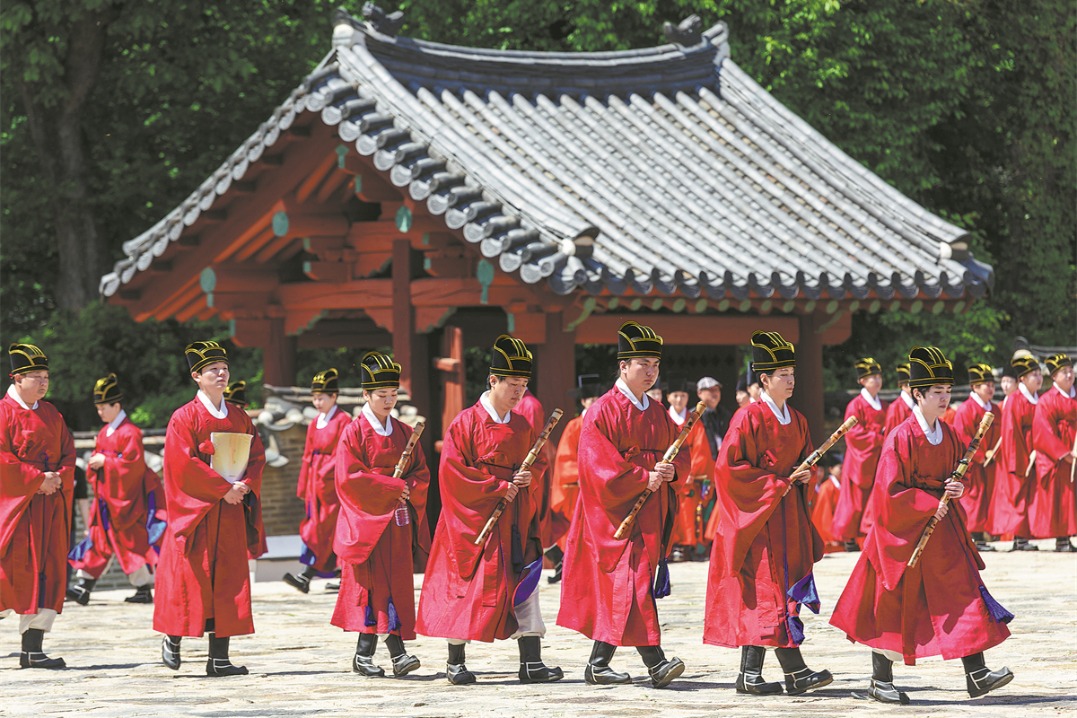
Confucianism has long served as a cultural and intellectual bridge between China and South Korea, fostering a shared heritage that transcends centuries. This enduring connection is exemplified by the life and works of Choe Chi-won, a Korean poet and scholar who lived during the late Unified Silla period (668-935). Choe, known in China as Cui Zhiyuan, spent significant years in China’s Tang Dynasty (618-907), where he mastered classical Chinese and earned the prestigious jinshi degree, the highest level of the imperial civil service exams. His poetry, written in classical Chinese, reflects a deep emotional and intellectual bond with both cultures. Choe’s influence extended beyond literature; he sought to reform the declining Silla kingdom by advocating for Confucian principles such as meritocracy, monarchical strength, and ethical governance. Although his reforms were largely ignored, his legacy shaped the Confucian bureaucratic traditions of subsequent Korean dynasties, including Goryeo (918-1392) and Joseon (1392-1910). The Gwageo system, introduced by Goryeo and modeled after China’s imperial examinations, further solidified this cultural exchange. Today, Confucianism continues to symbolize the profound intellectual and artistic affinity between China and South Korea, as evidenced by events like the Confucian ritual at Seoul’s Jongmyo Shrine, a tribute to the Joseon Dynasty’s royal ancestors.