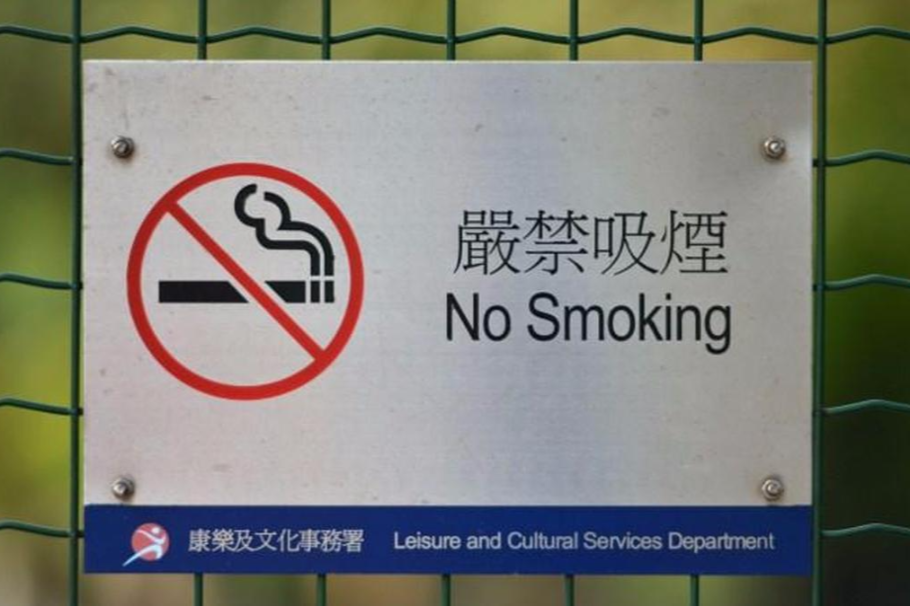
Hong Kong’s construction industry is actively considering implementing a comprehensive smoking prohibition across all building sites in response to the catastrophic Tai Po fire that claimed numerous lives last week. The tragic incident at Wang Fuk Court on November 26, which resulted in at least 159 fatalities, has triggered urgent safety reviews and policy reconsiderations throughout the territory’s construction sector.
Real estate developers and industry associations have demonstrated strong support for the proposed smoking ban. The Real Estate Developers Association of Hong Kong, led by chairman Stewart Leung Chi-kin, has initiated a formal process to gather consensus among stakeholders. Leung emphasized that contractors should assume direct responsibility for enforcing smoking regulations, with the association preparing to issue official guidelines to all development companies once an agreement is reached.
In the aftermath of the disaster, construction sites have already begun implementing stricter measures. Notices prominently displayed at work locations explicitly prohibit workers from bringing cigarettes onto premises, with violations carrying severe penalties including immediate expulsion from sites, permanent industry blacklisting, and substantial fines of HK$5,000 (approximately US$642).
Major industry players including CK Asset Holdings Ltd have reinforced their existing no-smoking policies. The conglomerate confirmed that smoking has always been strictly forbidden at their construction sites, with designated smoking areas provided away from work zones. The company has intensified enforcement efforts, implementing a zero-tolerance approach that includes immediate dismissal of violators and reporting offenders to the Construction Industry Council for further disciplinary action.
Current Hong Kong Construction Sites (Safety) Regulations already empower commissioners to prohibit smoking and naked flames at any site where flammable materials are present or when fire hazards are identified. The proposed comprehensive ban would extend these provisions to cover all construction sites regardless of specific materials in use, representing a significant enhancement to existing safety protocols.