LONDON — While shoveling compost and clearing weeds on a chilly, damp evening might seem unappealing to many, participants of GoodGym’s innovative program approach these tasks with enthusiasm and energy. This organization has transformed conventional fitness routines by merging physical exercise with meaningful community service, creating a unique social fitness movement across Britain.
On a recent evening in London, volunteers clad in running gear equipped with headlamps transformed a derelict parking lot rooftop into a vibrant community garden. These participants had jogged approximately one mile to reach the site, incorporating digging, squatting, and lifting into their weekly workout regimen. GoodGym’s mission centers on enabling UK residents to improve their physical fitness while contributing to their communities, eliminating the need for expensive gym memberships or equipment.
Founded in 2007 by Ivo Gormley, the organization originated from a simple act of delivering newspapers to elderly residents through running. Dissatisfied with traditional gym environments, Gormley envisioned exercise that served practical purposes. What began with removing outdated posters in East London has expanded significantly, with GoodGym now boasting over 26,600 members across 67 locations in England and Wales, with plans to expand into Northern Ireland and Scotland.
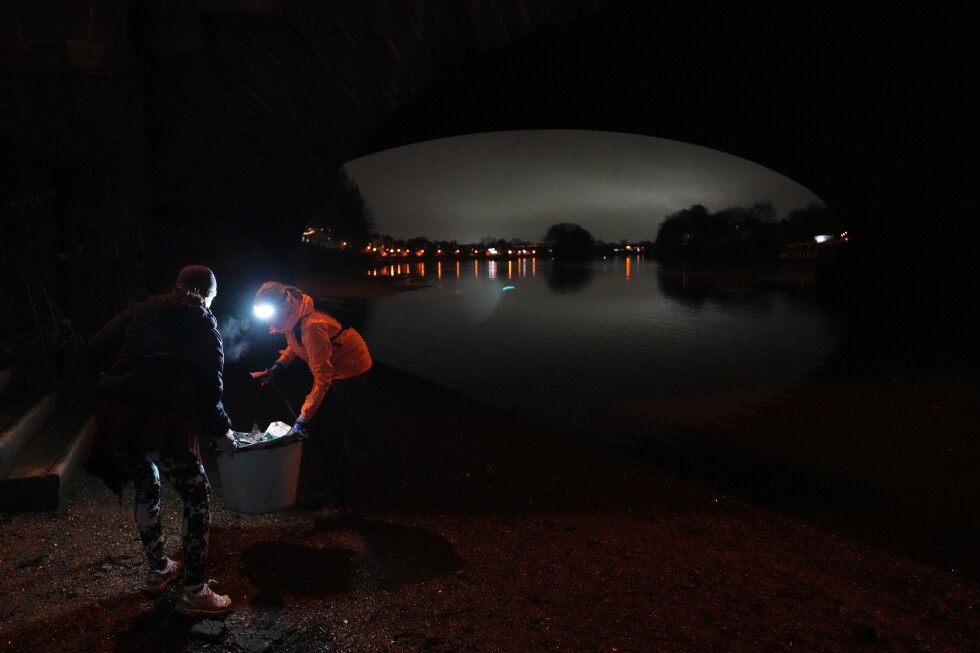
The COVID-19 pandemic prompted a strategic shift, with volunteers focusing on assisting isolated seniors through prescription deliveries and food distribution. Current activities range from clearing discarded Christmas trees and collecting plastic waste along the River Thames to planting fruit trees and assembling beds for homeless individuals.
Research conducted by the London School of Economics suggests the combined approach yields enhanced mental health benefits. A two-year study led by Assistant Professor Christian Krekel examined 3,600 current and prospective members, documenting improvements across six dimensions of mental wellbeing. Participants reported reduced loneliness, increased life satisfaction, and stronger feelings of social connection compared to those engaged solely in either volunteering or physical exercise.
The organization maintains accessibility as a core principle, with voluntary monthly donations and no attendance requirements. Regular participants emphasize the dual benefits of physical activity and social contribution, with many noting the particular advantage for women seeking safe evening exercise options during London’s dark winter months.