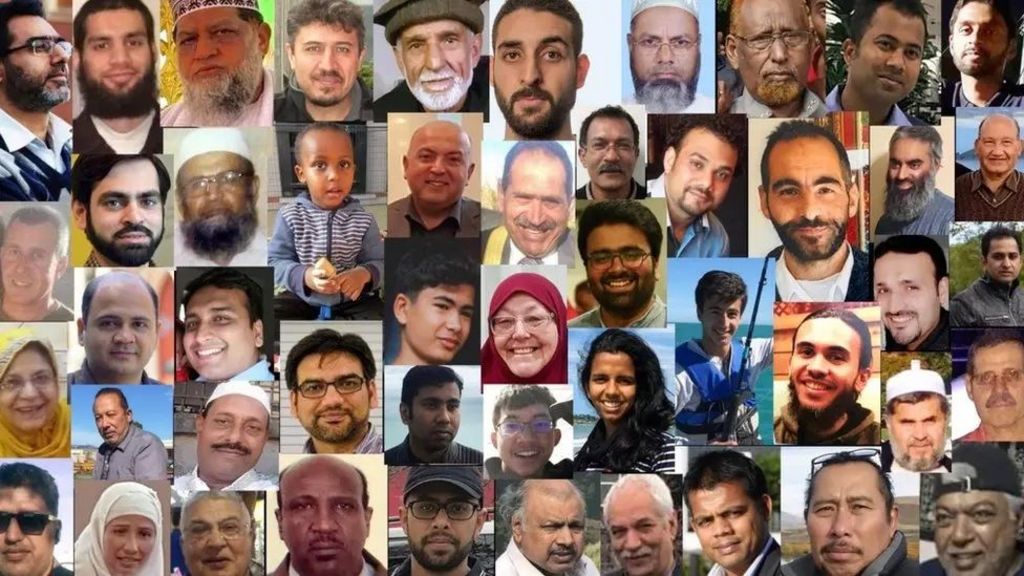
Australian white supremacist Brenton Tarrant, currently serving life imprisonment without parole for the 2019 Christchurch mosque massacres, has initiated a controversial legal appeal seeking to retract his prior guilty plea. The 35-year-old terrorist, who admitted to murdering 51 worshippers and attempting to kill 40 others during Friday prayers, will present his case before New Zealand’s Court of Appeal in Wellington this week.
Tarrant’s defense argues his prison conditions constitute ‘torturous and inhumane’ treatment that rendered him incapable of rational decision-making when he entered his guilty plea. The convicted mass murderer, who also confessed to terrorism charges, further intends to appeal his unprecedented sentence of life without parole.
The hearing, expected to span the entire week, will feature Tarrant’s testimony delivered via video link. Victims’ families have been granted access to observe proceedings through a delayed broadcast system, reopening wounds from one of New Zealand’s most traumatic national tragedies.
Among those preparing to witness the appeal is Aya al-Umari, whose brother Hussein was killed while confronting the attacker at Al Noor mosque. ‘I distinctly remember leaving court after sentencing thinking the trauma chapter was closed,’ al-Umari told the BBC. ‘But it pops up again and again.’
The 2019 attacks, partially live-streamed by the perpetrator, triggered immediate legislative reforms including stringent gun control measures. Within weeks, New Zealand’s parliament overwhelmingly banned military-style semi-automatic weapons and implemented a compensated buyback scheme for newly prohibited firearms.
Then-Prime Minister Jacinda Ardern declared during Tarrant’s 2020 sentencing that life without parole ensured the attacker would receive ‘no notoriety, no platform.’ The current appeal process challenges that resolution, potentially forcing a full trial if judges permit the plea withdrawal. Should the court deny this request, a separate hearing addressing sentence appeal will convene later this year.