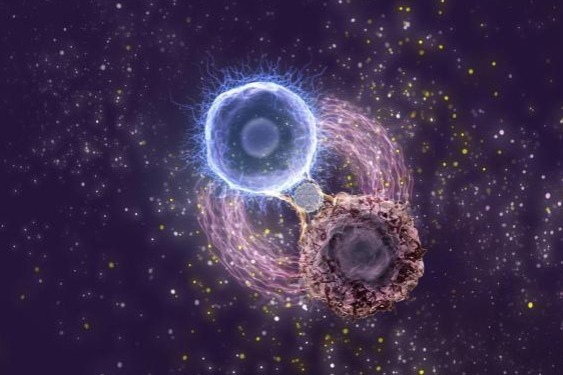
Chinese researchers from the Institute of Process Engineering at the Chinese Academy of Sciences have engineered a groundbreaking molecular enhancement that significantly improves the effectiveness of CAR T-cell therapy against leukemia. Published in the prestigious journal Cell, their innovation addresses a critical limitation of current cancer immunotherapies where malignant cells evade detection by shedding surface markers.
The team developed a novel helper molecule dubbed FACE (Ferritin-based Adhesion and Connection Enhancer), constructed from naturally occurring ferritin protein. This breakthrough emerged from analyzing patient samples that revealed both leukemia cells and immune cells abundantly express the CD71 surface protein. FACE strategically exploits this commonality by binding to CD71 receptors on both cell types, effectively creating a molecular bridge that maintains cellular connection even when cancer cells attempt to hide.
Dr. Wei Wei, lead researcher on the project, explained: “FACE functions as both a microscopic bridge and powerful biological adhesive. When leukemia cells reduce their identifiable markers to escape detection, FACE ensures CAR T-cells maintain their grip and complete their therapeutic mission.”
Laboratory results demonstrate remarkable efficacy. In mouse models where conventional CAR T therapy failed due to diminished cancer cell markers, the FACE-enhanced approach achieved 100% survival rates by enabling continuous cancer cell targeting and elimination. The technology shows particular promise because it utilizes biologically compatible materials already approved for medical applications, potentially streamlining regulatory approval processes.
The research has been validated across multiple clinically relevant animal models and human patient-derived samples, indicating strong translational potential. This development represents a significant advancement in adaptive cancer immunotherapy, offering new hope for patients with recurrent or treatment-resistant leukemia without adding substantial complexity or cost to existing therapeutic protocols.