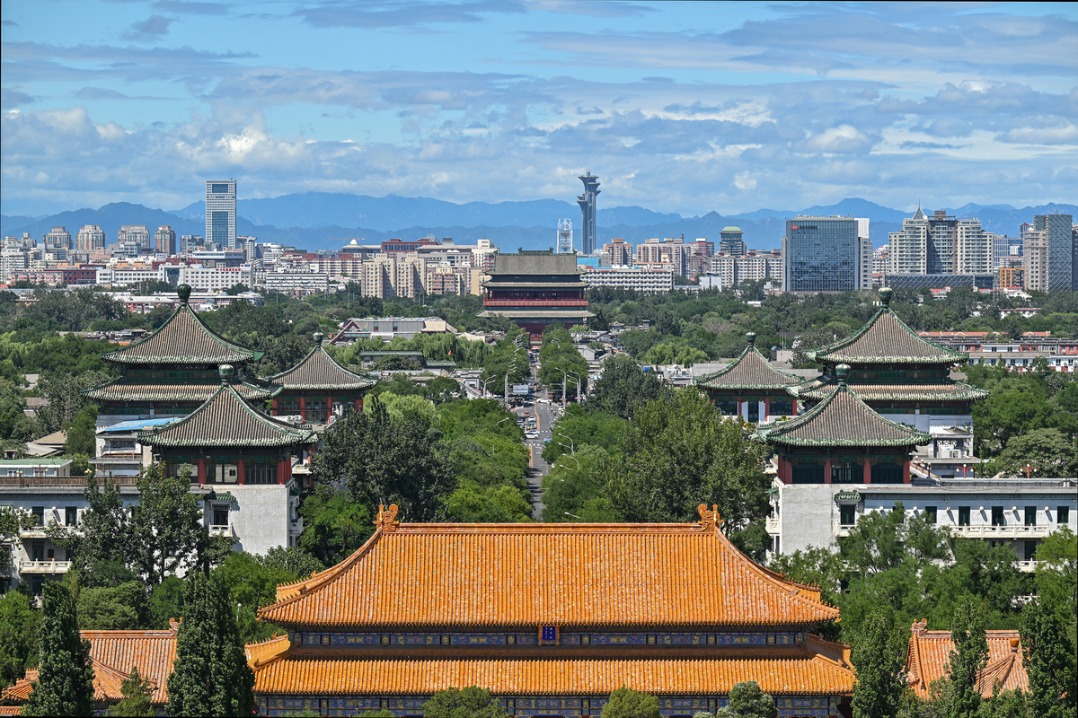
Beijing has announced a monumental environmental turnaround, declaring near-elimination of heavy air pollution following a decade-long campaign. Official data released Sunday by the Beijing Municipal Ecology and Environment Bureau reveals the capital experienced merely one day of heavy pollution throughout 2025—a dramatic 98.3% decrease from the 58 heavily polluted days recorded in 2013.
The watershed achievement extends to particulate matter levels, with the city’s annual average PM2.5 concentration dropping to 27.0 micrograms per cubic meter. This marks the first time Beijing’s fine particulate pollution has dipped below the 30-microgram threshold since systematic monitoring began.
The transformation represents a stunning reversal from 2013, when Beijing’s air quality reached crisis levels with PM2.5 concentrations averaging 89.5 micrograms per cubic meter. During that period, suffocating smog episodes regularly blanketed the city, posing substantial public health risks and challenging urban development.
Authorities attribute this environmental success to the comprehensive ‘Blue Sky Defense War’ initiative—an unprecedented multi-year program implementing stringent emissions controls, industrial restructuring, energy transition measures, and enhanced environmental regulations. The systematic approach targeted pollution sources across transportation, manufacturing, energy production, and construction sectors.
This air quality milestone positions Beijing among the few megacities globally to achieve such rapid pollution reduction, setting a benchmark for urban environmental governance and demonstrating the effectiveness of coordinated policy action against atmospheric pollution.