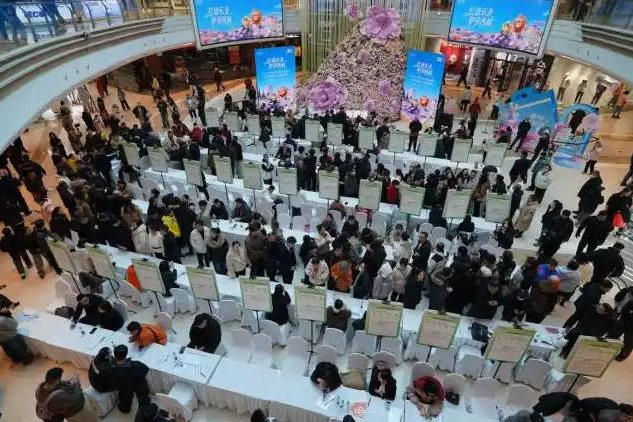
China’s extensive post-Lunar New Year employment initiative has successfully created approximately 23 million job opportunities through a comprehensive nationwide campaign, according to official statements from employment authorities. The massive job creation effort, known as the ‘spring breeze’ employment campaign, involved the organization of 32,000 specialized job fairs across the country following the Spring Festival holiday period.
The annual post-holiday season traditionally represents a peak recruitment period in China as millions of migrant workers seek new employment opportunities. Government data reveals that transportation assistance programs, including specially arranged buses, trains, and charter flights, have facilitated the return of approximately 430,000 workers to their positions as of March 8.
Regional implementation of the employment drive showcased diverse approaches tailored to local economic needs. In Guangxi Zhuang Autonomous Region, industrial park-focused campaigns generated over 540 positions, with transportation services provided for prospective employees to tour manufacturing facilities. Chongqing municipality officials conducted extensive outreach to more than 3,000 corporate employers, identifying 81,000 vacancies while establishing inter-provincial cooperation agreements that secured an additional 50,000 positions from Shandong and Sichuan provinces.
The employment initiative incorporated targeted strategies for specific demographic groups. Nanjing, capital of Jiangsu province, hosted specialized job fairs for university graduates featuring nearly 100 employers offering 2,000 positions. In Huzhou city, Zhejiang province, a weeklong recruitment drive offered average annual salaries of approximately 90,000 yuan ($13,067), with premium positions in emerging sectors such as new energy and semiconductors reaching compensation packages up to 800,000 yuan.
Innovative approaches included vocational training programs in Henan province’s Jiaozuo city, where authorities published directories of skilled talent shortages and launched workplace-specific training courses. Shandong’s Zibo city district incorporated advanced technology into their recruitment process, utilizing AI-assisted resume optimization tools and establishing virtual reality recruitment zones that attracted over 62,000 participants through both online and physical attendance.
This comprehensive employment stabilization effort aligns with China’s broader economic objectives, including the creation of 12 million new urban jobs in 2026. The initiative addresses complex labor market challenges arising from international trade tensions and automation impacts while preparing for the record 12.7 million university graduates expected to enter the job market this year.