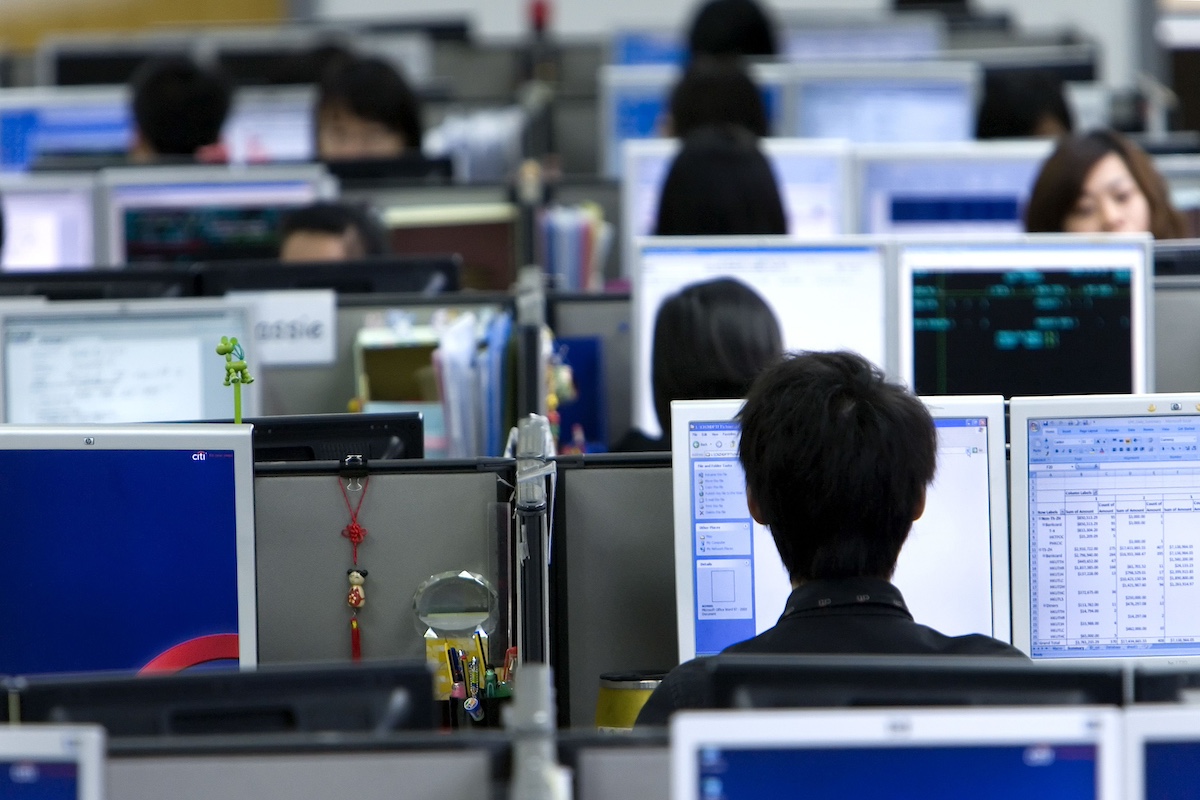
China’s economic and social landscape is undergoing a profound transformation, marked by a growing sense of disillusionment among its youth. While the country projects an image of strength and technological prowess on the global stage, the domestic reality paints a starkly different picture. Influencers like Hasan Piker have lauded China’s blend of consumer abundance and state-controlled economy, but for ordinary citizens, the narrative is one of quiet desperation. Concerns over unemployment, stagnant wages, and rising living costs dominate conversations, both online and offline. The phrase ‘wai qiang, zhong gan’—outwardly strong, inwardly brittle—has emerged as a poignant descriptor of the nation’s current state. Young people, in particular, bear the brunt of these challenges. Despite their relentless pursuit of education and grueling work hours, many find themselves trapped in a stagnant job market, unable to secure white-collar positions or achieve financial stability. The real estate market, once a cornerstone of household wealth, has been in freefall since 2021, eroding savings and exacerbating economic anxiety. Meanwhile, government policies aimed at bolstering global influence and industrial dominance have led to ‘involution’—a phenomenon of excessive competition that drives down profits and productivity. This has further strained the mental health of young people, with rising rates of anxiety and depression. The government’s crackdown on ‘excessively pessimistic’ social media content underscores its awareness of public discontent. As China grapples with these internal challenges, the once-promising ‘Chinese Dream’ has morphed into a Sisyphean struggle for survival.