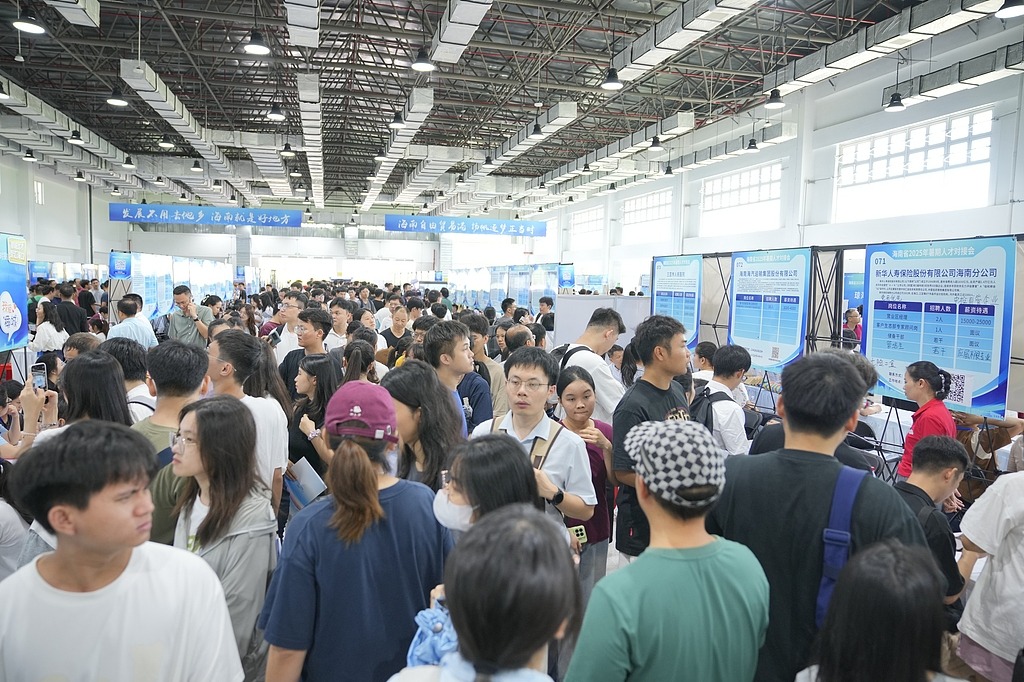
China’s labor market demonstrated remarkable stability throughout 2025, achieving an annual average urban unemployment rate of 5.2% according to official data released by the National Bureau of Statistics (NBS) on January 19, 2026. The December figures showed further improvement at 5.1%, maintaining consistency across 31 major metropolitan centers including Beijing and Shanghai.
The migrant workforce, a critical component of China’s economic engine, expanded to approximately 301.15 million workers—marking a modest increase of 1.42 million (0.5%) from 2024 levels. This growth occurred despite global economic headwinds and domestic demographic challenges.
Labor market analysts attribute this stability to comprehensive government policies targeting employment security, particularly through support for small and medium enterprises and vocational training initiatives. The consistent performance across major urban centers suggests balanced regional development in employment opportunities.
The NBS report indicates successful navigation of economic transitions while maintaining social stability through employment preservation. The data reflects China’s strategic focus on job creation as a cornerstone of its economic planning, with particular attention to urban employment metrics as key indicators of social and economic health.