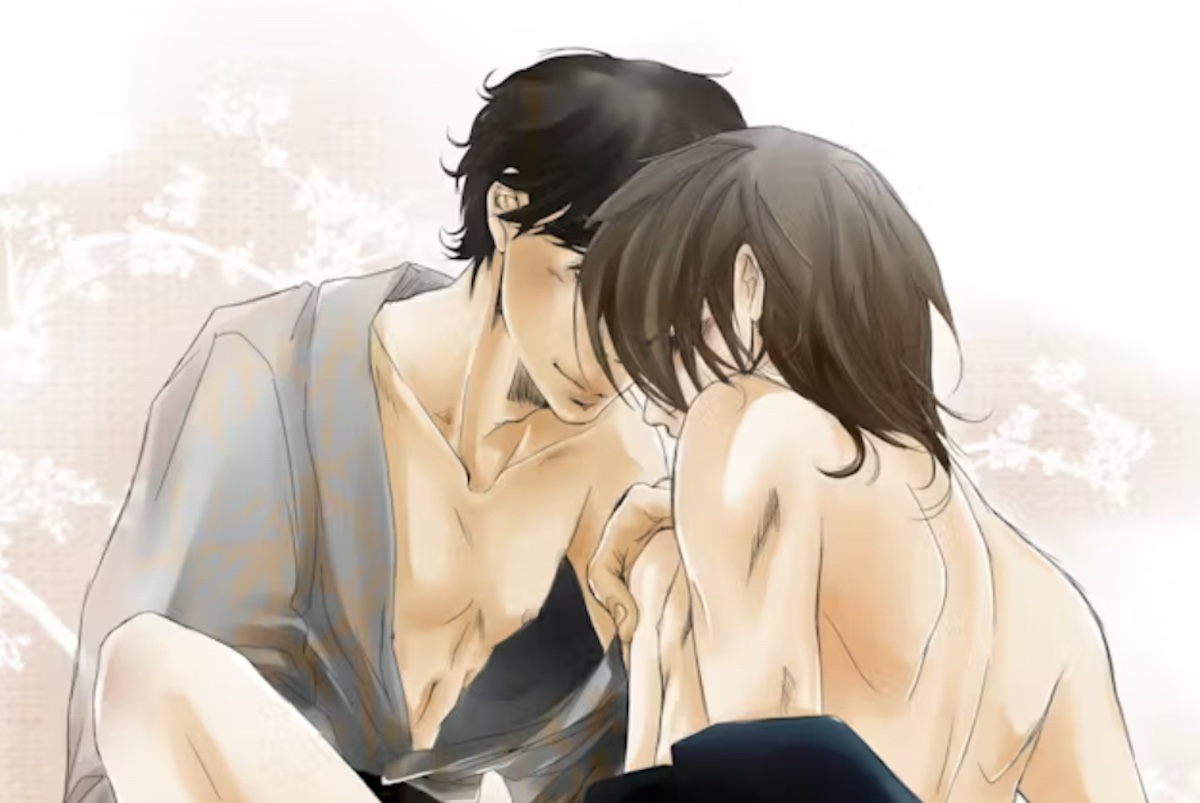
Recent reports in Western media have painted a dramatic picture of China’s alleged ‘crackdown’ on the ‘boys’ love’ (BL) genre, a popular form of online fiction. However, a closer examination reveals a more nuanced reality. While Western outlets have framed the issue as a nationwide suppression of ‘gay erotica,’ Chinese media, such as the respected Southern Weekly, have highlighted localized law enforcement actions, particularly in Lanzhou and Jixi county, targeting individuals accused of profiting from obscene material. The narrative of a sweeping crackdown appears exaggerated, as these incidents are not representative of a broader national policy. Instead, they reflect specific legal disputes and jurisdictional challenges. The BL genre, which features romantic or erotic relationships between men, is primarily written by and for heterosexual women, complicating the characterization of it as ‘gay erotica.’ Scholars argue that the genre often presents an idealized version of male homosexuality, distinct from the lived experiences of gay men. In China, the genre’s popularity has inadvertently increased visibility for the LGBTQ+ community, but its conflation with homosexuality has also led to misunderstandings. The arrests of BL writers are more likely tied to China’s strict obscenity laws and its efforts to regulate the lucrative online literature industry, which generates billions in revenue. While Western media often portrays such actions as homophobic, the reality is more complex, involving economic, ideological, and legal factors. The disappearance of high-profile cases from public discourse further underscores the challenges of understanding censorship in China.