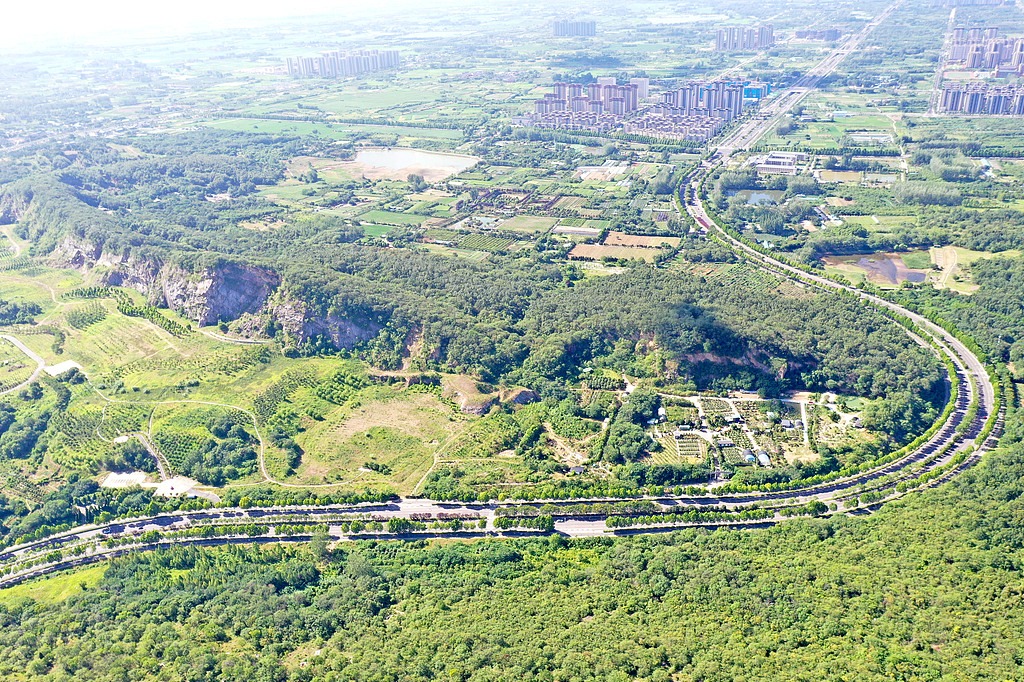
China has achieved remarkable success in its environmental rehabilitation efforts, having restored 223,333 hectares of historically abandoned mining sites between 2021 and 2025—surpassing its Five-Year Plan target by an impressive 20 percent margin. The Ministry of Natural Resources announced these accomplishments on January 15, 2026, highlighting the nation’s commitment to ecological recovery.
Throughout this five-year period, China established 68 specialized pilot projects dedicated to mine restoration across the country. These initiatives employed an innovative collaborative framework combining central government guidance, local implementation, and active social participation to address long-standing environmental challenges.
The comprehensive restoration program yielded substantial environmental benefits: rehabilitation of more than 18,000 abandoned mining sites, elimination of approximately 7,000 geological safety hazards, treatment of over 16,667 hectares of unstable slopes and mining pits, creation of 1,733 hectares of new agricultural and orchard land, and addition of 10,000 hectares of new forest, grassland, and wetland ecosystems.
These extensive rehabilitation efforts have dramatically improved both ecological conditions and quality of life in formerly degraded mining regions while significantly enhancing the utility value of land previously damaged by extractive industries. China’s ambitious restoration program addresses a substantial legacy of mining impacts, with a 2021 nationwide survey having identified 420,000 hectares of historical mines requiring rehabilitation due to the country’s extensive mineral resources and long development history.