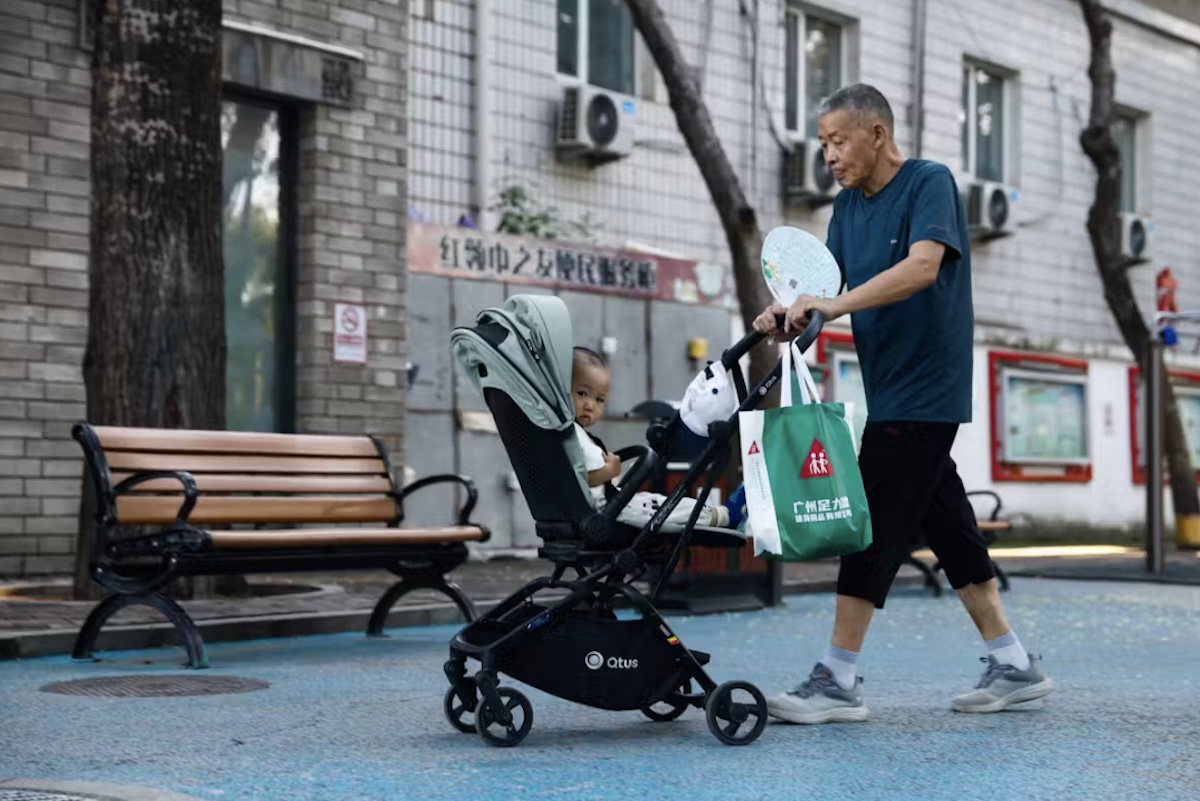
In a significant move to combat China’s declining birth rate, the central government announced a new childcare subsidy on July 28, 2025. Families will receive 3,000 yuan ($417.76) annually for each child under three years old. This initiative follows the recent unveiling of plans to provide free preschool education nationwide, marking a shift from previous years when local authorities primarily handled such policies. Despite various local efforts, including cash incentives and housing subsidies, the national birth rate has continued to decline, with China’s population shrinking for the third consecutive year in 2024. The aging population and shrinking workforce pose long-term challenges for economic growth, healthcare, and pension systems. While some regions have seen slight increases in birth rates due to local policies, the overall impact remains minimal. The high cost of raising children, gender inequality, and structural issues like expensive housing and childcare shortages continue to deter many from starting families. The new measures reflect Beijing’s recognition of the urgency of the situation, but reversing the fertility decline may prove difficult, as seen in other countries like South Korea. To truly address the issue, comprehensive cultural and structural changes are needed, alongside financial support.