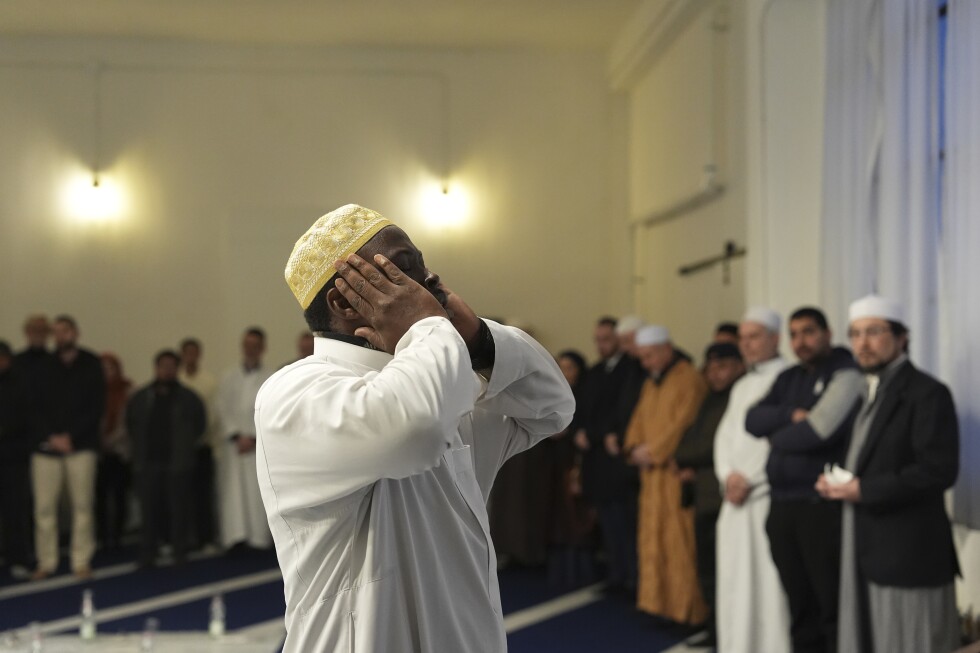
The convergence of the 2026 Winter Olympics in Italy with the holy month of Ramadan has created a unique intersection of global sports and religious observance. As athletes and visitors gather in the historically Catholic nation, Muslim communities in both host cities are demonstrating diverse approaches to maintaining their spiritual practices during this sacred period.
In multicultural Milan, Islamic centers have embraced the Olympic spirit through interfaith engagement. The Al-Wahid mosque, officially recognized as a place of worship since 2000, has opened its doors to people of all faiths during Ramadan. The mosque hosts weekly iftar dinners and evening prayers, welcoming guests from municipal institutions, Catholic churches, and other religious communities through March 14th—the day before the Paralympics conclude.
Imam Yahya Pallavicini, vice president of the Italian Islamic Religious Community (COREIS), emphasized the symbolic significance of the Games: “Sport, culture and art can help reduce prejudice and fear toward a particular culture or religious identity.”
The demographic landscape underscores this interfaith dynamic. According to Milan-based research institute ISMU, approximately 400,000 Muslims reside in Lombardy, Italy’s largest immigrant population region. The community includes people from Morocco, Egypt, Bangladesh, Pakistan, and Bosnia, among other nations.
In contrast, the mountain host city of Cortina d’Ampezzo presents different challenges for Muslim observance. At an elevation of 1,220 meters, this upscale resort town of 5,000 residents offers limited prayer spaces. Muslim visitors and workers report significant difficulties finding places to worship, with the nearest mosque located in Brunico—over an hour away on difficult roads.
Rabah Boubegtiten, an Algerian-born driver working with Qatari security, expressed the community’s frustration: “They look everywhere to find a place to pray, but it’s almost impossible.” While interfaith prayer rooms are available at athlete villages, they remain inaccessible to the general public.
The broader Italian context reveals evolving religious demographics. While approximately 75% of Italy’s 59 million people identify as Catholic, regular church attendance has declined significantly. Meanwhile, Muslims now number 1.7 million, accounting for over 30% of the foreign resident population for the first time.
This demographic shift occurs against a political backdrop of increased right-wing, anti-immigrant sentiment. Prime Minister Giorgia Meloni’s government has pledged stricter migration controls since taking office in 2022. However, Pallavicini notes that Italy’s Muslim population now includes growing numbers of second-generation Italian Muslims, converts, and native-born citizens alongside migrants.
The personal stories illustrate this transformation. Amina Croce, 28, raised by Italian Catholic parents who converted to Islam, represents the emerging face of Italian Islam. As leader of COREIS’s youth division, she views religious diversity as part of Europe’s historical fabric: “We believe this diversity is part of Italy’s broader cultural heritage. It may still be underappreciated, but we hope it will be recognized more in the future.”