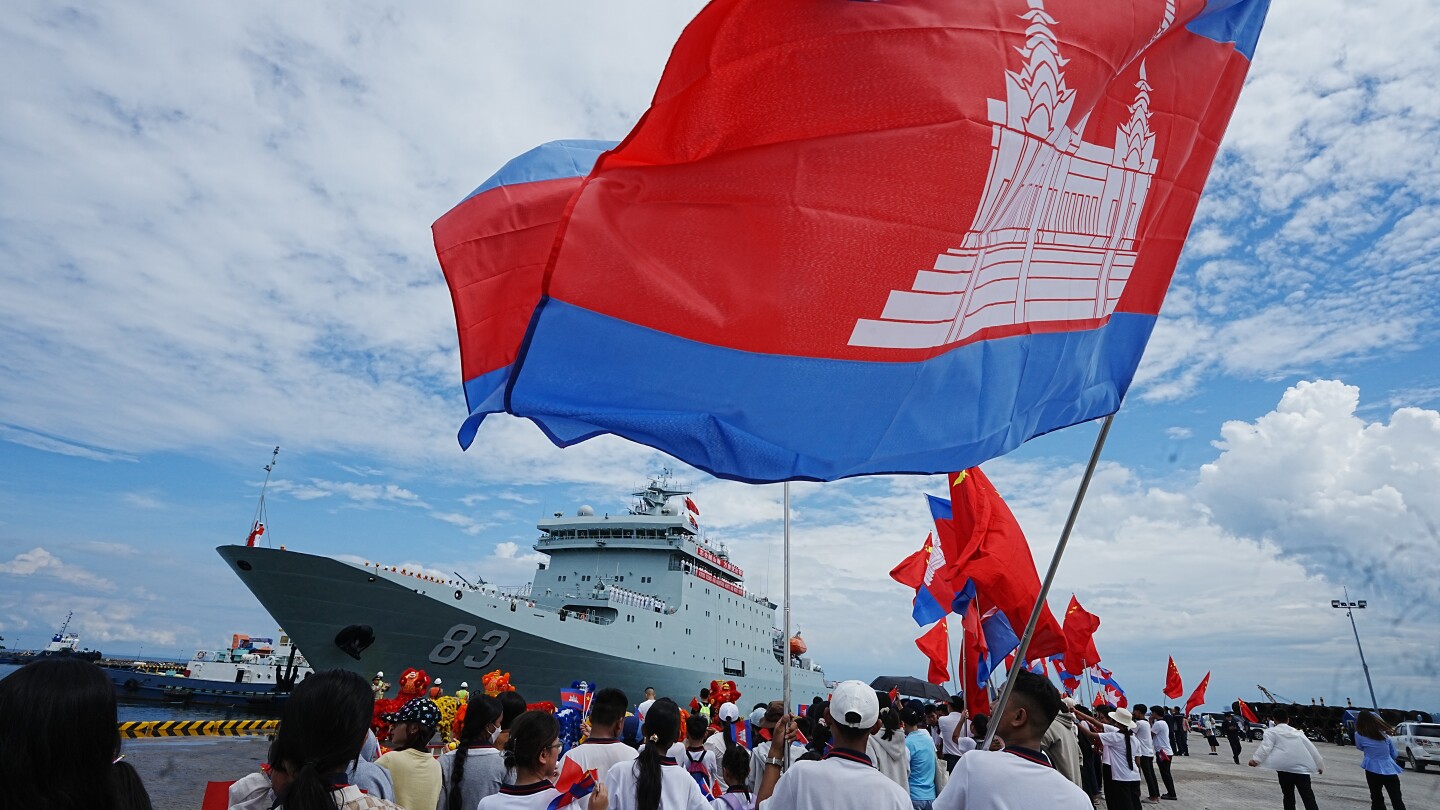
Two Chinese warships, the amphibious warfare ship Yimeng Shan and the training ship Qijiguang, arrived at Sihanoukville’s civilian port in Cambodia on Friday for a friendship and training visit. This visit underscores China’s strategic ties with Cambodia, its closest ally in Southeast Asia, amidst ongoing regional tensions. The warships are scheduled to depart next Tuesday and will subsequently visit Thailand and Singapore. The visit coincides with heightened diplomatic sensitivities, particularly between Cambodia and Thailand, which recently engaged in a five-day armed conflict over border disputes. China’s military support to Cambodia has reportedly caused friction with Thailand, and the unresolved border issues continue to strain relations. Cambodian navy spokesperson Sam Sokha emphasized that the visit aims to strengthen cooperation rather than signal support in the border dispute. Notably, the ships docked at a commercial port instead of the nearby Ream Naval Base, a move seen as an effort to ease political concerns. The Ream Naval Base has been a point of contention, with U.S. suspicions that China has secured exclusive access, a claim denied by Cambodian officials. The Gulf of Thailand, where Sihanoukville is located, is adjacent to the South China Sea, a region of strategic importance for China’s naval operations. Rear Adm. In Sokhemra of the Ream Naval Base highlighted that foreign ships frequently visit Cambodia for cooperative exercises, including those from China, the Philippines, Australia, and the United States. On the same day, the Australian Navy’s frigate HMAS Ballarat also docked nearby, part of its Regional Presence Deployment aimed at fostering regional security and cooperation. China’s Ambassador to Cambodia, Wang Wenbin, reiterated China’s commitment to supporting Cambodia’s sovereignty and development. The visit was met with enthusiasm from local ethnic Chinese communities, who welcomed the ships with traditional dragon dances and Chinese flags. Sihanoukville, a hub for Chinese investment, has also been associated with Chinese-run criminal activities, including scam centers exploiting foreign workers.
分类: world
-
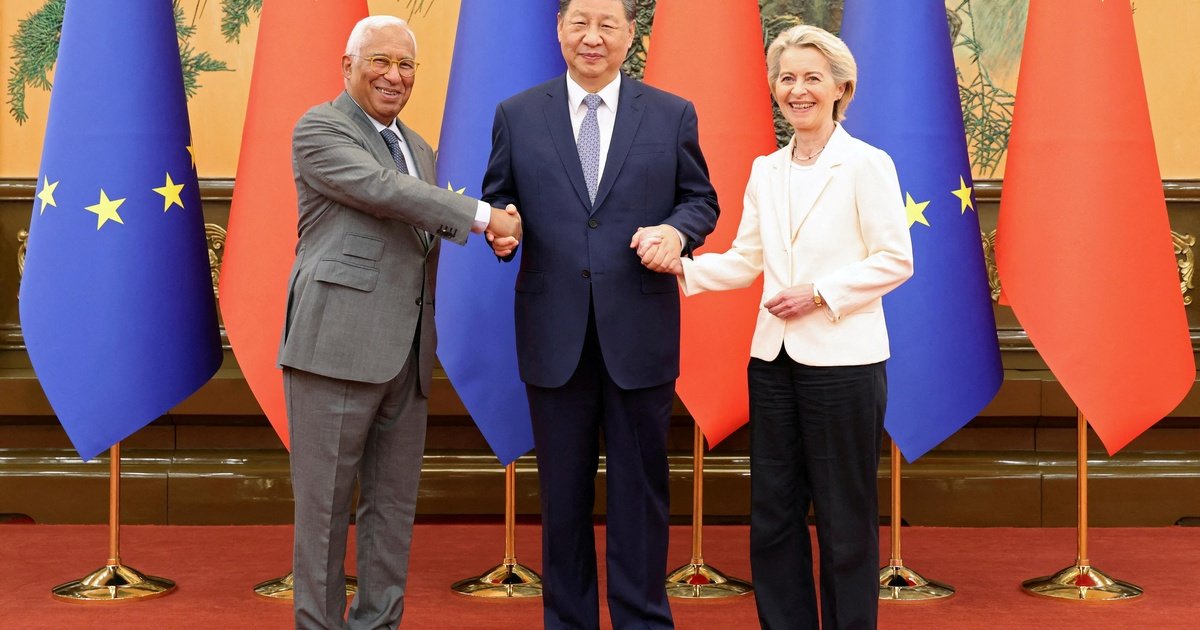
Midlife crisis as EU relationship with China turns 50?
The 50th anniversary of diplomatic relations between the European Union (EU) and China has underscored the deepening rifts between the two powers on critical issues of security and trade. At a July summit commemorating the milestone, the EU urged China to cease its support for Russia’s invasion of Ukraine and halt the influx of subsidized exports into European markets. China, however, rejected these demands, leaving the relationship at an impasse. Bridging these divides would require significant concessions from either side—either the EU compromising its security and economic interests or China altering its alliance with Russia and its trade policies. Neither scenario appears likely in the near future.
-
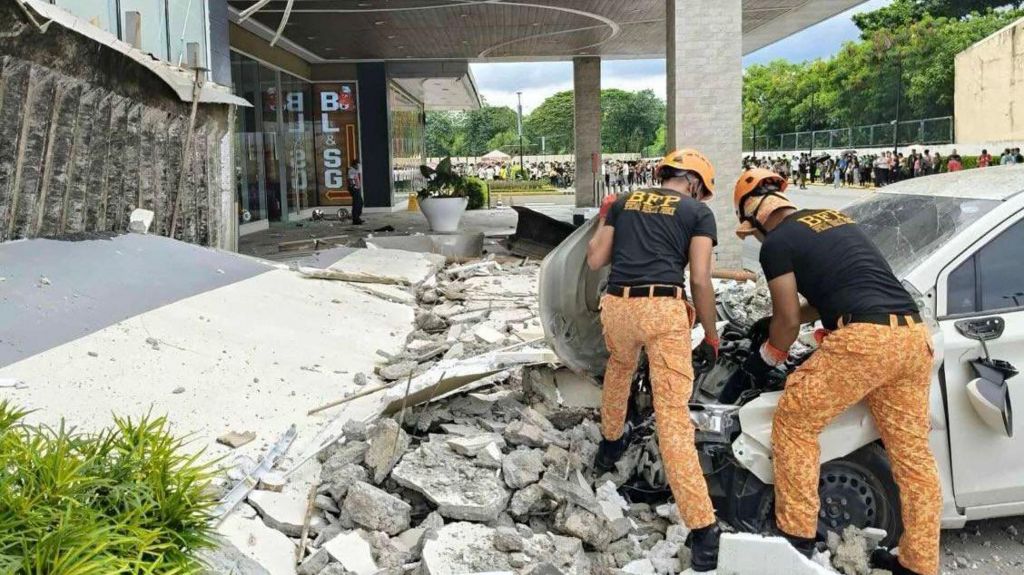
Strong 7.4 magnitude quake hits southern Philippines
A powerful 7.4 magnitude earthquake struck off the southern coast of the Philippines on Friday, prompting immediate tsunami warnings from both Philippine and Indonesian authorities. Residents in coastal towns across central and southern regions were urgently advised to evacuate, with fears of waves exceeding one meter above normal tide levels. The quake resulted in at least one fatality, widespread power outages, and the suspension of classes in affected areas. This seismic event follows closely on the heels of a 6.9 magnitude earthquake in Cebu province just over a week prior, which claimed 74 lives and left hundreds injured. Local media captured scenes of chaos, with overhead cables swaying violently and vehicles coming to a halt as the ground shook. In Davao City, near the epicenter, hospitals overflowed into parking lots as medical staff treated patients outdoors. Edwin Jubahib, governor of Davao Oriental province, reported significant building damage and described the quake as ‘very strong.’ Richie Diuyen, a local disaster agency worker, recounted the terror of the moment, stating, ‘I am still scared and shook. This was the first time I have experienced that.’ The Philippines, situated on the volatile ‘Ring of Fire,’ has been grappling with a series of natural disasters, including typhoons, volcanic eruptions, and earthquakes. Dr. Teresito Bacolcol, director of the Philippine volcanic agency Phivolcs, emphasized the need for preparedness, urging Filipinos to ‘accept our reality’ and remain vigilant. While the Pacific Tsunami Warning Center later declared the threat had passed, aftershocks continued to rattle the southern region of Mindanao. In Indonesia, minor tsunamis were detected, with the highest wave reaching 17cm in the Talaud Islands. Authorities in both nations have called for calm and advised residents to avoid damaged structures.
-
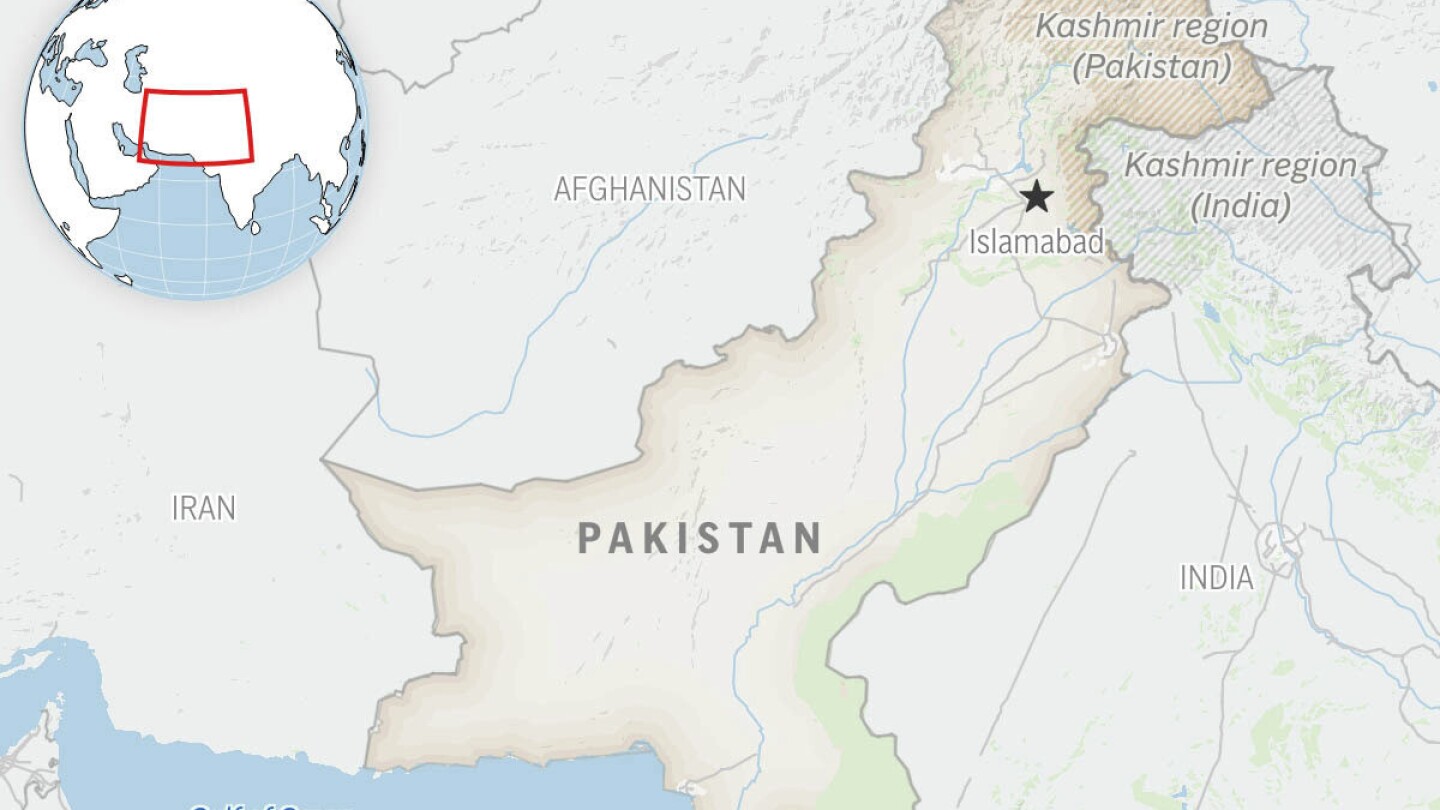
Pakistani forces kill 30 militants after deadly ambush that killed soldiers in country’s northwest
Pakistani security forces have conducted a series of targeted operations in the northwestern region, resulting in the deaths of 30 militants linked to the Pakistani Taliban, according to a military statement released on Friday. The raids were launched in response to a deadly ambush earlier this week that claimed the lives of 11 soldiers, including two senior officers, in Orakzai, a district within Khyber Pakhtunkhwa province. The military identified the slain militants as members of “Khwarij,” a term used by the government to describe groups allegedly supported by India, including the banned Tehrik-e-Taliban Pakistan (TTP).
The operations, carried out on Wednesday and Thursday, were described as a decisive response to the ambush. “These successful operations have avenged the heinous act and brought the main perpetrators to justice,” the military stated. It further emphasized that efforts are ongoing to eliminate any remaining “Indian-sponsored Khwarij” in the area, underscoring Pakistan’s resolve to eradicate terrorism.
In a separate incident on Friday night, a group of Pakistani Taliban militants, including suicide bombers, attacked a police training center in Dera Ismail Khan, another city in the northwest. Local police reported multiple blasts and an ongoing exchange of gunfire, with reinforcements dispatched to the scene. The TTP claimed responsibility for the attack, which occurred hours after Pakistan’s army spokesperson, Lt. Gen. Ahmad Sharif, urged Afghanistan’s Taliban government to prevent the use of its territory for launching attacks on Pakistan.
Pakistan has long accused India of supporting separatist movements in Balochistan and the TTP, allegations India denies. The recent surge in militant violence has strained relations between Pakistan and Afghanistan, with many TTP leaders believed to operate from sanctuaries across the Afghan border. Pakistani Defense Minister Khawaja Mohammad Asif reiterated the country’s commitment to responding decisively to such attacks, stating that Pakistan would target “those places from where insurgents attack our security forces.”
The escalation in violence comes amid a broader resurgence of militant activity in the region, with the TTP gaining momentum since the Taliban’s takeover of Kabul in 2021. The situation remains tense as Pakistani forces continue their operations to neutralize threats and restore security.
-
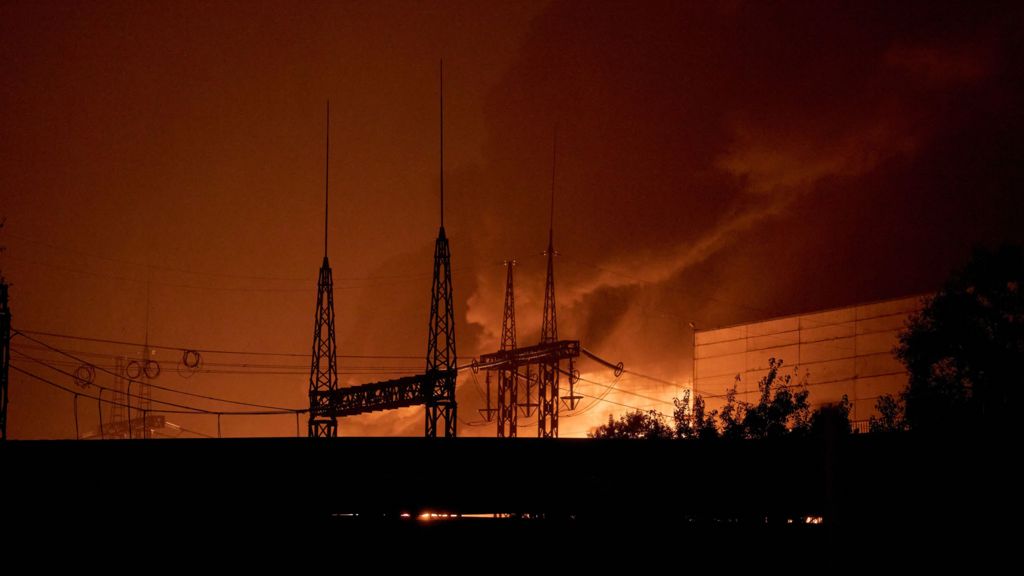
Major Russian strikes cut power across Kyiv
In a significant escalation of hostilities, Russian missile and drone strikes have targeted Ukraine’s energy facilities, leading to widespread power outages and civilian casualties. Overnight attacks in Kyiv left nine people injured, with five requiring hospitalization, according to Mayor Vitali Klitschko. Residents in eastern districts faced prolonged darkness and disruptions to water supplies. Meanwhile, in the Zaporizhzhia region, a seven-year-old child was killed, and three others were injured in a separate drone strike. Regional head Ivan Fedorov reported intense attacks in the area, which has been under Russian control for some time. Ukrainian President Volodymyr Zelensky accused Moscow of deliberately targeting the country’s energy grid to create chaos and exert psychological pressure. Energy Minister Svitlana Hrynchuk confirmed that repair crews are working to restore power after a ‘massive strike’ on facilities nationwide. The attacks have also damaged apartment buildings, with images released by Ukraine’s state emergency services showing firefighters battling blazes at a 10-story structure. The entire country remains on high alert for hypersonic Kinzhal missile strikes, which are harder to detect. Zelensky warned that Russia’s strategy aims to dismantle Ukraine’s energy infrastructure, with gas facilities already disrupted. Authorities and energy workers are preparing for further assaults as the conflict intensifies.
-

Russian strikes wound at least 20 in Ukraine’s capital as child is killed in separate attack
In a devastating escalation of hostilities, Russian drone and missile strikes early Friday inflicted significant damage across Ukraine, leaving at least 20 people wounded and causing widespread power outages. A child was tragically killed in separate attacks in the southeastern region, underscoring the grim toll of the ongoing conflict. In Kyiv, the Ukrainian capital, rescue teams worked tirelessly to evacuate over 20 individuals from a 17-story apartment building engulfed in flames, with five requiring hospitalization. Ukrainian President Volodymyr Zelenskyy condemned the attacks, accusing Moscow of targeting civilian infrastructure in retaliation for its battlefield setbacks. ‘They can show nothing on the battlefield. All they can do is attack our power sector and our cities,’ Zelenskyy stated. The strikes, described by Prime Minister Yuliia Svyrydenko as ‘one of the largest concentrated strikes’ against Ukraine’s energy infrastructure, disrupted power in Kyiv and multiple regions, including Sumy, Kharkiv, and Zaporizhzhia. Russia’s Defense Ministry claimed the attacks targeted energy facilities supplying Ukraine’s military, utilizing Kinzhal hypersonic missiles and strike drones. Meanwhile, Ukraine’s air force reported intercepting or jamming 405 drones and 15 missiles out of a barrage of 465 drones and 32 missiles. The relentless assault on Ukraine’s power grid, a recurring tactic by Russia ahead of winter, aims to undermine public morale. Zelenskyy, buoyed by recent diplomatic progress in the Middle East, called for enhanced international support, including advanced weaponry, to bolster Ukraine’s defenses and counter Russian aggression.
-

Deity dolls and people power: Africa’s top shots
This week’s collection of photographs from across Africa and beyond offers a vivid tapestry of cultural celebrations, social movements, and everyday life. In Benin, the Twins Festival in Ouidah saw believers bringing dolls of deities associated with twins, known as hoxo, to honor the occasion. Meanwhile, in Senegal, children diligently cleaned classrooms in a Dakar suburb, preparing for the new school year. Ethiopia’s Oromo community celebrated Ireecha, a thanksgiving festival, in Addis Ababa, showcasing their rich traditions. In Kenya, Dogtoberfest brought together dog owners and their furry companions for a day of festivities in Nairobi. South African choreographer Mthuthuzeli November, who began ballet at 15, was photographed at France’s Opera Bastille, highlighting his remarkable journey. Mali’s Mariam Doumbia, mourning the loss of her husband and musical partner Amadou Bagayoko, participated in a photoshoot in France. In Libya, women adorned their finest attire for the opening of a new sports club in Benghazi. Egypt’s el-Shorouk mosque provided a stunning backdrop for a full moon, while men in eastern Egypt engaged in a traditional horseback game called al-Marmah. However, not all scenes were celebratory; in northern Egypt, children climbed the remains of their flood-damaged homes, a stark reminder of the challenges faced by residents in the Nile delta. Cameroon’s national football team’s victory was celebrated with patriotic fervor in Yaoundé, while Madagascar’s Gen Z Mada protest movement, symbolized by the One Piece anime logo, continued to demand the president’s resignation. Similar discontent was evident in Morocco, where the Gen Z 212 movement gained momentum. Seychellois cast their votes in a crucial presidential run-off, and Tunisia’s capital hosted an annual handicrafts fair, showcasing the skills of local artisans. In South Africa, canoeists enjoyed the serene waters of Johannesburg’s Emmarentia Dam at sunrise. These images, captured by talented photographers, provide a window into the diverse and dynamic realities of life across the African continent.
-
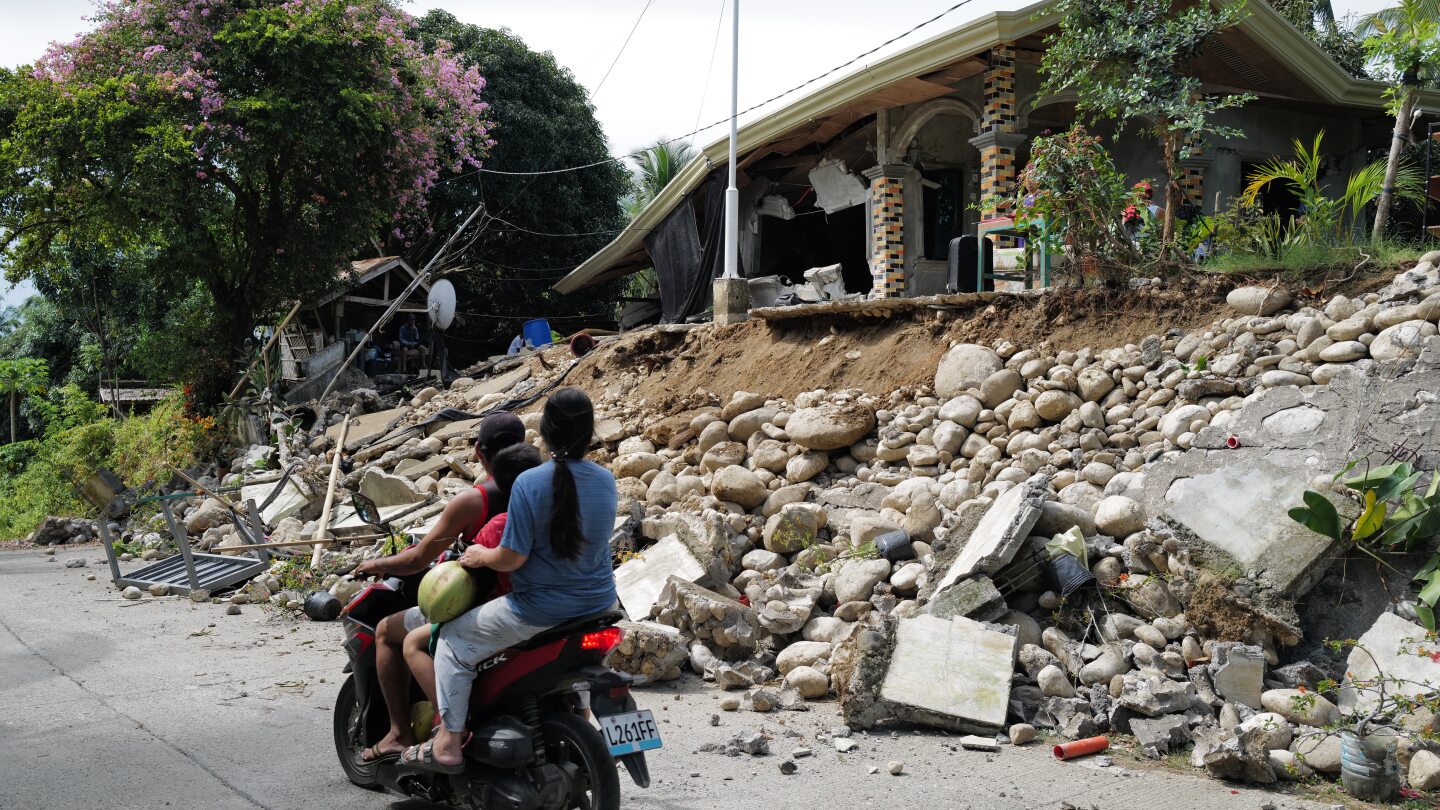
Two powerful quakes strike off southern Philippines, killing at least 7 people
The southern Philippines was struck by two powerful offshore earthquakes on Friday, causing significant damage, casualties, and widespread panic. The first earthquake, measuring 7.4 in magnitude, occurred in the Philippine Trench, 43 kilometers east of Manay town in Davao Oriental province. It resulted in at least seven fatalities, including two hospital patients who succumbed to heart attacks and a resident killed by debris in Mati city. The quake also triggered landslides in a remote gold-mining village in Pantukan town, where three villagers died and several others were injured. Hundreds of residents in Davao city sustained injuries, and buildings, including an international airport, suffered structural damage. Hours later, a second earthquake with a preliminary magnitude of 6.8 struck the same region, raising fears of further structural collapse. Both quakes prompted tsunami warnings, leading to evacuations in coastal areas. Small tsunami waves were detected in the Philippines and Indonesia, but the threat subsided without major incidents. President Ferdinand Marcos Jr. has mobilized rescue and relief efforts as the nation grapples with the aftermath of these disasters, compounded by recent storms and a deadly earthquake in September.
-

Oman: 8 killed, 2 injured in major traffic accident
A devastating traffic accident in Oman’s Wilayat of Duqm has resulted in the deaths of eight individuals and left two others injured, according to a statement released by Oman’s Ministry of Health on Thursday. The collision involved two vehicles, marking one of the most severe road incidents in the region this year. In a related development, Oman Police announced the arrest of an individual of Asian nationality for recording a video of the crash. Authorities stated that the video depicted the bodies of the victims, prompting legal action against the individual. The incident has sparked discussions about road safety and the ethical implications of recording such tragic events. The police have not disclosed further details about the accident’s cause or the identities of those involved, but investigations are ongoing.
-

Paragliders: The army’s lethal new weapon in Myanmar’s civil war
In a chilling escalation of Myanmar’s ongoing civil war, paramotor attacks have surged in recent months, transforming these low-tech aerial devices into instruments of terror. The latest incident occurred during a Thadingyut festival in Chang U township, Sagaing region, where nearly 100 people had gathered to celebrate the full moon and protest against the military junta. The festive atmosphere turned to horror as a paramotor—a motorized paraglider—dropped bombs on the crowd, killing at least 26 people and injuring dozens more. Witnesses described the attack as ‘mass murder,’ with one survivor recounting the trauma of believing his lower body had been severed. This attack is part of a broader pattern of paramotor strikes that have become a grim hallmark of Myanmar’s conflict. These devices, which can carry up to 160kg of payload, including 120mm bombs, are cheap, easy to operate, and require minimal pilot training. Their low-altitude flight capability allows them to strike with precision, often under the cover of darkness. Military sources reveal that paramotors are produced at Myanmar’s state-owned Heavy Industry Number 10, making them a cost-effective alternative to conventional aircraft. However, their slow speed, vulnerability to ground fire, and inability to operate in severe weather limit their effectiveness. Despite these drawbacks, their use reflects the junta’s strategy of low-cost aerial dominance amid resource constraints. The conflict, which began with a military coup in 2021, has displaced millions and claimed thousands of lives. China’s increasing support for the junta, including arms sales and drone technology, has further complicated the situation. As paramotor attacks target civilian gatherings, the humanitarian crisis deepens, leaving residents with few defenses beyond makeshift bunkers. This new wave of terror underscores the evolving nature of warfare in Myanmar, where innovation meets brutality.