
In a significant move to bolster regional security, Ukraine and Poland have announced a joint initiative to counter drone threats, following a recent incursion of Russian drones into Polish airspace. Ukrainian Defence Minister Denys Shmyhal revealed the collaboration during a press conference in Kyiv on Thursday, alongside his Polish counterpart, Wladyslaw Kosiniak-Kamysz. The partnership will focus on training Polish troops and engineers in advanced drone interception techniques, leveraging Ukraine’s expertise in combating massed Russian drone attacks. Shmyhal emphasized that the training would encompass the entire ‘ecosystem’ of drone defense, from electronic jamming to deploying interceptor drones. Ukraine will also share its systems for tracking Russian aerial targets with Poland, enhancing early detection capabilities. The joint exercises will take place at a training ground in Lipa, southern Poland. This initiative comes after more than 20 Russian drones entered Polish airspace on September 9-10, prompting NATO jets to intercept them. While Russia claimed the drones were targeting Ukraine, the incident has heightened concerns in Warsaw about Moscow’s intentions. Ukraine’s layered defense system, which includes interceptor drones, heavy machine guns, and electronic warfare, has proven effective against Russian drone swarms, offering a cost-efficient solution compared to traditional missile interceptions.
分类: world
-
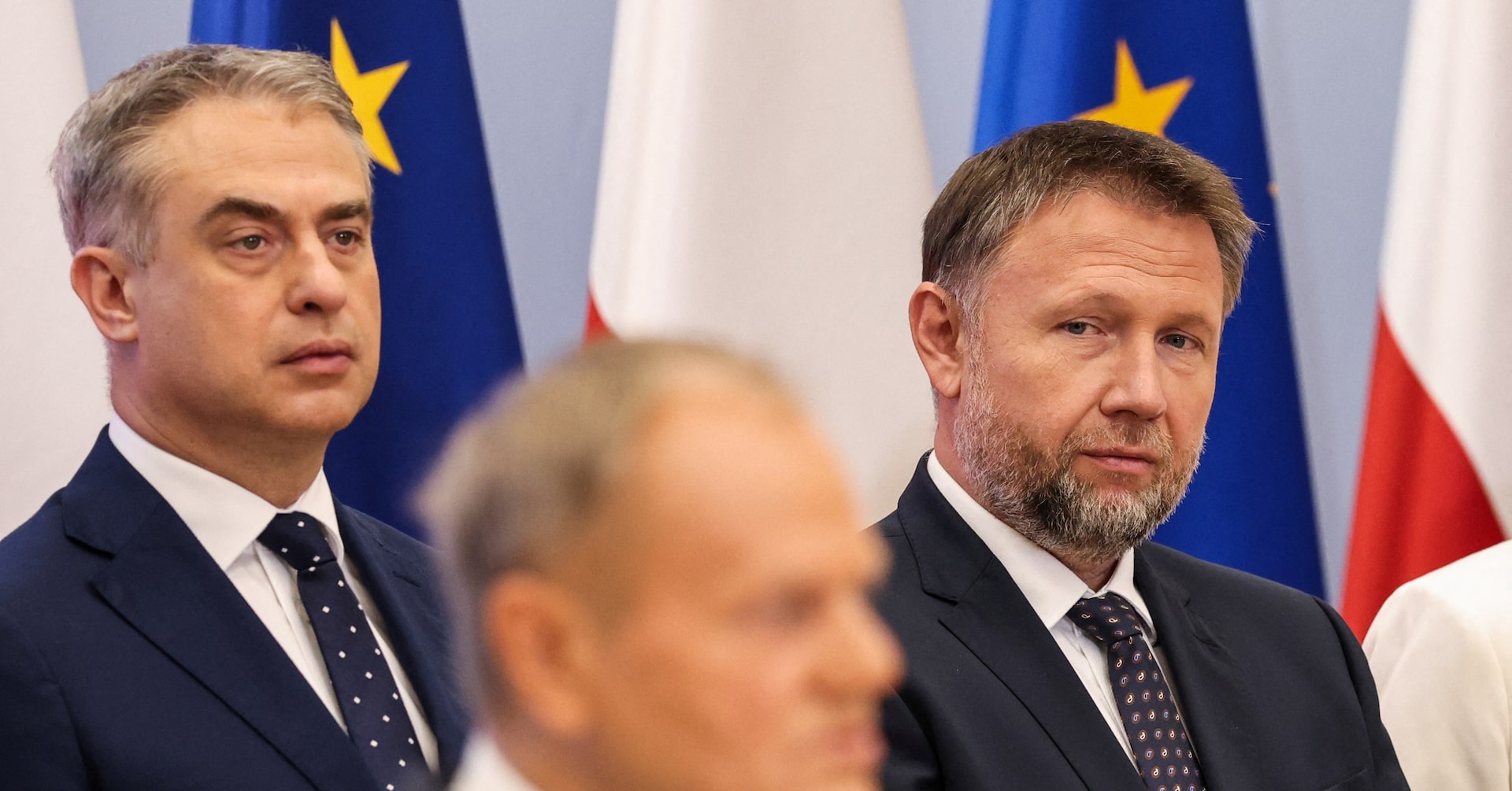
Poland reports increased drone activity near Belarus border
Poland has reported a surge in drone activity near its border with Belarus, intensifying tensions in the region. The announcement came on Thursday, September 18, 2025, following the closure of several border crossings due to ongoing military exercises involving Belarus and its ally, Russia. The ‘Zapad’ (West) war games, which concluded recently, had already raised alarms when approximately 21 Russian drones breached Polish airspace on September 9-10. Interior Minister Marcin Kierwinski, who assumed office in July 2025, stated that the border would remain closed until the situation stabilizes. ‘Last night, the Border Guard observed increased activity by Belarusian and Russian drones attempting to cross Polish airspace,’ Kierwinski said. ‘The situation on the Polish-Belarusian border remains very, very tense.’ While no Polish intervention or drone shootdowns were reported, the heightened activity underscores the strained relations between Poland and Belarus. Belarus has deepened its alliance with Russia, particularly since Moscow’s invasion of Ukraine, allowing Russian troops to transit through its territory. Poland, a staunch supporter of Ukraine, has already closed four of its six road border crossings with Belarus, along with three rail crossings for freight. The ongoing friction continues to strain regional security and diplomatic relations.
-

EU set to miss UN climate deadline amid internal divisions
In a significant development, European Union climate ministers are poised to confirm on Thursday that the bloc will fail to meet a global deadline for setting new emissions reduction targets. This delay stems from internal disagreements among EU governments, casting a shadow over the EU’s leadership in global climate action. The missed deadline could undermine the bloc’s credibility as it prepares to join other major powers at the United Nations General Assembly next week, where updated climate plans are expected to be presented ahead of the COP30 climate talks in November. While major emitters like China are anticipated to meet the deadline, and Australia has already announced its target, the EU’s internal discord highlights the challenges of aligning ambitious climate goals with economic and geopolitical realities. EU Climate Commissioner Wopke Hoekstra defended the bloc’s efforts, stating, “If you zoom out, you can find that we continue to be amongst the absolutely most ambitious on the global stage.” However, the EU’s inability to agree on new targets for 2035 and 2040 has sparked criticism. Germany, France, and Poland have called for further discussions on the 2040 goal at an October summit, delaying progress on both targets. As a temporary measure, EU ministers will attempt to draft a “statement of intent” outlining their climate ambitions. A draft of this statement, previously reported by Reuters, suggests the EU aims to reduce emissions by 66.3% to 72.5% by 2035. Despite the setback, the bloc remains committed to finalizing its 2035 target before COP30. Finnish Climate Minister Sari Multala emphasized, “It is hard for us to require the others, our international partners, to do the same if we don’t deliver ourselves.” The EU’s traditional role as a climate leader is under strain due to rising concerns over the costs of climate measures and competing priorities such as defense and industrial spending. Divisions among member states are further exacerbated by differing views on the European Commission’s proposal to cut net greenhouse gas emissions by 90% by 2040. While countries like Spain and Denmark advocate for stronger climate action, citing extreme weather events and energy security, others like the Czech Republic and Italy oppose the ambitious targets, citing potential harm to industries. This internal conflict underscores the complexities of balancing environmental goals with economic and political pressures in a rapidly changing world.
-

Taiwan’s spending bonanza draws more foreign firms to its largest arms show
Taiwan has launched its largest-ever arms exhibition, the Taipei Aerospace and Defence Technology Exhibition, showcasing a significant increase in participation from both domestic and international defense firms. The event, held biennially, has attracted 490 exhibitors across 1,500 booths, a substantial rise from the 275 exhibitors and 960 booths in 2023. This surge in interest comes as Taiwan ramps up its defense spending, aiming to allocate 5% of its GDP to military expenditures by 2030, up from the current 3.3% for next year. The heightened focus on defense is driven by escalating military pressure from China, which views Taiwan as part of its territory and has intensified its military drills and incursions into nearby areas. The United States, Taiwan’s primary arms supplier, has notably expanded its presence at the exhibition, with over 40 companies participating, double the number from two years ago. Karin Lang, deputy director of the American Institute in Taiwan, emphasized the importance of U.S.-Taiwan collaboration in addressing supply chain vulnerabilities, technological competition, and evolving security threats. The exhibition also highlighted Taiwan’s growing defense cooperation with the U.S., including the unveiling of its first jointly developed missile with a U.S. company. Additionally, Taiwan’s National Chung-Shan Institute of Science and Technology announced plans to sign agreements with U.S. and Canadian firms for advanced weaponry, such as anti-drone rockets and underwater surveillance drones. Major defense contractors like Lockheed Martin and Northrop Grumman are also prominent participants, reflecting the island’s strategic push to bolster its military capabilities amidst rising regional tensions.
-

Pope Leo plans to keep Francis’ key reforms but avoid bigger changes, he says
In his first major interview since assuming the papacy in May 2025, Pope Leo XIV emphasized his commitment to continuing the policies of his predecessor, Pope Francis, while steering clear of radical changes to Catholic doctrine. The interview, conducted in late July for a forthcoming biography, revealed Leo’s cautious approach to contentious global and ecclesiastical issues. The Pope, the first American to hold the position, reiterated Francis’ inclusive stance toward LGBTQ+ Catholics and women’s roles in the Church but stopped short of endorsing same-sex marriage or female ordination. He also addressed the Church’s ongoing sexual abuse scandals, stressing the need to support victims while acknowledging concerns about false allegations. On the international front, Leo expressed concern over the humanitarian crisis in Gaza but avoided labeling Israel’s actions as genocide. He also discussed the Vatican’s financial challenges, noting improvements but acknowledging lingering issues. Leo’s reserved style contrasts with Francis’ outspokenness, reflecting his focus on maintaining unity within the Church.
-
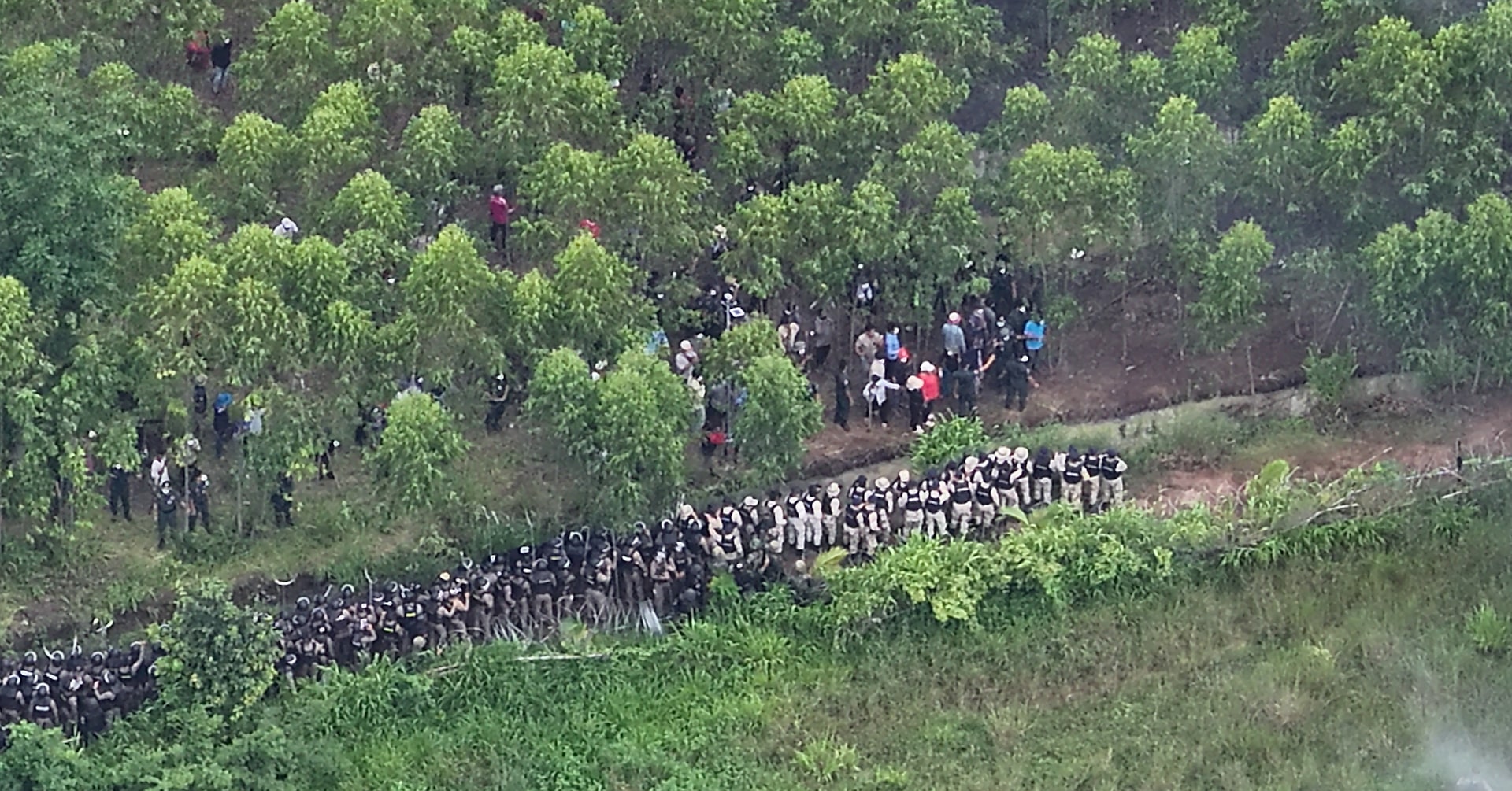
Thai police fire tear gas at Cambodian protesters at a disputed border village
A recent confrontation between Thai riot police and Cambodian civilians in a disputed border region has resulted in significant injuries and heightened tensions. On Wednesday, Thai authorities deployed tear gas and rubber bullets against Cambodian protesters, leaving at least 23 Cambodians injured, according to Cambodian officials. Thailand defended its actions, stating that the use of force was necessary to prevent disorder after Cambodian protesters allegedly dismantled Thai defensive barriers and attacked officials with sticks, stones, and slingshots. The clash occurred in an area claimed by both countries—Thailand identifies it as part of Ban Nong Ya Kaew village in Sa Kaeo province, while Cambodia asserts it belongs to Prey Chan village in Bantheay Meanchey province. This incident marks the most significant escalation since a ceasefire agreement in July ended a five-day border conflict that claimed 48 lives and displaced thousands. Cambodian Prime Minister Hun Manet has called for international support, urging ASEAN and global leaders to intervene and prevent further unilateral actions by Thailand. The U.S. government has also weighed in, urging both nations to de-escalate tensions and finalize terms for a long-term observer mission along the border. The dispute stems from a century-long disagreement over undemarcated points along the 817 km border, originally mapped by France in 1907. Both countries have erected barbed wire fences in the area, sparking weeks of protests from civilians on both sides.
-
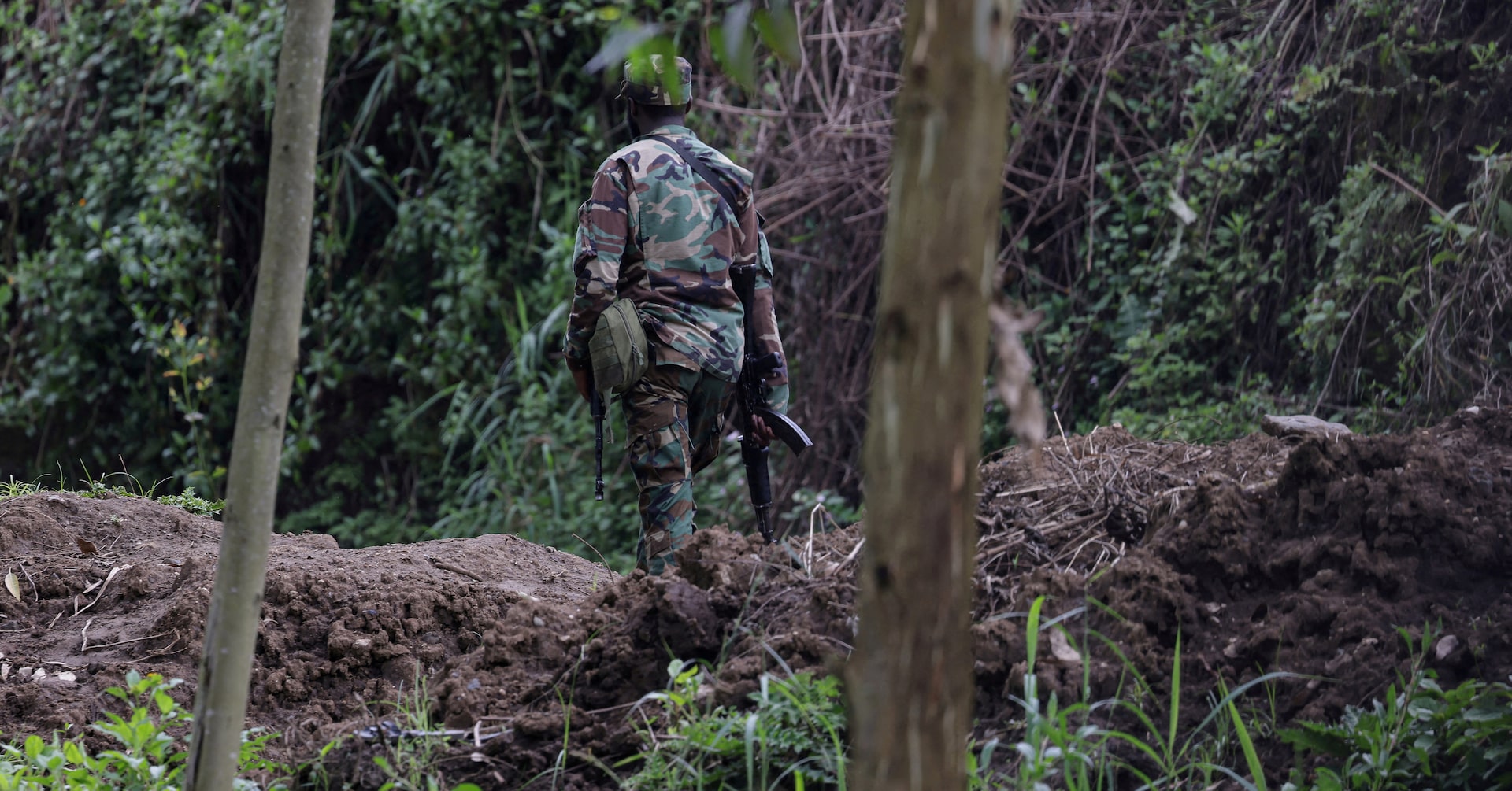
In Congo, army and rebels dig in for war Trump says is over
In the eastern Democratic Republic of Congo (DRC), the fragile peace process is unraveling as both the Congolese army and the Rwandan-backed M23 rebel group reinforce their military positions. This escalation comes amid missed deadlines for peace agreements brokered by the U.S. and Qatar, raising fears of a renewed regional conflict. The M23, which seized two major cities earlier this year, demands prisoner releases and power-sharing in the territories they control, while the Congolese government refuses to cede authority or release detainees.
-

Top Russian officer reports advances on all Ukrainian fronts
In a recent development in the ongoing conflict between Russia and Ukraine, General Valery Gerasimov, Chief of the General Staff of the Russian Armed Forces, asserted that Russian troops are advancing on multiple fronts in Ukraine. The Russian Defence Ministry reported that the heaviest fighting is concentrated around Pokrovsk, a key logistics hub in the Donetsk region. Gerasimov claimed that Russian forces are making significant progress in the Donetsk, Zaporizhzhia, and Dnipropetrovsk regions, as well as in the northeastern city of Kupiansk and the eastern town of Yampil. He emphasized that Ukrainian forces, despite deploying their most elite units, have been unable to halt the Russian advance. However, these claims contrast sharply with statements from Ukrainian President Volodymyr Zelenskiy and Ukrainian military officials. Zelenskiy, in an interview with Sky News, stated that recent Russian offensives have largely failed, with Ukrainian forces successfully repelling attacks near Pokrovsk and Kupiansk. A Ukrainian military spokesperson also reported that a Russian attempt to advance on Kupiansk resulted in numerous Russian soldiers being captured. The conflicting narratives highlight the ongoing intensity and complexity of the conflict, with both sides presenting divergent accounts of the battlefield situation.
-
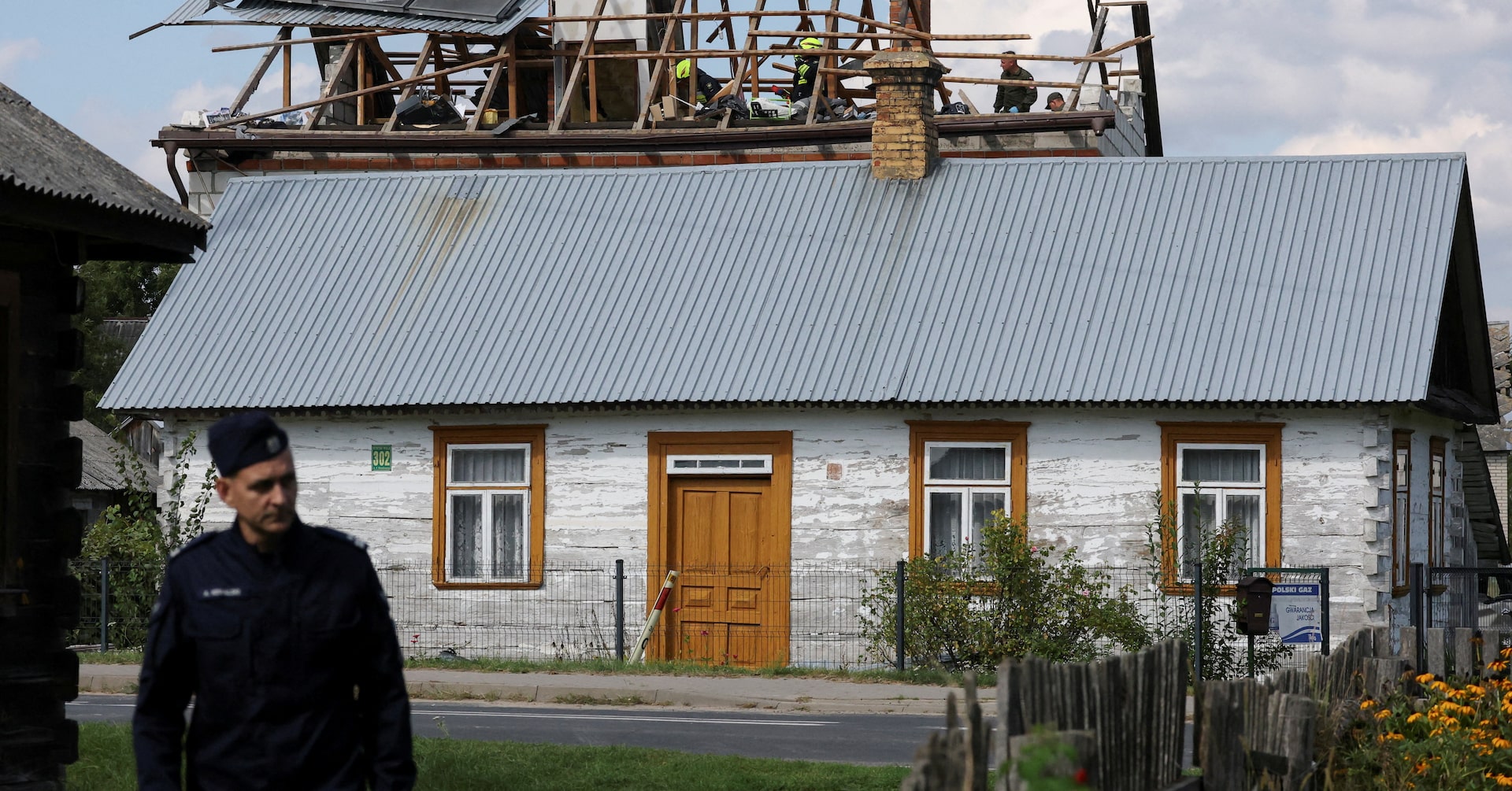
Polish missile likely hit house during Russian drone incursion, says minister
In a recent development that underscores the escalating tensions in Eastern Europe, a house in the village of Wyryki-Wola, Lublin Voivodeship, Poland, was damaged by a missile likely fired by a Polish F-16 fighter jet. The incident occurred on September 10, 2025, during a night when 21 Russian drones violated Polish airspace. Initially, Polish authorities believed the damage was caused by one of these drones, but subsequent reports suggest that the missile was fired by a Polish aircraft with a malfunctioning guidance system. Minister Tomasz Siemoniak, responsible for Poland’s Special Services, confirmed this likelihood, stating that the missile was part of Poland’s defense efforts. Polish President Karol Nawrocki has called for a thorough investigation into the incident, while Prime Minister Donald Tusk has placed the blame squarely on Russia, accusing it of orchestrating a provocation. Russia, however, denies any intention to target Polish territory, with its U.N. Ambassador Vassily Nebenzia arguing that the drones used could not physically reach Poland. Poland has dismissed these claims, asserting that the drone incursions were a deliberate test of NATO’s response capabilities.
-

UNHCR in Libya says 13 people survived after vessel carrying 74 people capsized off Tobruk
In a devastating maritime incident off the coast of Tobruk, eastern Libya, a vessel carrying 74 individuals, predominantly Sudanese refugees, capsized on Wednesday. The United Nations High Commissioner for Refugees (UNHCR) in Libya confirmed that only 13 people survived the tragedy. Dozens remain unaccounted for, with rescue operations likely ongoing. The incident underscores the perilous journeys undertaken by refugees seeking safety and better opportunities, often risking their lives in overcrowded and unsafe vessels. The UNHCR shared the grim update via a post on X (formerly Twitter), highlighting the ongoing humanitarian crisis in the region. The Libyan coast has become a notorious route for such dangerous crossings, with similar incidents frequently reported. This tragedy adds to the growing list of maritime disasters in the Mediterranean, where refugees and migrants face life-threatening conditions. The international community continues to grapple with the complexities of migration and the urgent need for safer pathways for those fleeing conflict and hardship.