
China has emerged as a global leader in green development, leveraging its advancements in renewable energy and new energy vehicles (NEVs) to inspire and support global climate action. Through initiatives like South-South cooperation and the Belt and Road Initiative, China is sharing its technological innovations and expertise to assist developing nations in their green transitions. At a recent press conference, Li Gao, Vice-Minister of Ecology and Environment, highlighted China’s achievements, including surpassing its 2030 target for wind and solar power capacity, which now stands at 1,700 gigawatts. Additionally, China has implemented a comprehensive action plan to control methane emissions, a potent greenhouse gas, and has expanded its carbon trading market to cover over 60% of the country’s carbon dioxide emissions. The nation’s commitment to green innovation is further underscored by its dominance in the NEV sector, accounting for 70% of global power battery production and leading in green technology patents. Experts like Chai Qimin and Wu Rui emphasize China’s concrete actions in low-carbon transportation, from passenger vehicles to heavy-duty machinery, showcasing its dedication to a sustainable future.
分类: world
-
A major Russian drone and missile attack on Ukraine kills at least 6 people, officials say
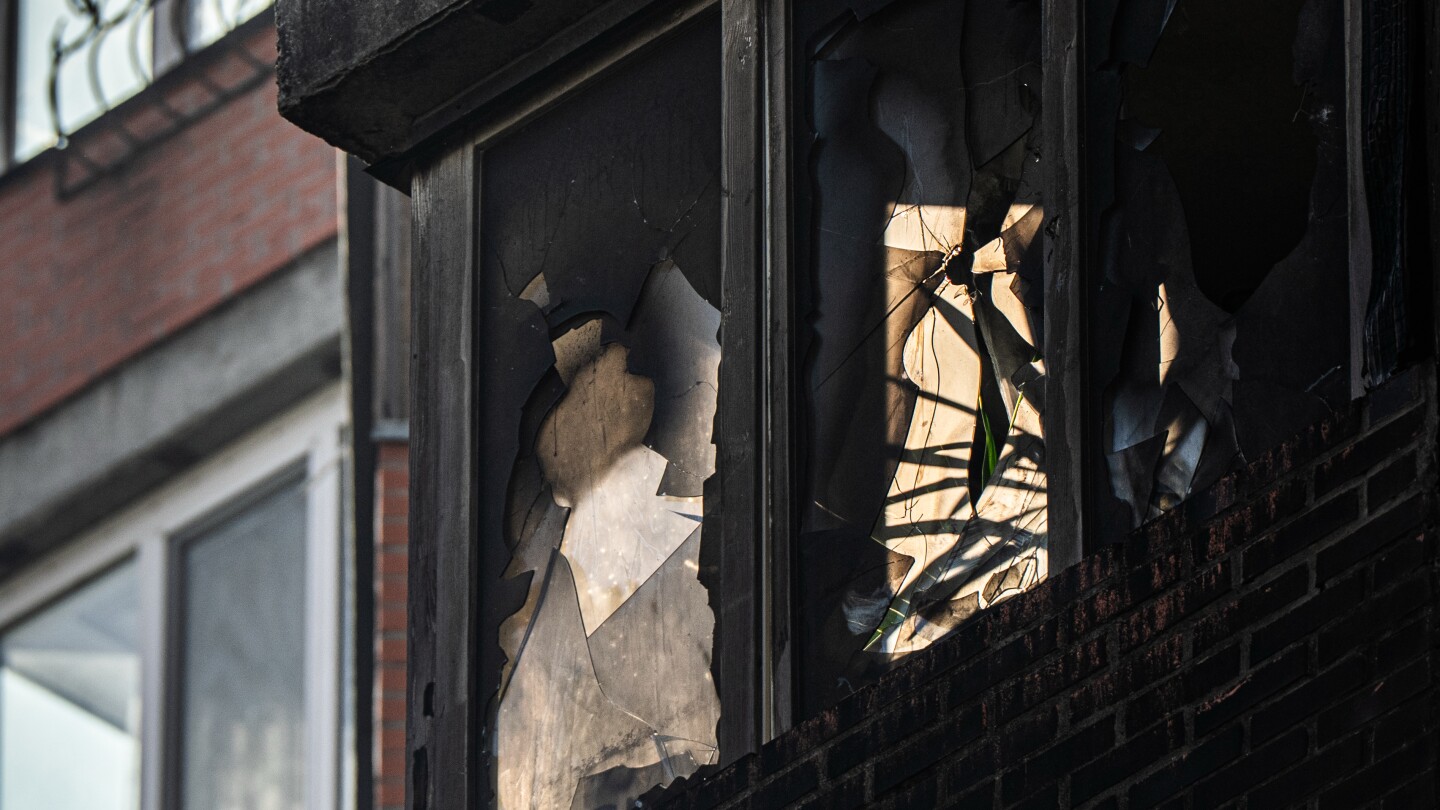
In a devastating escalation of the ongoing conflict, Russia launched a massive drone and missile attack across Ukraine, resulting in the deaths of at least six individuals, including a mother and her two young daughters. The assault, which spanned the night and extended into Wednesday morning, targeted multiple Ukrainian cities, including a village in the Kyiv region where a strike ignited a house, tragically claiming the lives of the family. Regional head Mykola Kalashnyk confirmed the incident, while authorities reported at least 18 injuries in Kyiv alone. The attack also severely damaged Ukraine’s energy infrastructure, causing widespread blackouts as Russia intensifies efforts to disrupt the country’s power grid ahead of the harsh winter season. Amid these developments, U.S.-led initiatives to broker peace have faltered, with President Donald Trump expressing frustration over Russian President Vladimir Putin’s unwillingness to compromise. Ukrainian President Volodymyr Zelenskyy has called for increased military support and international pressure on Russia, emphasizing the need for sanctions, advanced missile capabilities, and coordinated diplomacy. Zelenskyy is set to engage in a week of intense diplomatic efforts, including meetings with Swedish Prime Minister Ulf Kristersson and participation in international summits aimed at bolstering support for Ukraine. Meanwhile, Ukraine’s military reported striking a critical Russian chemical plant in the Bryansk region using British-made Storm Shadow missiles, further escalating the conflict. The international community continues to monitor the situation closely as the war shows no signs of abating.
-
Top UN court to rule on Israel’s obligations to ensure humanitarian aid reaches Palestinians
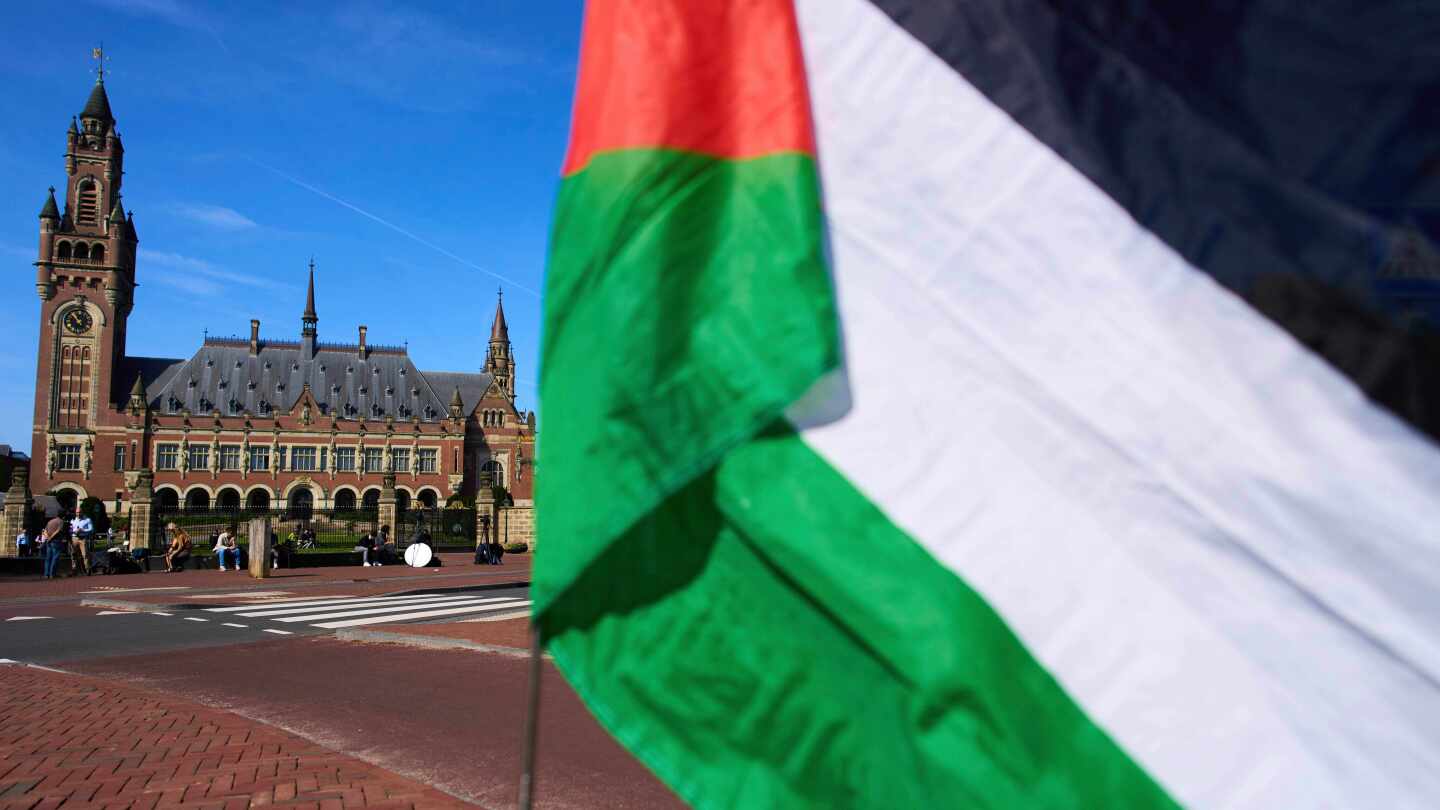
The International Court of Justice (ICJ) in The Hague is poised to deliver a crucial advisory opinion on Wednesday regarding Israel’s legal responsibilities to ensure the delivery of urgently needed humanitarian aid to Palestinians in Gaza and the occupied West Bank. This ruling comes in response to a request from the U.N. General Assembly, made last year, following Israel’s decision to effectively ban the U.N. agency for Palestinian refugees (UNRWA) from operating in Gaza. UNRWA has been the primary provider of aid in the region. While advisory opinions are nonbinding, they carry significant legal weight and could have far-reaching implications for the U.N. and its global missions. The proceedings, which began in April, predate the fragile U.S.-brokered ceasefire that took effect on October 10, aimed at ending the two-year conflict in Gaza. Despite the ceasefire, tensions flared earlier this week after Israeli forces launched deadly strikes, citing the killing of two soldiers by Hamas militants. Under the ceasefire agreement, Israel is required to allow 600 humanitarian aid trucks into Gaza daily. The U.N. has announced plans to increase aid shipments, and Hamas has acknowledged Israel’s compliance with the agreement. However, Palestinian Ambassador Ammar Hijazi accused Israel of “starving, killing, and displacing Palestinians” while obstructing humanitarian efforts. Israel has denied these allegations, calling the proceedings biased, and did not attend the hearings, though it submitted a 38-page written response. The ICJ’s opinion could reinforce the principle that states cannot selectively restrict U.N. operations, according to international law experts. This case follows previous ICJ rulings critical of Israeli policies, including the West Bank separation barrier and the occupation of Palestinian territories. The advisory opinion is separate from South Africa’s ongoing case accusing Israel of genocide in Gaza, which Israel vehemently denies. The conflict, triggered by Hamas’ October 7 attack on southern Israel, has resulted in significant casualties, with Gaza’s Health Ministry reporting over 68,000 deaths, a figure disputed by Israel.
-
UK deploys small number of military officers to Israel following US request
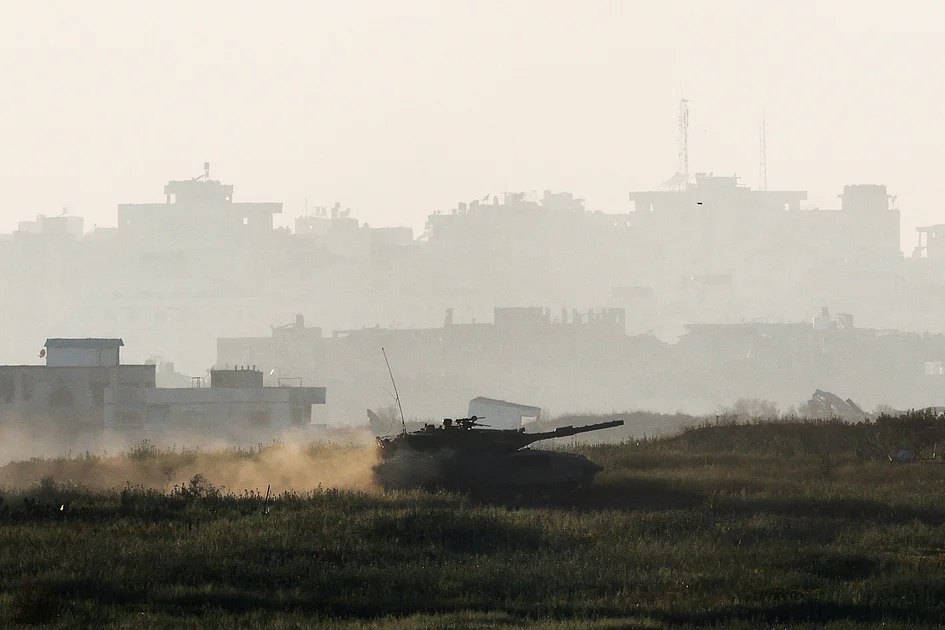
In a strategic move to bolster stabilization efforts in Gaza, the United Kingdom has dispatched a small contingent of military planning officers to Israel. This deployment comes at the request of the United States, which is spearheading a multinational task force aimed at ensuring security in the region. The initiative, known as the Civil-Military Coordination Centre (CMCC), seeks to stabilize the fragile truce between Israel and Hamas while advancing a 20-point ceasefire plan proposed by US President Donald Trump.
The CMCC, still in its formative stages, has yet to finalize key details such as its composition, operational roles, chain of command, and legal framework. The US has committed up to 200 troops to support the force, though they will not be directly deployed in Gaza. Additionally, the US is engaging with other nations, including Indonesia, the UAE, Egypt, Qatar, Turkey, and Azerbaijan, to contribute to the effort.
A spokesperson for the UK Ministry of Defence confirmed that a ‘small number of UK planning officers’ have been embedded within the CMCC, including a two-star deputy commander. The deployment underscores the UK’s commitment to supporting US-led planning for post-conflict stability in Gaza. ‘The UK continues to work with international partners to support the Gaza ceasefire and contribute to the peace process,’ the spokesperson stated.
British Defence Minister John Healey emphasized that the UK brings ‘specialist experience and skills’ to the table, though it will not lead the initiative. He confirmed that the deployment was made in direct response to a US request, highlighting the collaborative nature of the effort. This move reflects the UK’s ongoing engagement in international peacekeeping and its alignment with US strategic objectives in the Middle East.
-

Louvre jewel heist: Stolen items valued at $102 million, says French prosecutor
In a daring daylight robbery at the Louvre Museum in Paris, thieves made off with priceless royal jewels valued at $102 million, according to French prosecutor Laure Beccuau. The heist, which lasted just seven minutes, involved four individuals who used an extendable ladder to break into the museum’s Apollo Gallery. Authorities are currently analyzing fingerprints and reviewing surveillance footage to track down the culprits, believed to be part of an organized crime group. The stolen items include an emerald-and-diamond necklace gifted by Napoleon I to his wife, Empress Marie-Louise, and a diamond-studded diadem once owned by Empress Eugenie. The incident has reignited concerns over the security of France’s cultural institutions, following similar thefts in recent months. Louvre officials defended their security measures, stating that the display cases, installed in 2019, represented a significant upgrade. Meanwhile, Interior Minister Laurent Nunez has pledged to enhance security around cultural sites. The museum remained closed on Tuesday, leaving tourists disappointed.
-
Viral video of West Bank settler attack sparks outrage and accusations of US hypocrisy
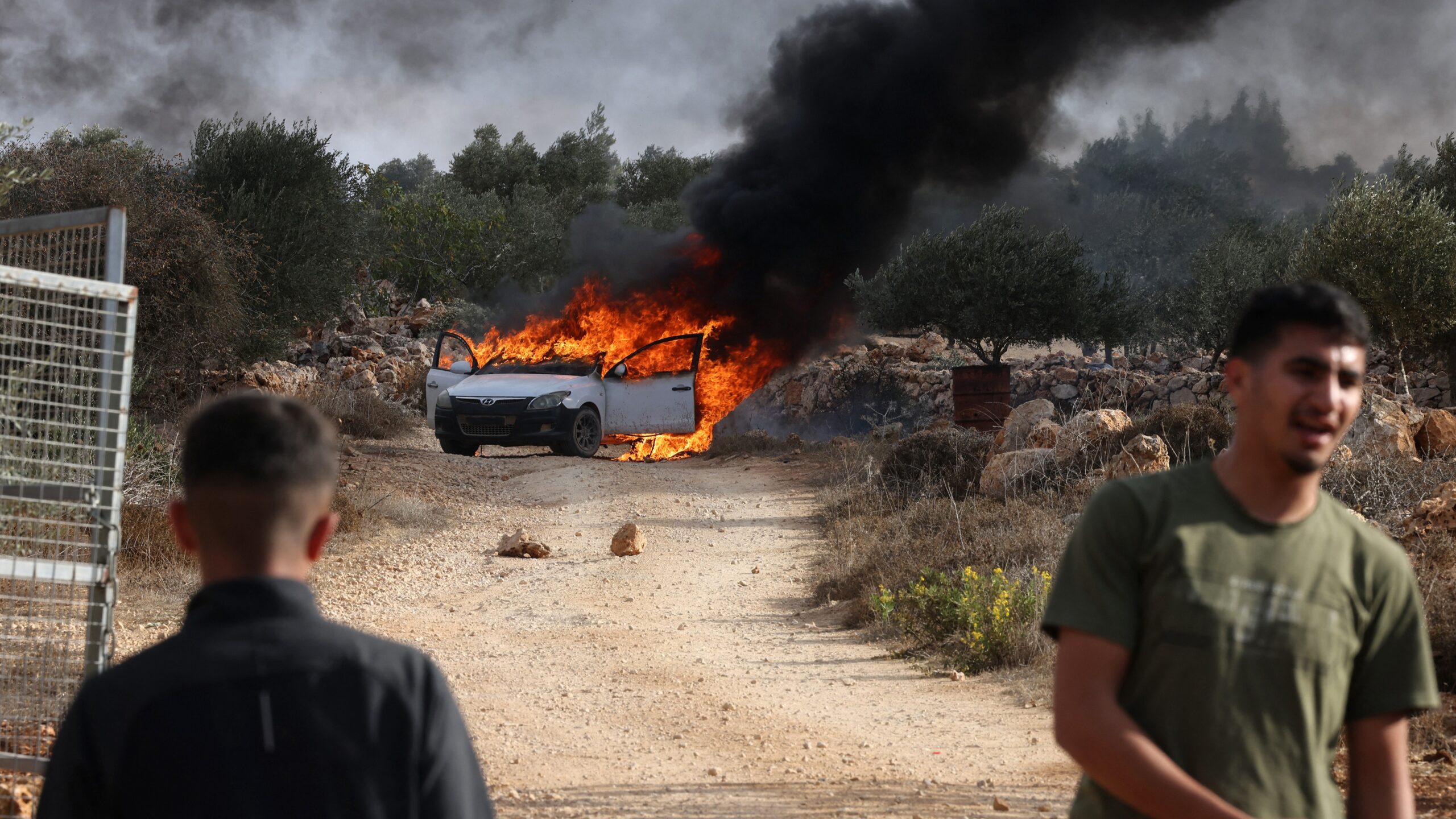
American journalist Jasper Nathaniel has publicly criticized the US embassy in Israel for failing to protect him after he was targeted by Israeli settlers while reporting in the occupied West Bank. Nathaniel described the incident as an ambush, which occurred during his coverage of the olive harvest in Turmus Ayya, northeast of Ramallah. The attack, which left dozens injured, including an elderly Palestinian woman and international activists, was captured on video and has sparked widespread outrage online. Nathaniel’s posts on X (formerly Twitter) have drawn attention to the escalating violence by Israeli settlers, with the United Nations recording 71 incidents of settler violence against Palestinians in just seven days. Despite being escorted by the Israeli military, Palestinian farmers were reportedly led into an ambush, raising questions about the military’s role in these attacks. Nathaniel’s text exchange with the US embassy revealed that the embassy declined to intervene, citing Israel’s responsibility as the host nation. The incident has intensified scrutiny of the US embassy’s role in the region and highlighted the ongoing violence faced by Palestinians under occupation. Social media users have condemned the lack of international attention to these attacks, with many pointing out the disparity in media coverage when Palestinians are the victims. The incident underscores the broader issue of settler violence and the challenges faced by journalists and activists in the region.
-
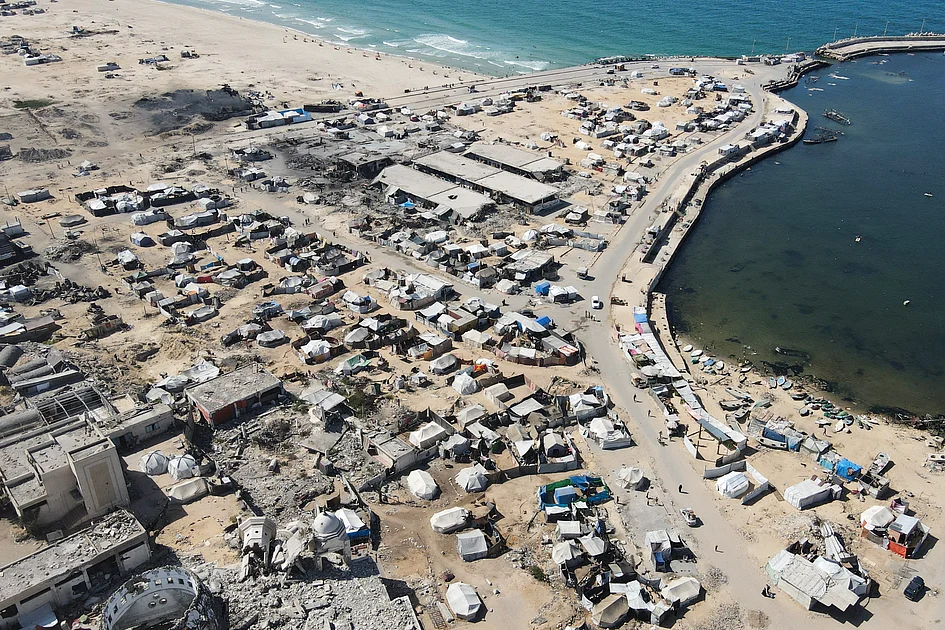
Hamas says dealt ‘severe blow’ to group it says collaborated with Israel
The Palestinian movement Hamas announced on Tuesday that its newly established Radea security unit had successfully targeted and dismantled an armed group accused of collaborating with Israel in the Gaza Strip. The operation, carried out in the early hours of Tuesday morning in southern Gaza, focused on the militia led by Yasser Abu Shabab, a fugitive leader whose group Hamas alleges has been involved in subversive activities. According to a statement released by Hamas, the Radea unit arrested several members of Abu Shabab’s Popular Forces and seized military equipment used in their operations. The Radea unit, whose name translates to ‘deterrence,’ was recently created by Hamas with the stated purpose of enforcing order and combating treasonous activities. This recent operation follows clashes last week in Gaza City’s Shujaiya neighborhood between the Radea force and various armed groups, including Abu Shabab’s militia, which Hamas accuses of looting and receiving weapons from Israel. Abu Shabab’s group initially operated in Gaza’s southern Rafah governorate and has been accused of aid looting. In July, Abu Shabab claimed his group had the freedom to operate in areas under Israeli military control and communicated their activities in advance. Israeli authorities acknowledged in June that they had armed Palestinian groups opposed to Hamas, though they did not specifically name Abu Shabab’s militia. The recent operation is part of Hamas’ broader efforts to reassert control over Gaza following the October 10 ceasefire agreement with Israel. Last week, Hamas’ official television channel broadcast footage of the execution of eight alleged collaborators in Gaza City, further underscoring its efforts to eliminate perceived threats. Israeli Prime Minister Benjamin Netanyahu reiterated on Saturday that the war in Gaza would not end until Hamas disarms, as stipulated in the US-brokered ceasefire deal. Hamas has yet to directly address the disarmament issue since US President Donald Trump presented the plan two weeks ago.
-

Dozens of Israeli soldiers identified in ICC complaint on killing of Hind Rajab
The Hind Rajab Foundation (HRF) has escalated its pursuit of justice by identifying an additional two dozen Israeli soldiers allegedly involved in the death of Hind Rajab, a five-year-old Palestinian girl killed during Israel’s military operations in Gaza. The foundation is referring these soldiers to the International Criminal Court (ICC) for their roles in what it describes as war crimes, crimes against humanity, and genocide. Among those named are three high-ranking commanders: Colonel Beni Aharon, Lieutenant Colonel Daniel Ella, and Major Sean Glass, with Ella and Glass believed to have directly overseen the killings. The HRF plans to progressively disclose the identities of 22 other soldiers as it files national-level complaints in various jurisdictions. The foundation’s efforts follow the release of an hour-long documentary on Al Jazeera Arabic, which highlighted the case. HRF has submitted a 120-page Article 15 filing to the ICC, supported by digital, satellite, and forensic evidence, alleging that Israeli forces knowingly targeted Hind and her family, as well as the ambulance sent to rescue her. The HRF’s legal team asserts that these actions violate Articles 6, 7, and 8 of the Rome Statute. The foundation has also initiated a criminal case in Argentina against Itay Cukierkopf, a tank crew member named in its ICC complaint. HRF’s strategy includes leveraging social media posts by Israeli soldiers boasting of their operations in Gaza as evidence in its global legal campaign. By early 2025, the foundation had amassed over 8,000 pieces of evidence related to alleged war crimes. HRF President Dyab Abou Jahjah emphasized the foundation’s commitment to holding war criminals accountable, stating, ‘We are going after war criminals wherever they go.’ Hind Rajab’s death on January 29, 2024, has become emblematic of the broader violations of international humanitarian law committed by Israeli forces. An investigation revealed that Hind and her family were struck by 335 bullets as they attempted to flee northern Gaza. Hind’s final phone call, in which she pleaded for help, has since been released, capturing global attention. A feature film about her ordeal is expected to compete for an Oscar next year. The ongoing conflict in Gaza has claimed over 67,000 Palestinian lives.
-
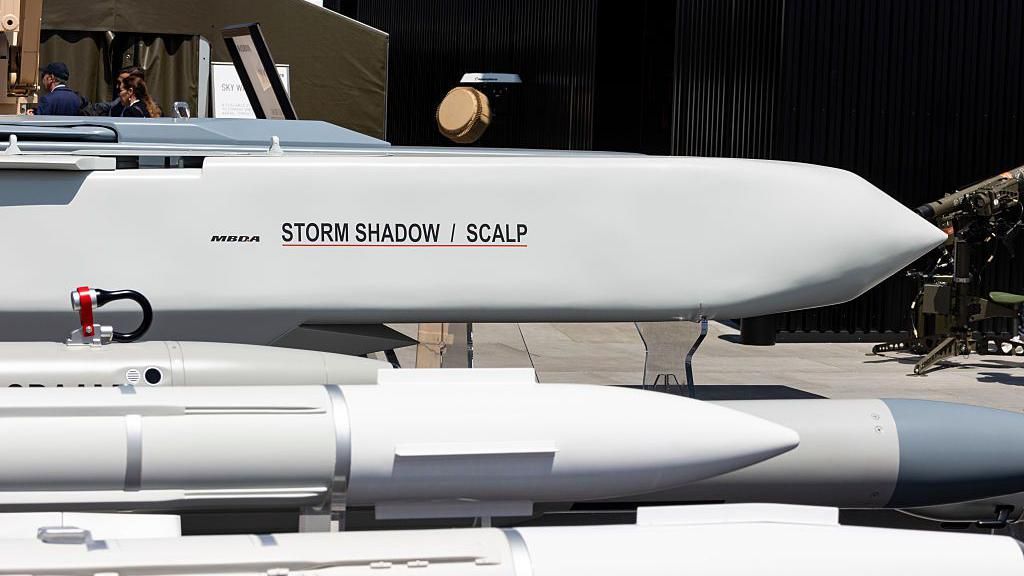
Ukraine hits Russian chemical plant with UK-made Storm Shadow missiles
In a significant escalation of the ongoing conflict, Ukraine has successfully targeted a Russian chemical plant using UK-supplied Storm Shadow missiles, according to a statement from the Ukrainian military on Tuesday. The strike, described as a ‘successful hit,’ reportedly breached Russian air defenses, marking a critical development in Ukraine’s efforts to disrupt Moscow’s military-industrial capabilities. The Bryansk Chemical Plant, identified as a key facility producing gunpowder, explosives, and rocket fuel components, was the focus of this ‘massive combined missile and air strike.’ The Ukrainian military emphasized the plant’s role in supplying materials for ammunition and missiles used against Ukrainian territory. While Moscow has yet to comment on the attack, the strike underscores Kyiv’s determination to target strategic Russian assets despite Kremlin warnings against Western military aid. The attack coincided with a joint statement from UK Prime Minister Sir Keir Starmer and other European leaders, pledging to intensify economic and defense industry pressure on Russia until President Vladimir Putin agrees to peace negotiations. Meanwhile, tensions remain high as Russia launched an overnight air attack on Kyiv, with witnesses reporting explosions consistent with air defense operations. The latest developments follow a recent meeting between former US President Donald Trump and Ukrainian President Volodymyr Zelensky, during which Trump expressed reluctance to supply Tomahawk cruise missiles to Ukraine. Trump’s proposed talks with Putin in Budapest were also postponed, citing concerns over a ‘wasted meeting.’ As the war continues, Russia currently controls approximately 20% of Ukrainian territory, including Crimea, annexed in 2014.
-
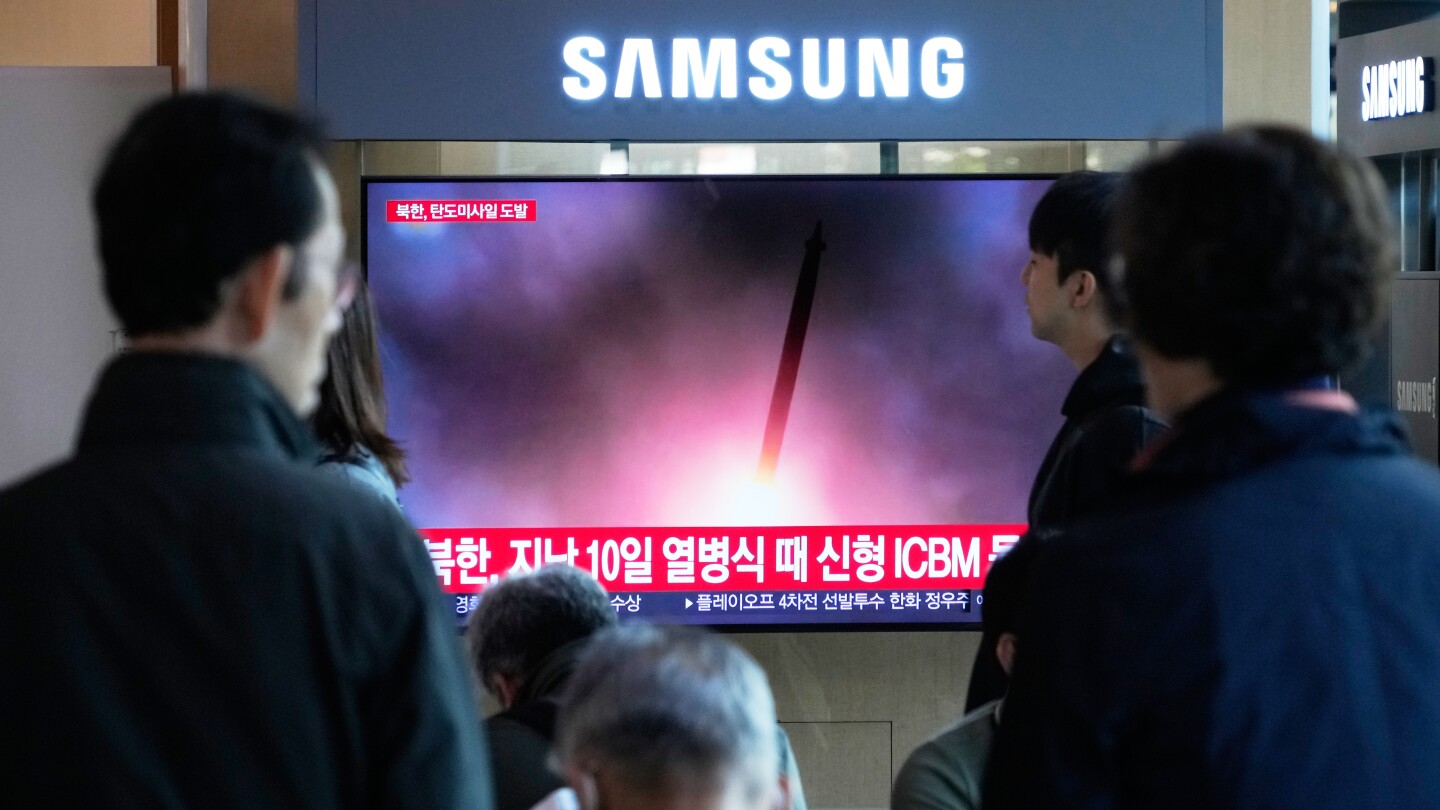
North Korea has fired ballistic missiles toward the east, Seoul says
North Korea has resumed its ballistic missile testing activities after a five-month hiatus, launching multiple suspected short-range missiles on Wednesday. The missiles were fired from a location south of Pyongyang, the North Korean capital, according to South Korea’s Joint Chiefs of Staff. While the exact trajectory and landing points remain undisclosed, the launches were directed northeastward, raising regional tensions just days before the Asia-Pacific Economic Cooperation (APEC) summit in South Korea. The APEC summit, scheduled for October 30 to November 1, focuses on economic integration and trade, with no military agenda. However, North Korea’s actions have drawn significant attention, as experts suggest the tests may be a strategic move to assert its nuclear capabilities and demand international recognition as a nuclear weapons state. South Korea has heightened its surveillance and is collaborating closely with the U.S. and Japan to monitor the situation. Japan’s Prime Minister Sanae Takaichi confirmed that the missiles did not enter Japan’s territorial waters or exclusive economic zone. This marks the first ballistic missile test since South Korean President Lee Jae Myung took office in June, pledging to restore peace on the Korean Peninsula. North Korean leader Kim Jong Un has intensified weapons development since his nuclear diplomacy with former U.S. President Donald Trump collapsed in 2019. Despite recent hints at resuming talks, Kim’s display of a new intercontinental ballistic missile (ICBM) at a military parade earlier this month underscores his commitment to expanding North Korea’s nuclear arsenal. The Hwasong-20 ICBM, described as the country’s most powerful nuclear weapon system, could be test-launched in the coming months, further escalating tensions in the region.