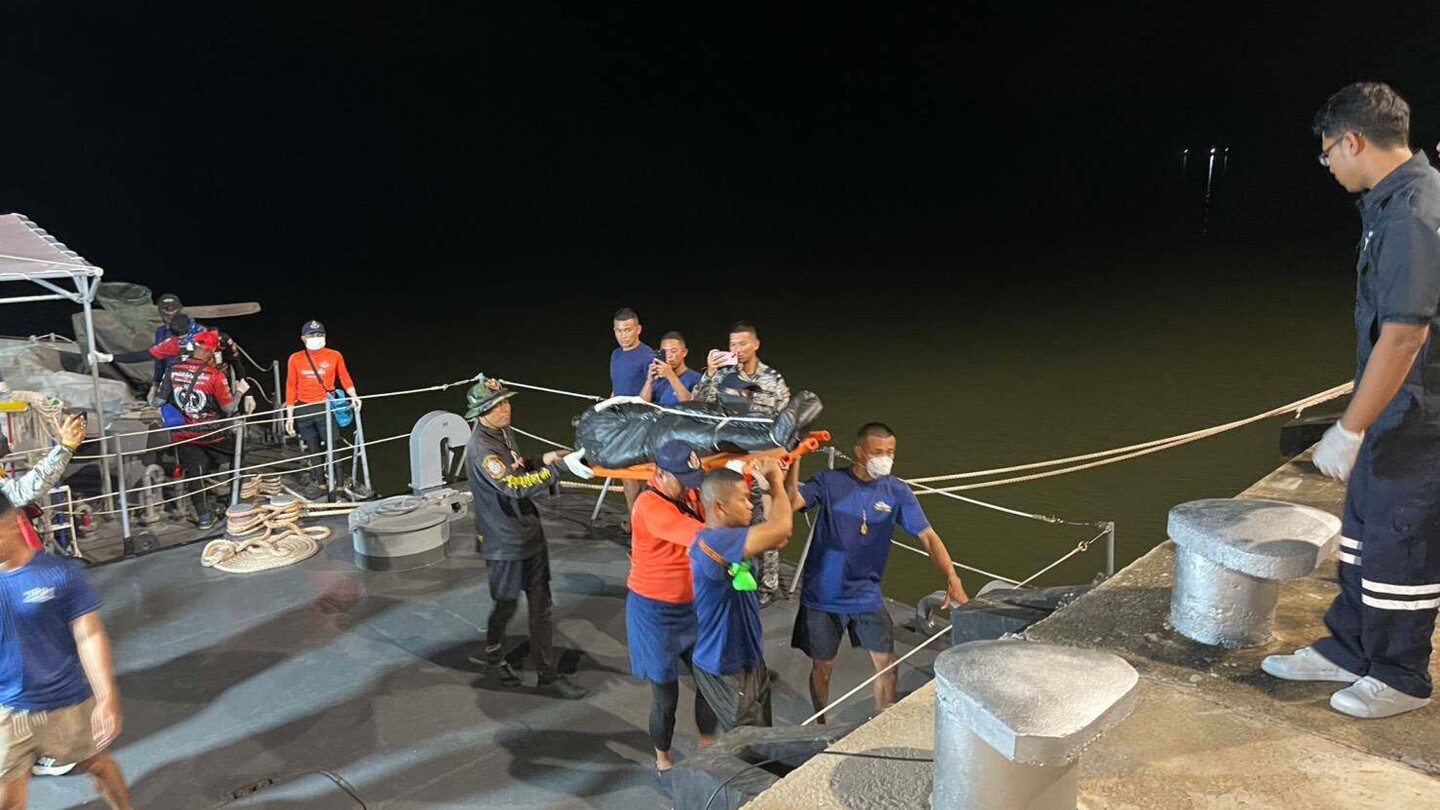
In a tragic turn of events, Malaysian rescuers have recovered five more bodies from the waters off northern Langkawi island, bringing the death toll to 12 after a boat carrying migrants from Myanmar capsized last week. The bodies, including those of two men, two women, and a boy, were found near the Thailand border, according to the Malaysian Maritime Enforcement Agency. First Admiral Romli Mustafa stated that approximately 70 people were on board the ill-fated vessel, based on survivors’ accounts. So far, 13 individuals have been rescued, leaving dozens still unaccounted for. Officials revealed that the migrants were part of a larger group of around 300 people who departed from Buthidaung in Myanmar’s Rakhine state. Upon nearing Malaysia, the passengers were reportedly divided into three smaller boats, one of which sank near Tarutao island in southern Thailand last Thursday. The exact timing and location of the incident remain unclear, and the fate of the other two boats is still unknown. Malaysian rescuers, aided by air surveillance, expanded their search area on Monday and will continue their efforts on Tuesday. Authorities have identified some of the survivors as Rohingya Muslims, a persecuted minority in Myanmar. Malaysia, with its predominantly Malay Muslim population, has historically been a destination for Rohingya seeking refuge. However, the country has recently tightened its borders, turning away boats carrying refugees to prevent a mass influx. Currently, around 117,670 Rohingya are registered with the U.N.’s refugee agency in Malaysia, constituting 59% of the country’s total refugee population.
分类: world
-
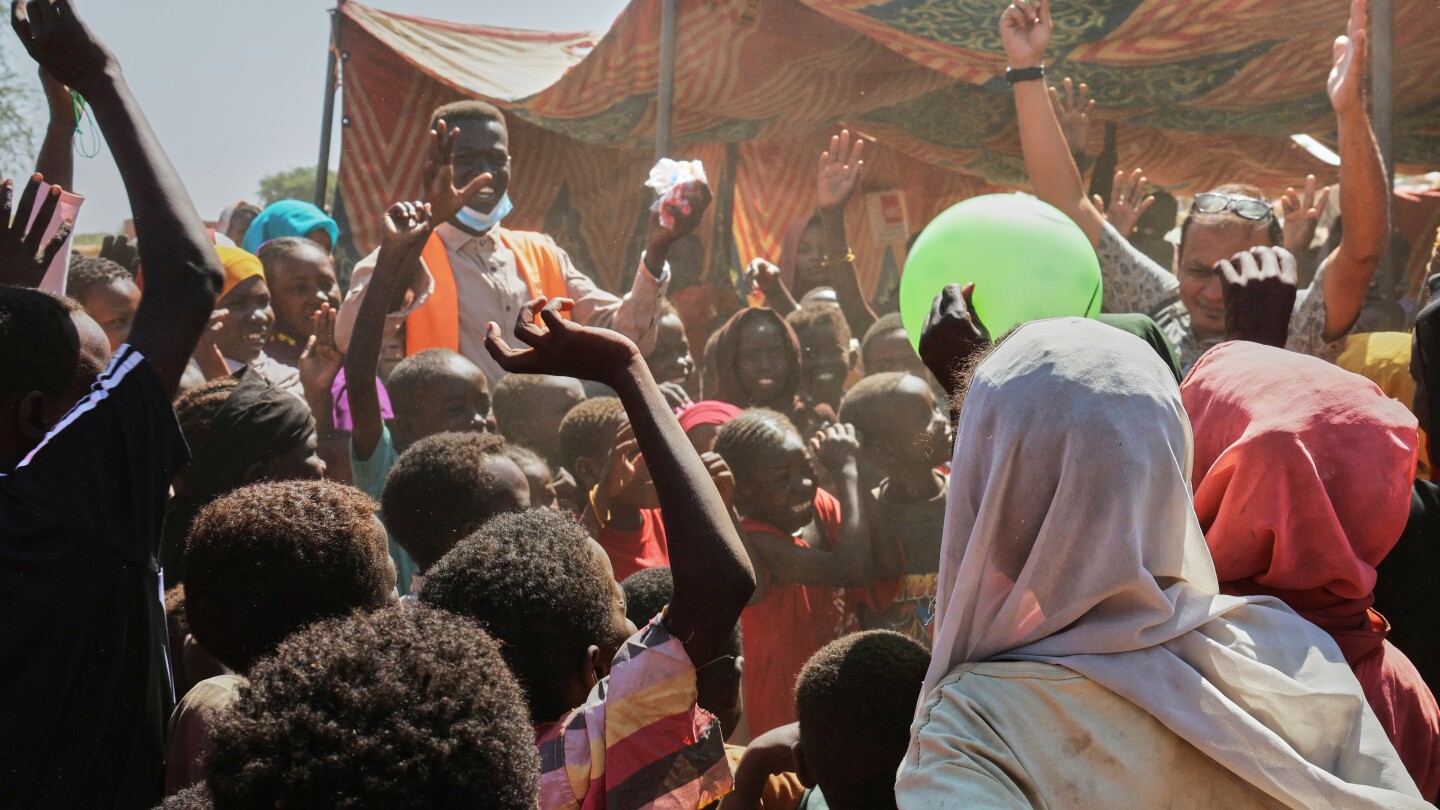
Intense fighting in central Sudan displaces 2,000 people in just days, a UN agency says
The ongoing civil war in Sudan has intensified, with recent clashes in central regions displacing approximately 2,000 people over the past three days, according to the United Nations’ International Organization for Migration (IOM). The conflict, which has ravaged the nation for over two years, has claimed tens of thousands of lives and displaced millions. The latest wave of displacement occurred in the Bara area of North Kordofan province, where residents fled escalating violence between the Sudanese army and the paramilitary Rapid Support Forces (RSF). Kordofan and Darfur have emerged as the epicenters of the conflict, with the RSF recently capturing the strategic city of el-Fasher in Darfur, resulting in hundreds of deaths and forcing tens of thousands into overcrowded camps. Reports from aid groups and UN officials highlight atrocities committed by the RSF, including mass killings and the destruction of evidence. The war, which began in 2023 following a breakdown in relations between the military and RSF, has displaced 12 million people and killed at least 40,000, though aid organizations suggest the actual death toll is significantly higher. In late October, RSF attacks in Bara killed at least 47 civilians, including women and children. Meanwhile, the RSF has reportedly advanced into Babanusa in West Kordofan, prompting further displacement. Satellite images analyzed by the Yale School of Public Health’s Humanitarian Research Lab suggest the RSF has been burning bodies in el-Fasher to conceal evidence of their crimes. The humanitarian crisis continues to deepen, with no end to the conflict in sight.
-
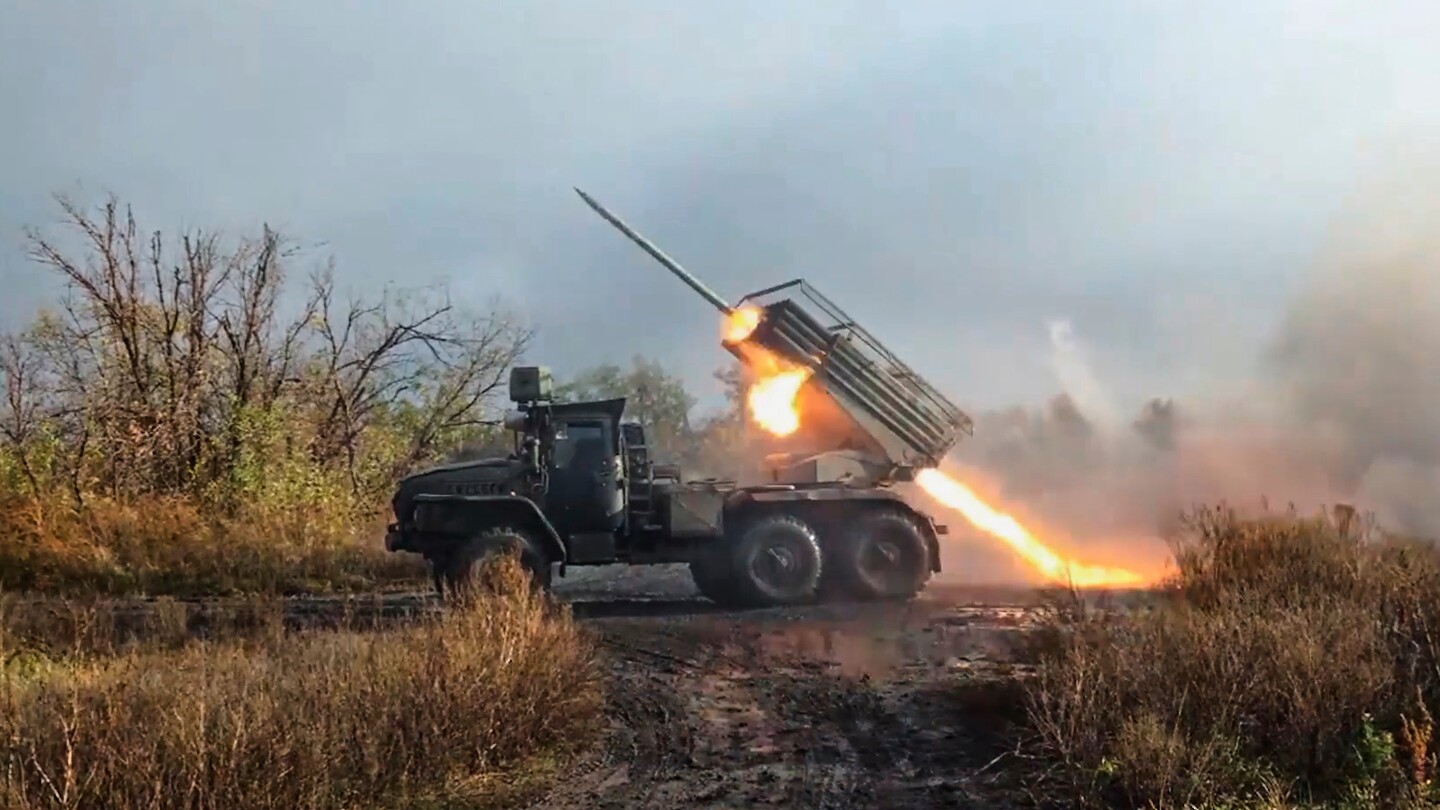
Zelenskyy seeks Patriot systems from US to counter Russia’s power grid attacks
Ukrainian President Volodymyr Zelenskyy announced on Monday his intention to request 25 Patriot air defense systems from the United States, as Ukraine grapples with relentless Russian aerial assaults that have plunged the nation into rolling blackouts on the cusp of winter. Zelenskyy acknowledged the high cost and lengthy production timeline for such a large order but suggested that European nations could temporarily transfer their existing systems to Ukraine while awaiting replacements. He emphasized the urgency, stating, “We would not like to wait.”
Russia’s intensified missile and drone strikes on Ukraine’s power grid have coincided with its military push to capture the eastern city of Pokrovsk. Despite recent deliveries of Patriot systems from Germany, Ukraine’s air defenses remain critically stretched, leaving vast territories vulnerable. The energy crisis has heightened concerns over heating and water supply during the harsh winter months.
NATO continues to coordinate large-scale weapons deliveries to Ukraine, with European allies and Canada procuring much of the equipment from the U.S. However, the Trump administration has not provided arms to Ukraine, a departure from the Biden administration’s policy.
Russian attacks on Ukraine’s energy infrastructure have grown increasingly effective, employing hundreds of drones equipped with cameras for precision targeting. This year, Russia has shifted its strategy to strike local switchyards and substations rather than the centralized national grid. Ukraine’s Energy Ministry reported significant damage to power infrastructure, prompting scheduled blackouts across most regions and urging citizens to conserve electricity during peak hours.
Meanwhile, the battle for control of Pokrovsk in the Donetsk region intensifies, with Zelenskyy noting that Russia has amassed 170,000 troops for a renewed offensive. While recent days have seen a relative lull in fighting, the Institute for the Study of War predicts an escalation as Russian forces reinforce their positions.
-

Malian TikToker killed by suspected jihadists after pro-army posts
The brutal execution of Mariam Cissé, a young TikTok influencer from Mali, has sent shockwaves across the nation as the country grapples with a deepening jihadist insurgency. Cissé, in her 20s and boasting over 100,000 followers on TikTok, was known for her videos showcasing life in her hometown of Tonka in the northern Timbuktu region. She often expressed support for the Malian army, a stance that reportedly led to her tragic demise. According to reports, she was seized by suspected jihadists while live-streaming from a market in a neighboring town and later executed in Tonka’s Independence Square. Her brother, who witnessed the horrific event, revealed that she had been accused of aiding the army by revealing jihadist movements. Cissé’s death has intensified concerns over Mali’s deteriorating security situation, exacerbated by a fuel blockade imposed by jihadist groups. The blockade has severely disrupted daily life, forcing schools and universities to remain closed for weeks. The African Union has expressed deep concern over the crisis, condemning the attacks on civilians and pledging support for Mali and other Sahel nations. The military junta, which seized power in 2021, has struggled to contain the insurgency, with large swathes of the country still outside government control. The French foreign ministry has advised its citizens to leave Mali immediately, highlighting the escalating humanitarian and security challenges.
-

Super Typhoon Fung-wong leaves 2 dead in Philippines
Super Typhoon Fung-wong wreaked havoc in the Philippines, claiming at least two lives and displacing over a million residents as it approached the northeastern coast on Sunday. The typhoon, with a massive 1,800-kilometer-wide rain and wind band, threatened to engulf two-thirds of the Southeast Asian archipelago, according to meteorological forecasts. This disaster comes as the nation is still recovering from the aftermath of Typhoon Kalmaegi, which left 224 dead earlier in the week. President Ferdinand Marcos Jr. declared a state of emergency in response to the dual crises. Fung-wong, packing winds of up to 185 km/h and gusts reaching 230 km/h, was expected to make landfall in Aurora or Isabela provinces by late Sunday or early Monday. Authorities have evacuated residents from high-risk areas, particularly in the Bicol region, known for its vulnerability to cyclones and volcanic mudflows. The storm has led to widespread disruptions, including the cancellation of hundreds of flights and the stranding of thousands at seaports. Defense Secretary Gilberto Teodoro Jr. emphasized the potential catastrophic impact of the typhoon, urging residents to heed evacuation orders. Despite these warnings, some residents remained in their homes, requiring emergency rescues. The Philippines, no stranger to extreme weather, continues to face significant challenges in disaster preparedness and response.
-
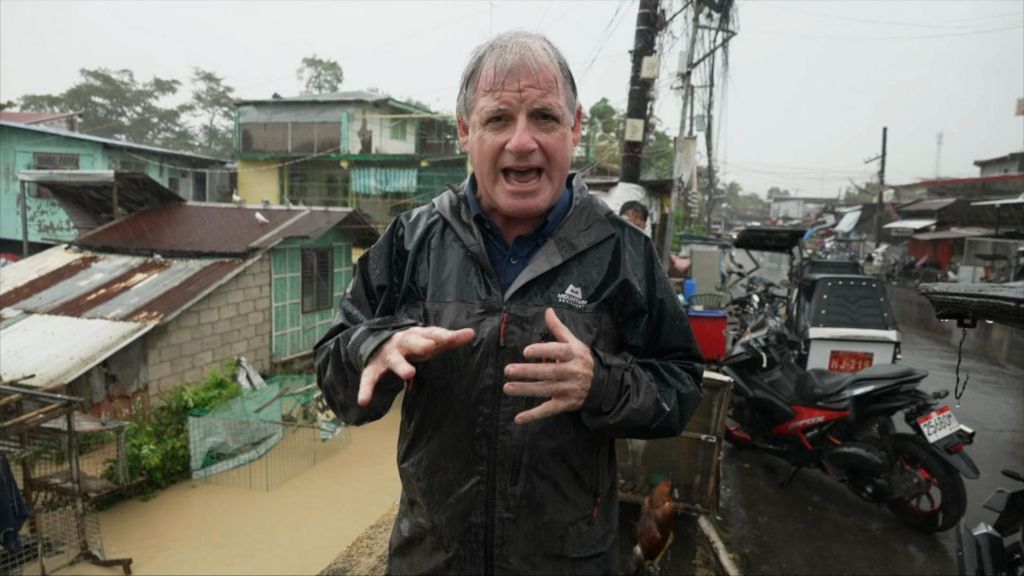
Philippines typhoon aftermath: ‘Water levels are rising fast’
As Typhoon Fung-wong moves across the South China Sea, its impact continues to be felt in the Philippines, where the storm has already claimed two lives. The typhoon, though weakened, has caused significant flooding, with water levels rising rapidly in affected areas. Local authorities are on high alert, urging residents to remain cautious and prepare for potential further damage. Emergency response teams are working tirelessly to provide aid and assess the extent of the devastation. The storm’s trajectory suggests it may still pose risks to coastal regions, even as it loses strength. The aftermath of Fung-wong highlights the ongoing challenges faced by the Philippines in coping with frequent and severe weather events, exacerbated by climate change.
-
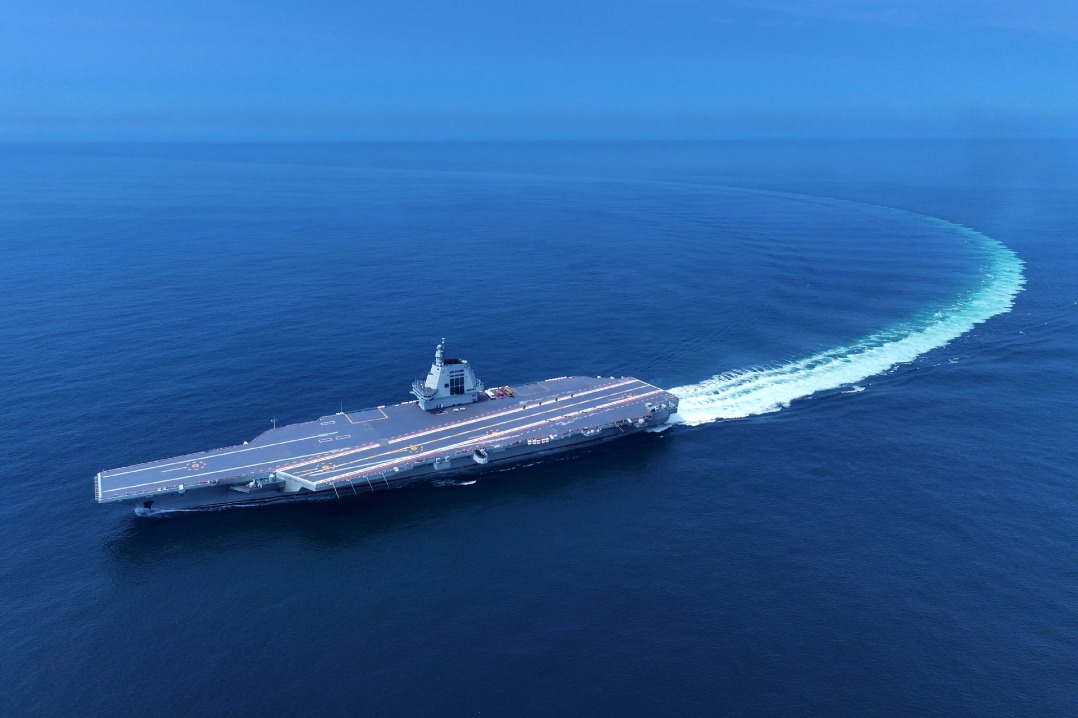
Supercarrier to be put through paces
The CNS Fujian, China’s third aircraft carrier and the world’s largest conventionally powered warship, has commenced rigorous equipment testing and trial runs under the leadership of Senior Captain Chen Zhiguo. Chen emphasized the crew’s commitment to ensuring the vessel’s readiness for full-scale deployment of aircraft squadrons and enhancing joint combat capabilities within the carrier strike group. The Fujian, commissioned on November 8, 2025, at a naval base in Sanya, Hainan province, is the first in the People’s Liberation Army Navy to feature an advanced electromagnetic catapult system. With a displacement exceeding 80,000 metric tons, it represents a significant milestone in naval engineering in the Eastern Hemisphere. Senior Captain Leng Guowei, a Navy spokesperson, highlighted that Sanya will serve as the Fujian’s home base due to strategic and logistical advantages. He also reiterated that China’s military advancements are defensive in nature, aimed at safeguarding national sovereignty and security. An industry expert noted that the Fujian’s commissioning marks China’s entry into the ‘three-carrier club,’ significantly boosting the Navy’s long-range operational capabilities.
-
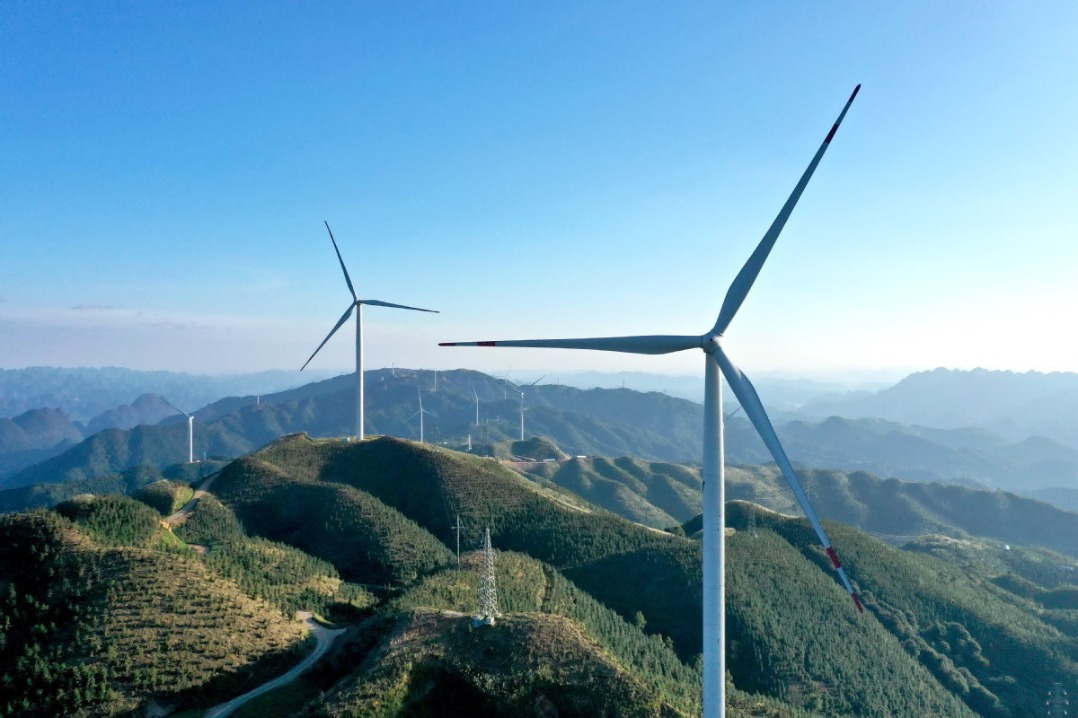
Nation drives global energy transition through green innovation, cooperation
China is playing a pivotal role in driving the global energy transition by fostering green innovation and deepening international cooperation, as outlined in a recently published white paper. Titled ‘Carbon Peaking and Carbon Neutrality: China’s Plans and Solutions,’ the document, released by the State Council Information Office, underscores China’s unwavering commitment to climate multilateralism and its proactive engagement in global climate governance. The white paper highlights China’s efforts to promote green development under the Belt and Road Initiative (BRI) and its advancements in international cooperation on green and low-carbon development. Aligning with the Paris Agreement, China has demonstrated exceptional ambition in its Nationally Determined Contributions (NDCs), taking substantial actions to reduce emissions and adapt to climate impacts. The paper also emphasizes China’s expanding cooperation with BRI partner countries in green infrastructure, energy, and transportation. To date, China has established energy partnerships with 34 BRI countries and collaborated with over 100 nations on green energy projects. Adhering to the principle of ‘common but differentiated responsibilities,’ China has provided financial, technological, and capacity-building support to developing countries. As of October, China has signed 55 memorandums of understanding on South-South climate cooperation with 43 developing nations and conducted over 300 capacity-building sessions. Looking ahead, China is committed to working with the international community to address global climate challenges and promote sustainable development. Lyu Wenbin, director of the Academy of Macroeconomic Research’s Energy Research Institute, emphasized China’s significant contributions to wind and solar energy development, noting that the country supplies over 80% of the world’s photovoltaic modules and approximately 70% of wind power equipment. Over the past decade, China’s efforts have significantly reduced the global levelized cost of electricity for wind and solar power. With a robust clean energy production capacity and a complete new energy industry chain, China is well-positioned to provide high-quality clean energy products and services globally, fostering a secure, stable, and clean energy industry chain.
-
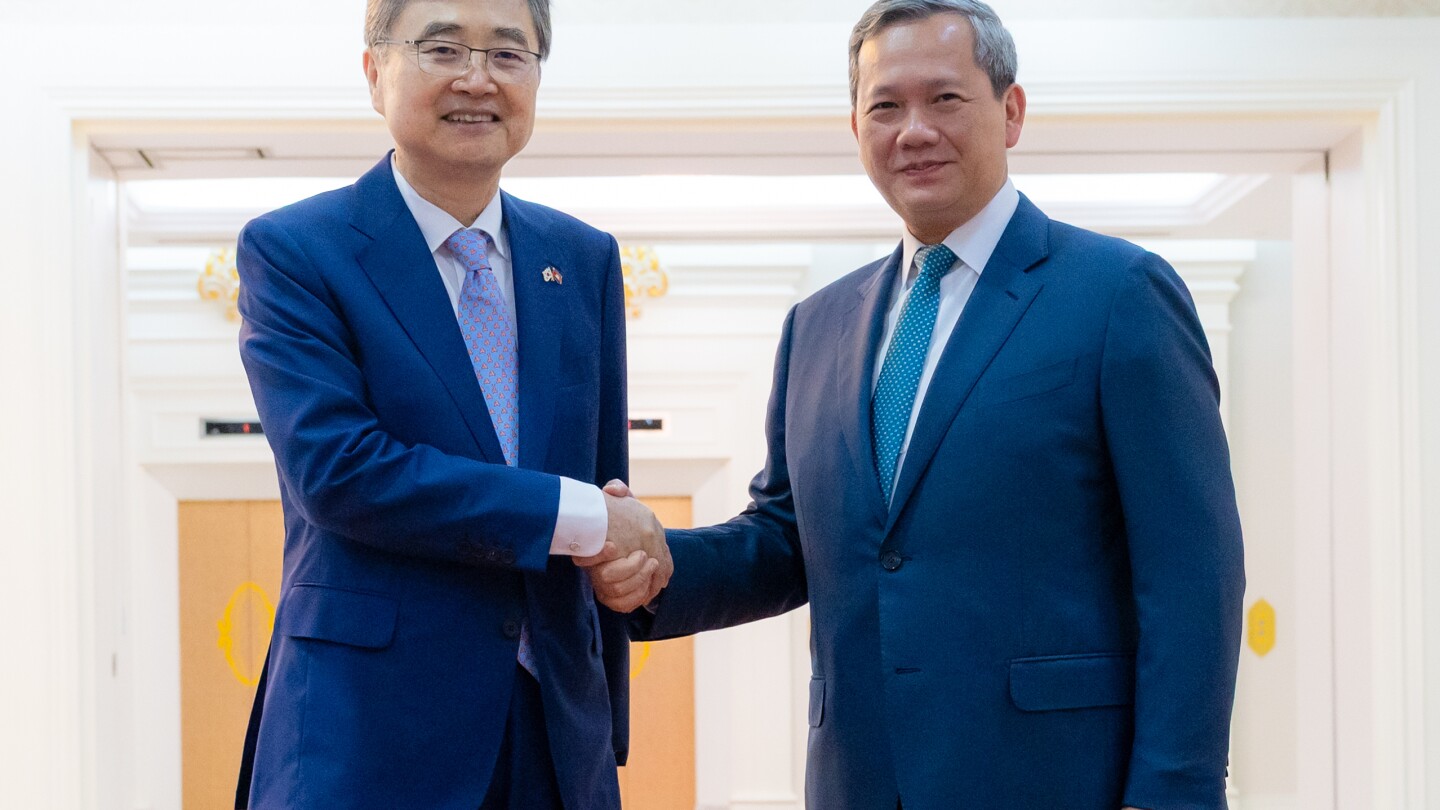
South Korean foreign minister meets Cambodia’s leader to push effort to fight criminal cyberscams
In a significant diplomatic move, South Korea’s Foreign Minister Cho Hyun met with Cambodian Prime Minister Hun Manet in Phnom Penh on Monday to address the escalating issue of large-scale online scam operations in Cambodia. The meeting, which was announced by Hun Manet on social media, focused on enhancing bilateral cooperation to combat these criminal activities, which have recently been linked to the tragic death of a South Korean student. The 22-year-old Park Min-ho was allegedly lured to Cambodia, forced to work in a scam center, and later found brutally tortured and beaten in August. His death has sparked widespread outrage in South Korea, prompting urgent governmental action. The South Korean foreign ministry revealed that discussions included the establishment of a joint police task force to tackle scam-related crimes. Minister Cho is set to conclude his visit on Tuesday. This initiative follows the repatriation of 64 South Koreans last month, 50 of whom were arrested upon arrival for their alleged involvement in online fraud. The United Nations estimates that international cybercriminals generate billions annually through these scams, which often involve kidnapping, coercion, and violence. Cambodian scam centers are believed to employ around 200,000 workers, including 1,000 South Koreans, highlighting the scale of the problem.
-
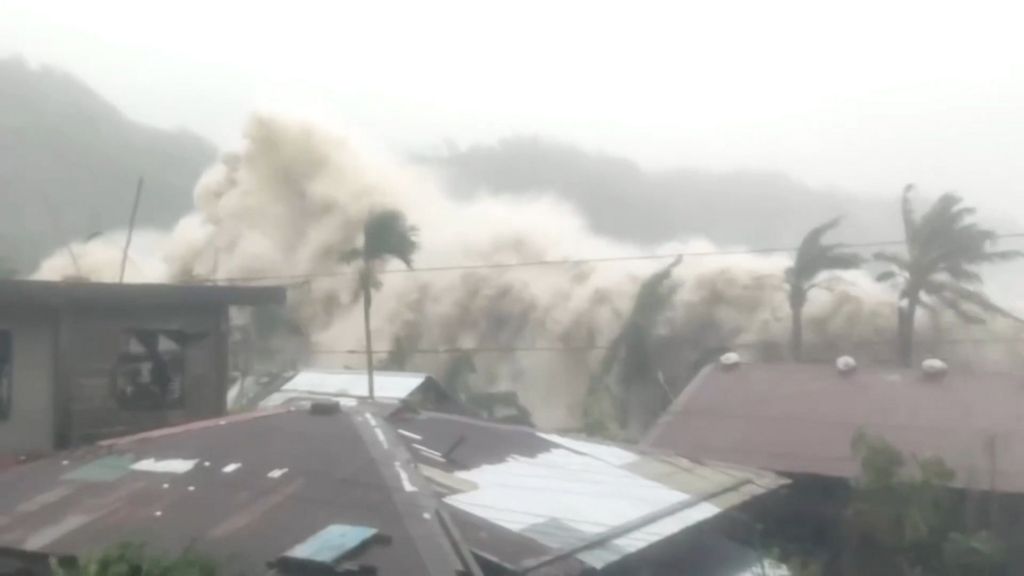
Waves smash Philippines coastline as typhoon hits
On 9 November, Typhoon Fung-wong unleashed its fury on the Philippines, with powerful waves crashing into the coastline and inundating residential areas. Dramatic footage captured the moment when towering swells surged over houses and palm trees, showcasing the sheer force of the storm. The typhoon, known for its intense winds and heavy rainfall, has caused significant damage to infrastructure and displaced numerous families. Local authorities have issued warnings and are coordinating emergency response efforts to assist affected communities. The event highlights the vulnerability of coastal regions to extreme weather conditions, emphasizing the urgent need for robust disaster preparedness and climate resilience strategies.